Colombia

Cumbia, street-art, music, and dance

Cumbia and Local Dances

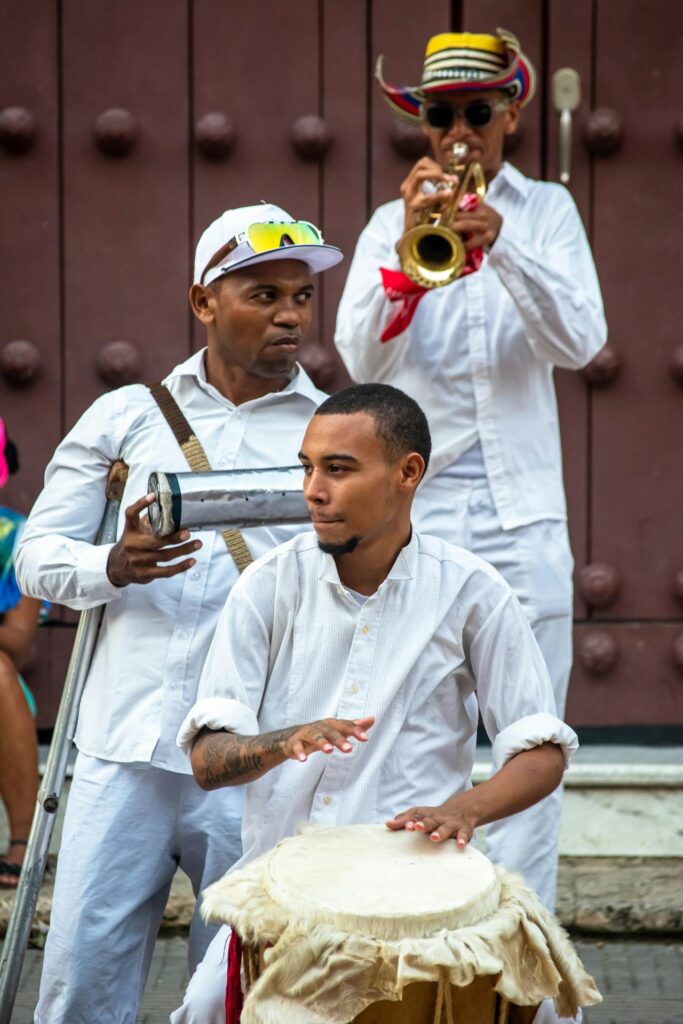
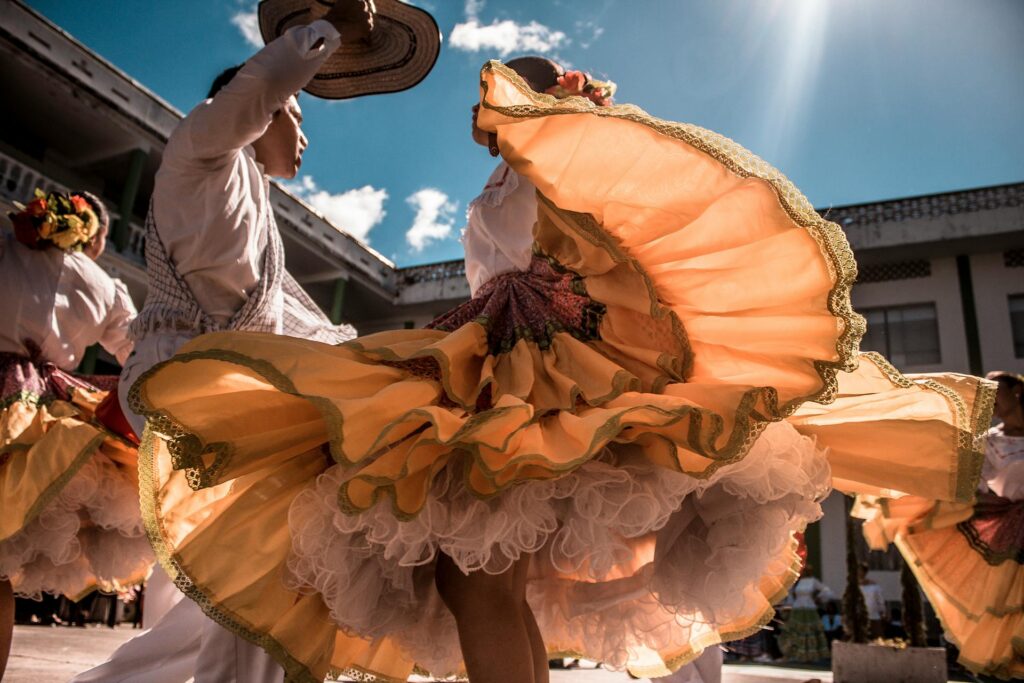
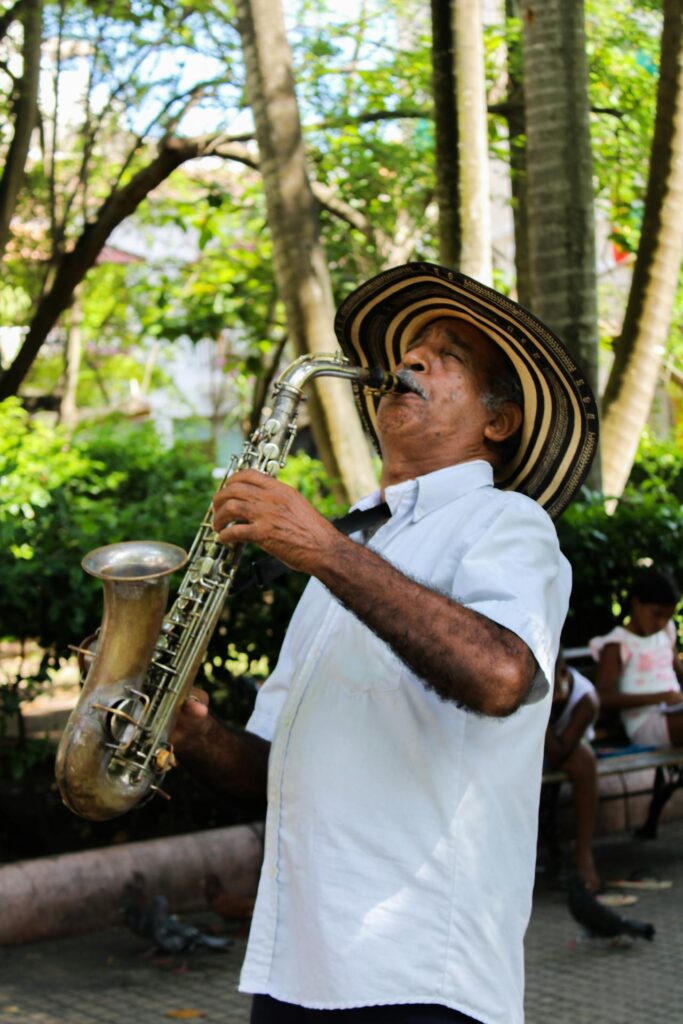
Cumbia is one of the most representative dances of Colombia, coming from cultural crossings between African, indigenous, and European heritages. Originating on the Caribbean coast as a music of celebration and community gathering, it is driven by infectious percussion, while its traditional wind instruments—such as the gaita and caña de millo—narrate the social and festive history of the country.
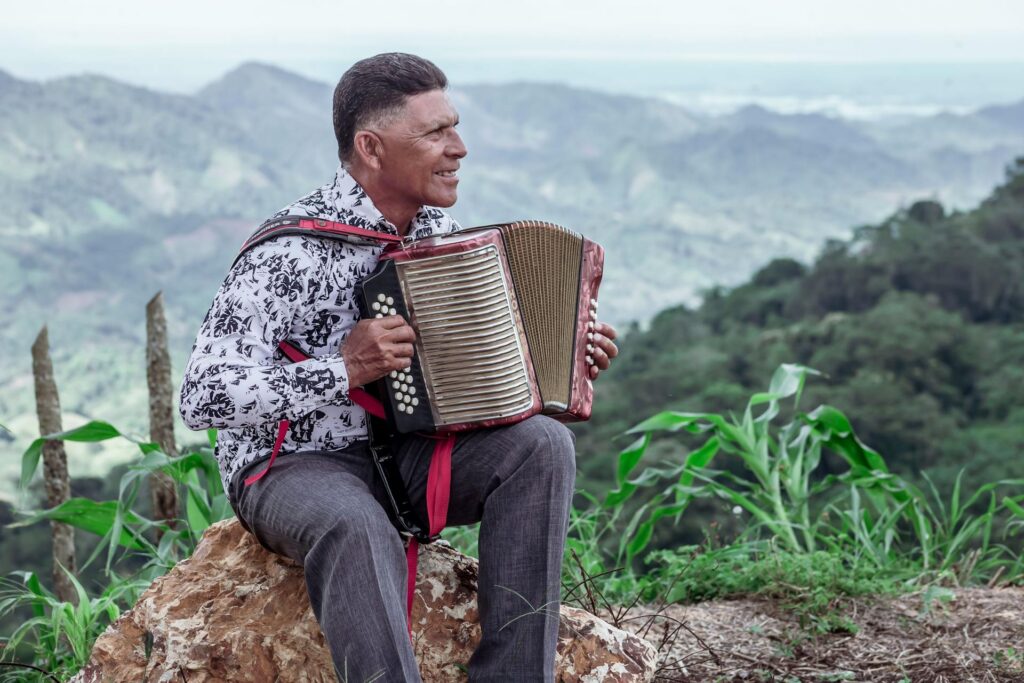
Vallenato, which also hails from the Atlantic coast, is defined by its vibrant accordion melodies accompanied by the caja (drum) and the guacharaca (scraper). This narrative genre beautifully weaves together poetry, romance, and chronicles of daily life.
Champeta, born in the Afro-Colombian neighborhoods of Cartagena and the Palenque de San Basilio in the 1980s, fuses Afro-Caribbean rhythms and urban sounds, creating an energetic and popular dance carried by bass, guitars, and percussion.
Let yourself be tempted by a dance class or an initiation to traditional instruments during your time on the Caribbean coast – the ultimate way to experience Colombian music from the inside out, driven by the warmth and energy of its people.

Street-art

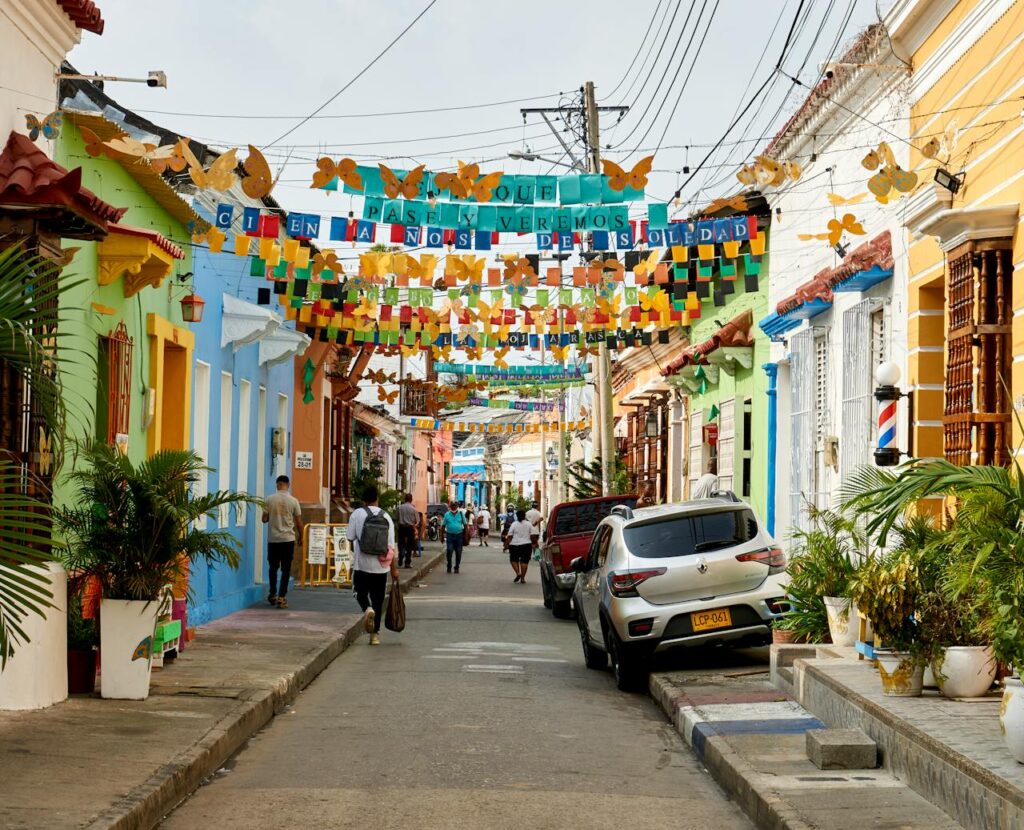
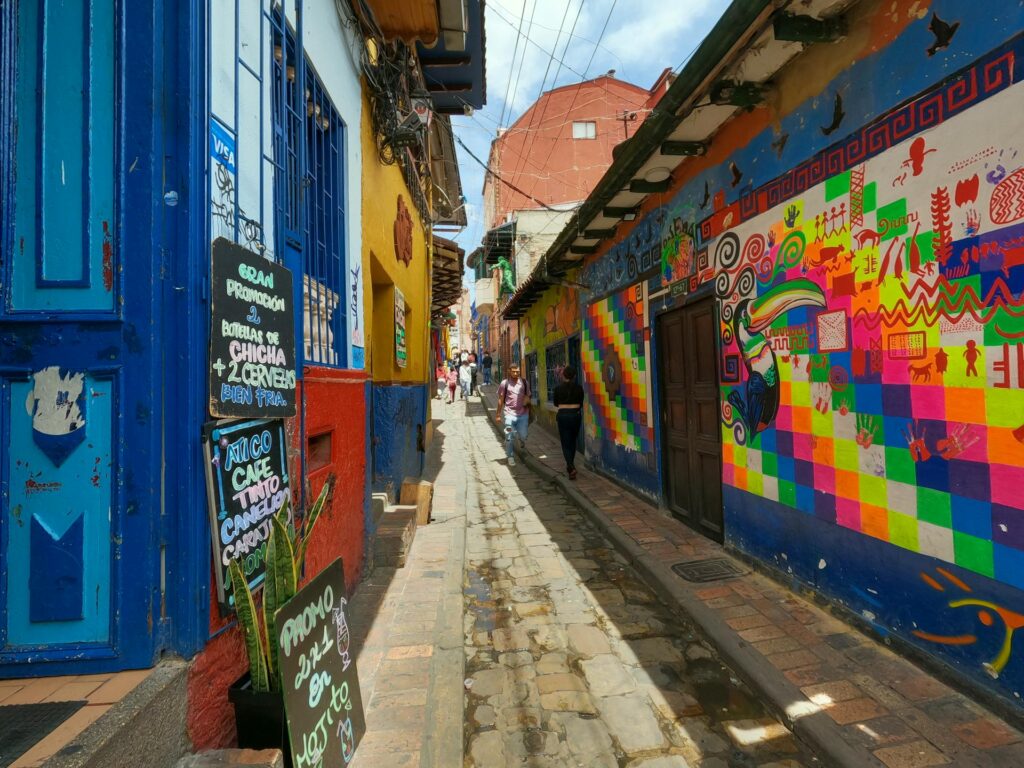
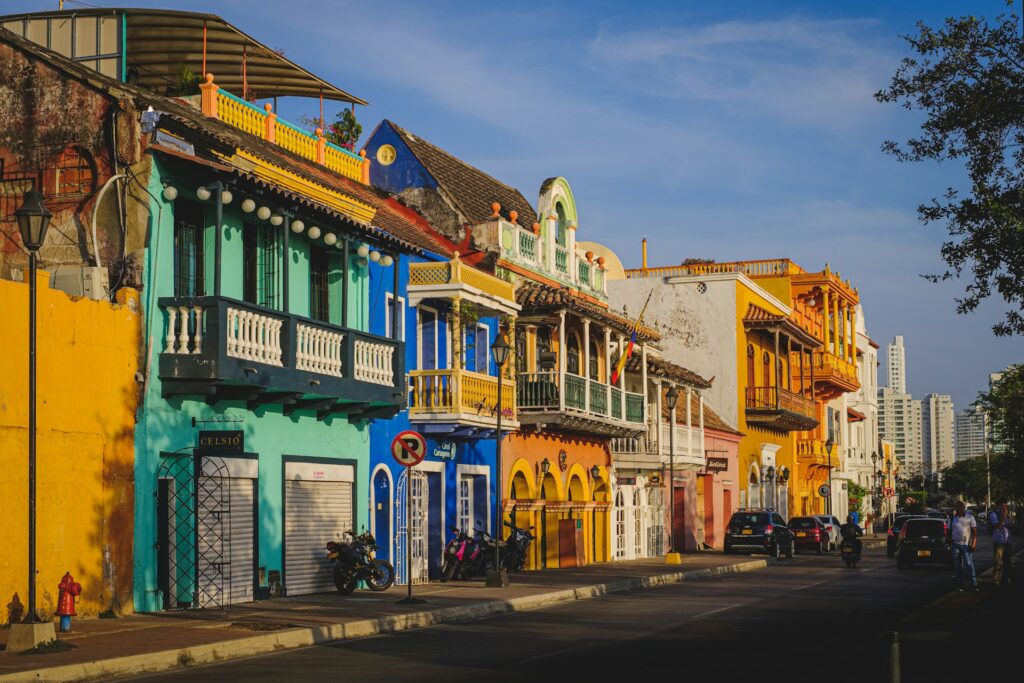
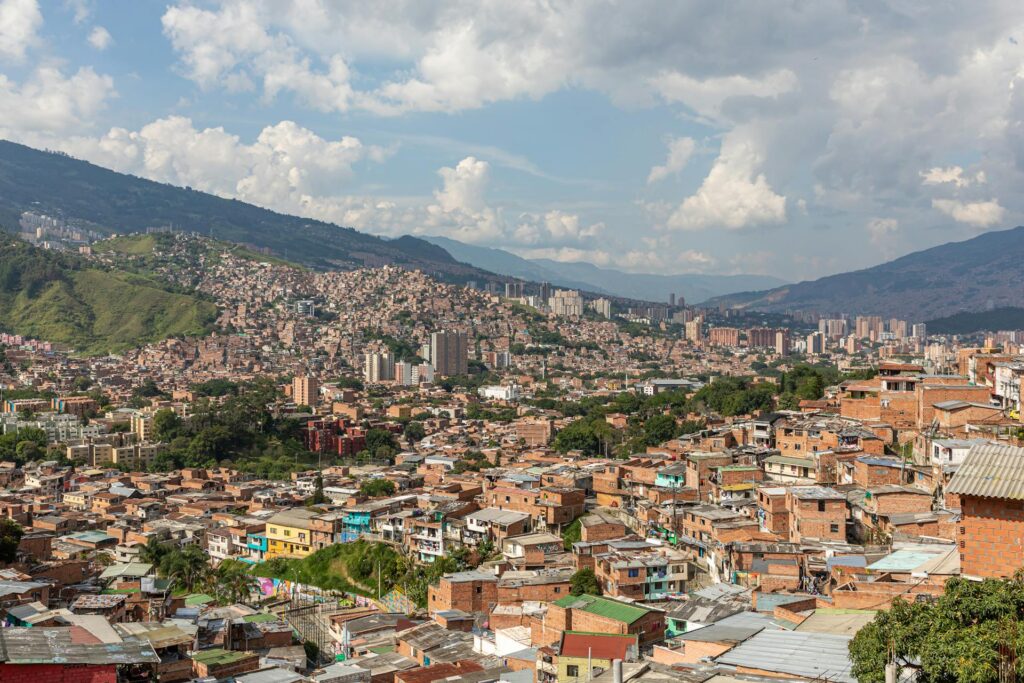
Street art occupies a central place today in the cultural identity of Colombia. In Medellín, notably in Comuna 13, the frescoes tell the social transformation of the neighborhood, while keeping in memory the conflict between the government and the guerrillas, but they also represent the creative energy of its inhabitants. In Bogotá, vast urban walls become open-air galleries, mixing politically engaged art and contemporary experiments. Other cities like Cali, Barranquilla, or Cartagena (Getsemaní neighborhood) also reveal new artists who expose the colors, messages, and diversity of the country.

Music and cultural scenes

Today, the Colombian music scene shines well beyond its borders, driven by internationally recognized artists.
Singers like Shakira, Carlos Vives, J Balvin, or Karol G demonstrate that the country is at the forefront of international trends.
Depending on your itinerary, you will undoubtedly have the opportunity to attend a concert or a festival of an artist you appreciate. You will live a unique experience in total immersion within Colombian culture.
Nos autres expériences en Colombie

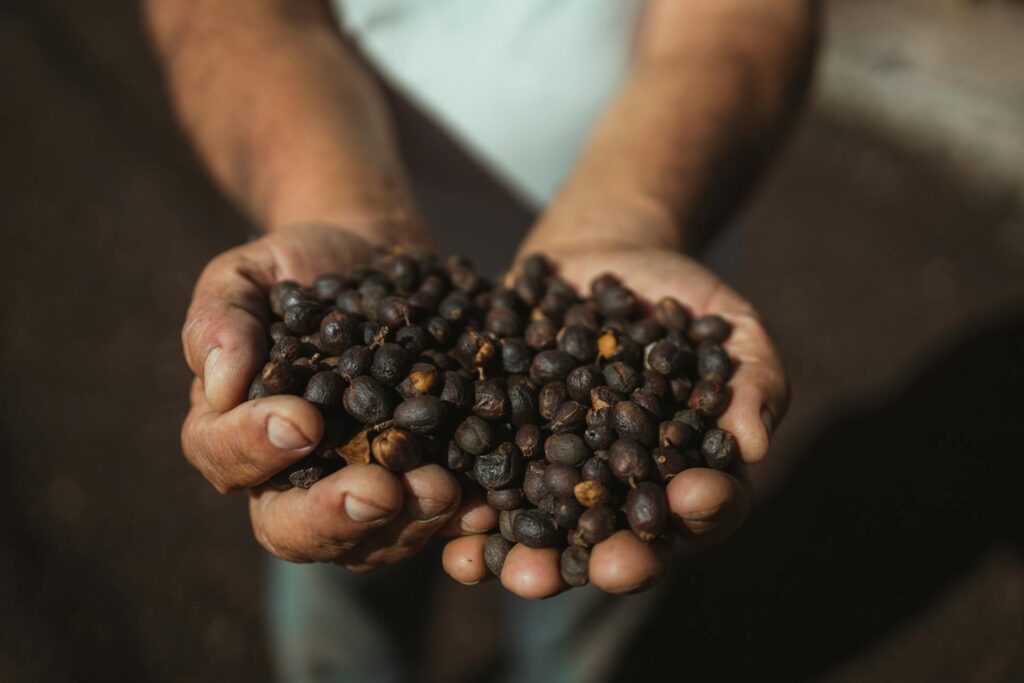
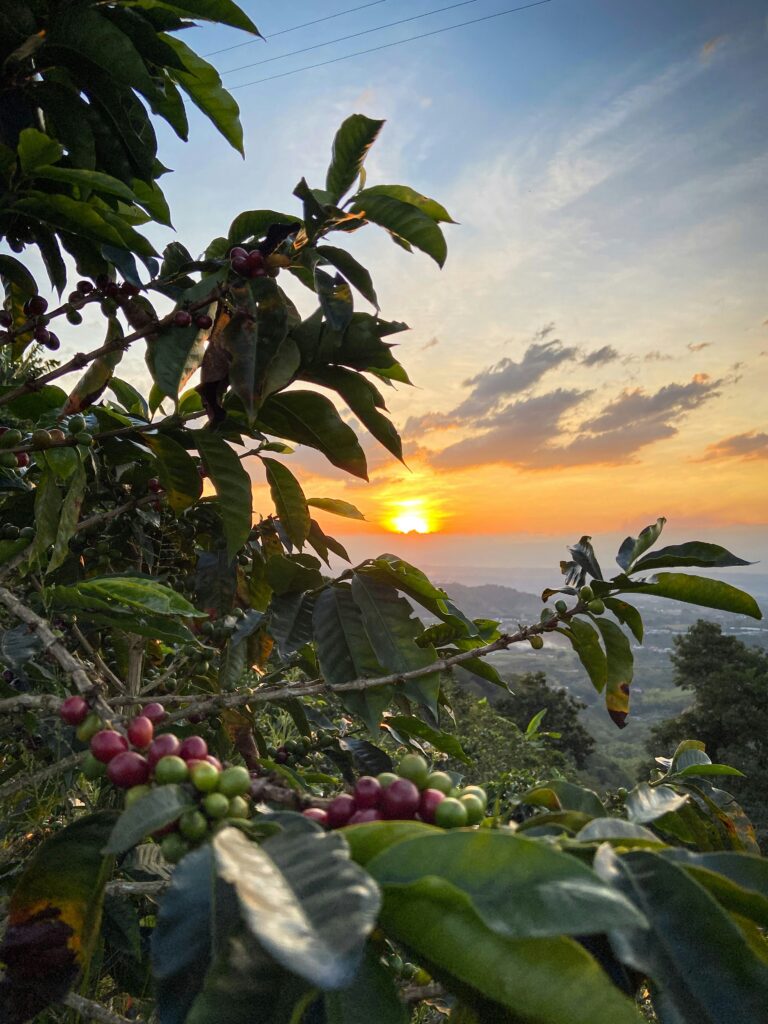
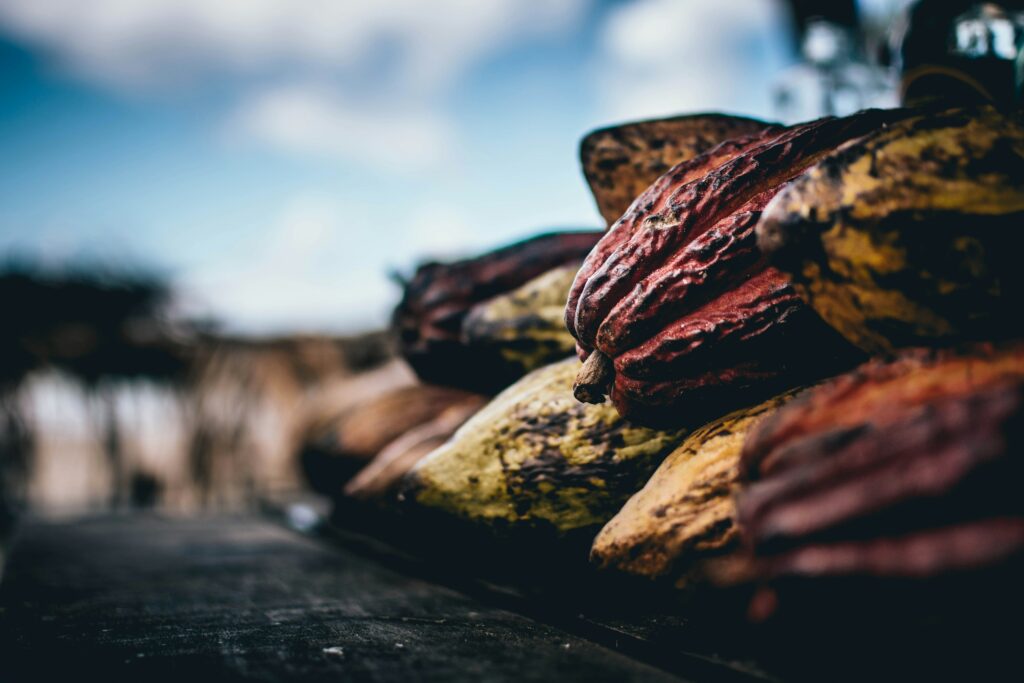
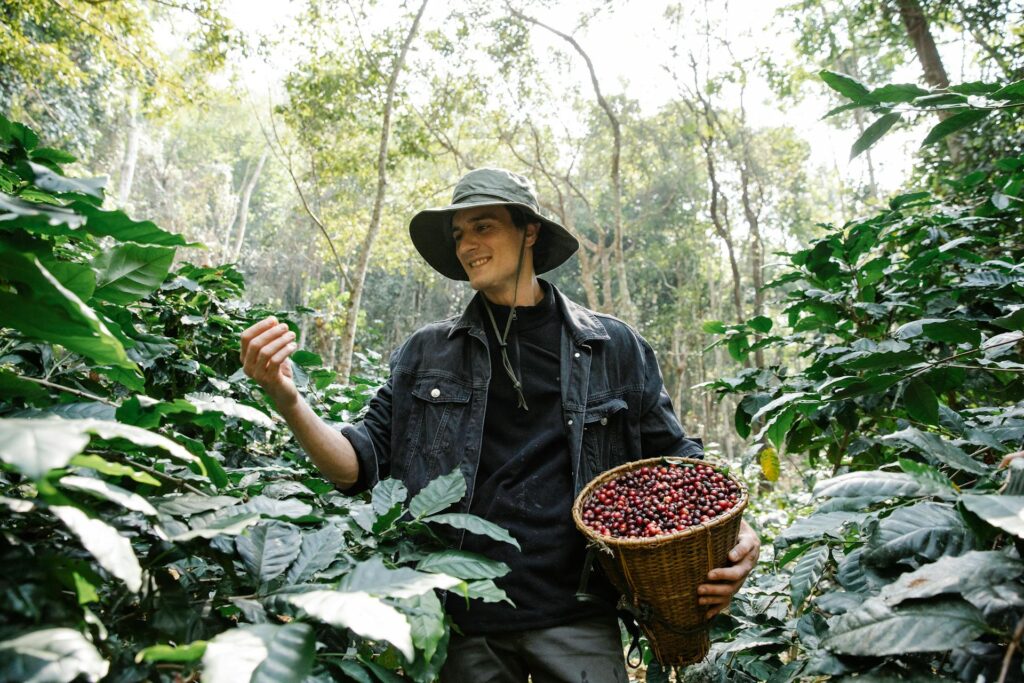
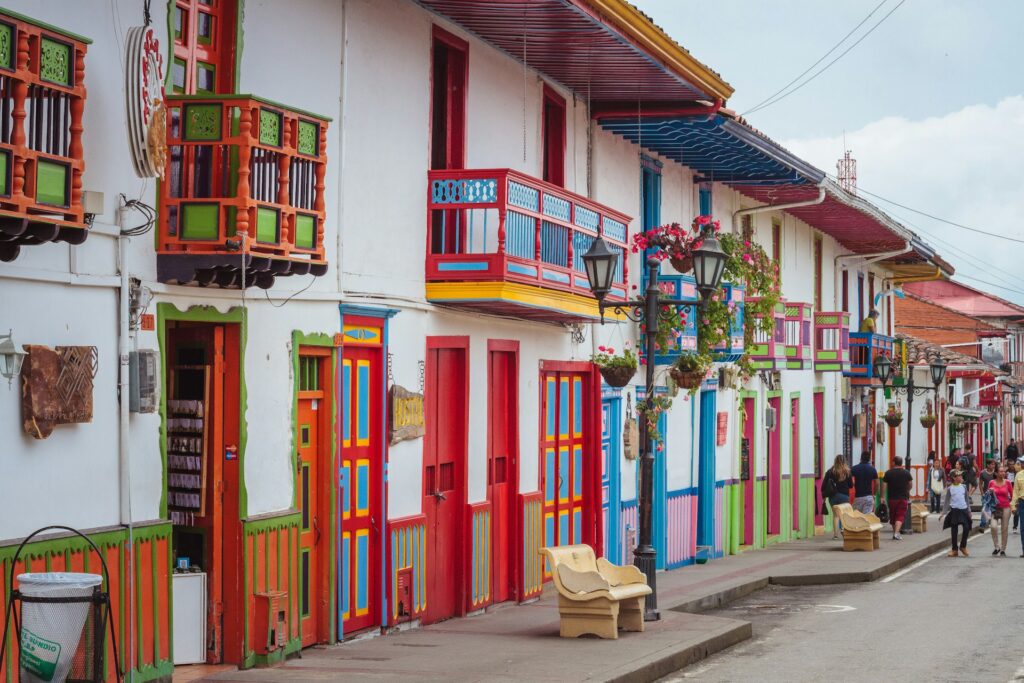
Découvrez le triangle du café colombien, entre paysages vallonnés, villages colorés et traditions rurales, où vous vivrez une immersion autour du café et du cacao tout en dégustant certains des meilleurs cafés du pays. 

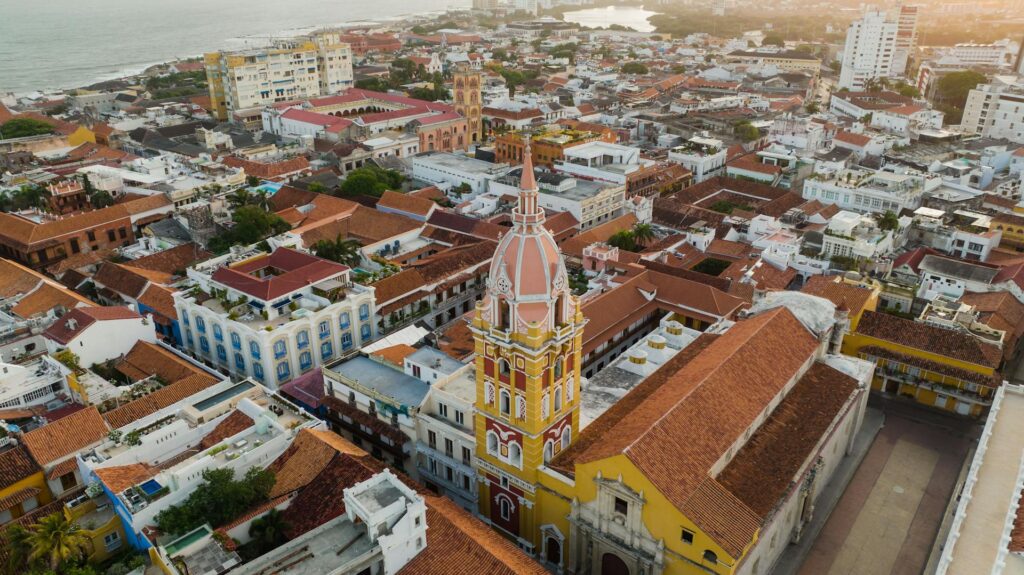
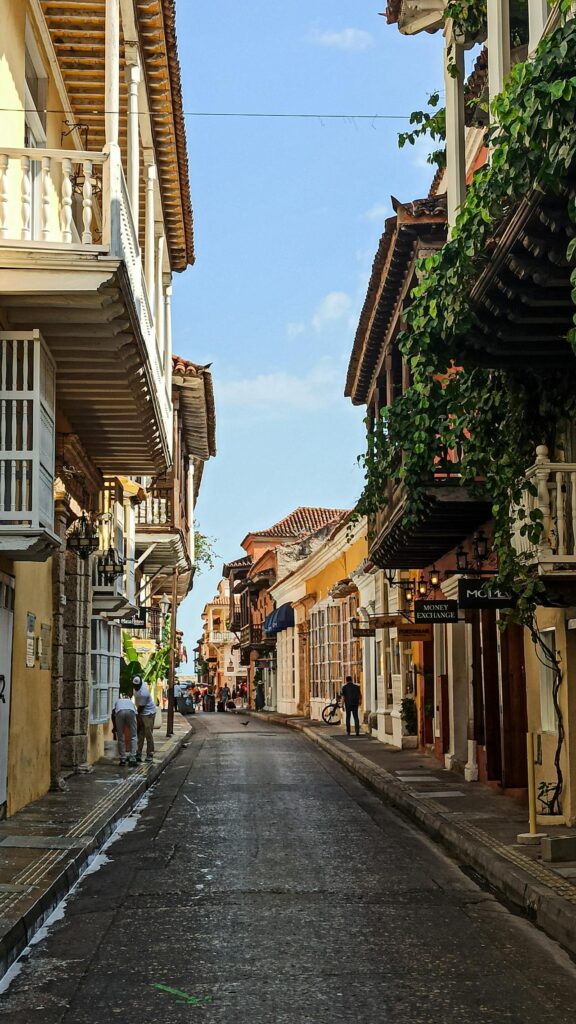
L’histoire de plusieurs centenaires se dévoile à Cartagena et sa région caribéenne, là où son héritage afro-colombien est particulièrement présent.  
Entre visite du centre historique fortifié de Cartagena, classé au patrimoine mondial, l’exploration du premier village libéré de l’esclavage et la découverte de la culture local par sa nourriture, sa musique et ses fêtes, vous apprécierez toute la richesse du Nord de la Colombie. 

La musique, la danse et les expressions artistiques occupent une place centrale dans la culture colombienne. A la fois traditionnelles comme la salsa ou la cumbia ou contemporaines comme le street-art, vous aurez l’occasion de pratiquer ou d’observer les artistes à l’œuvre. 

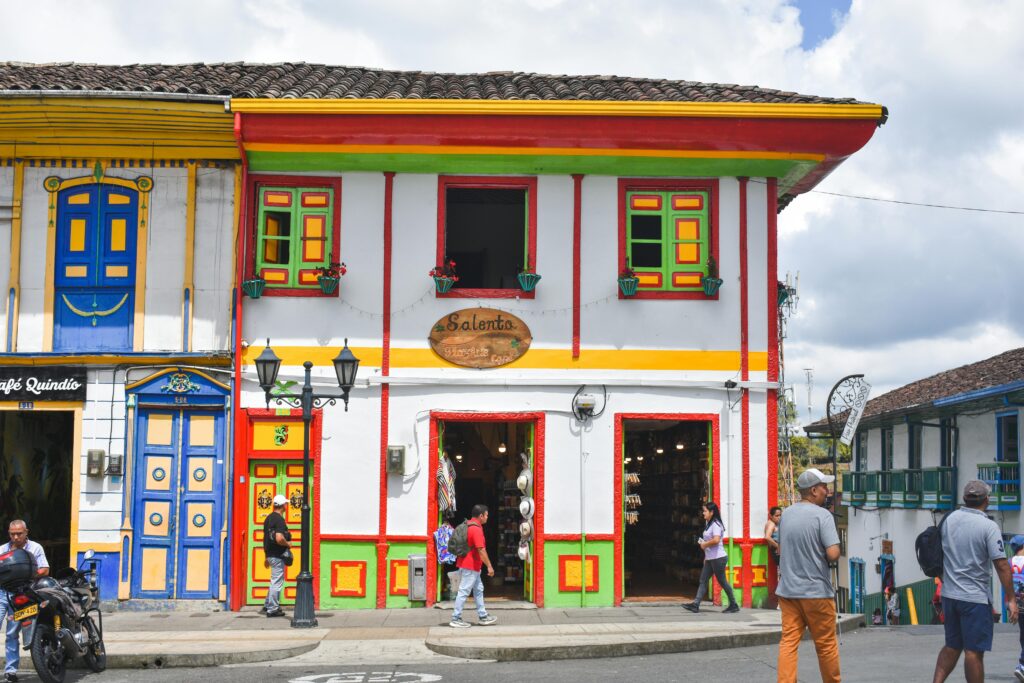
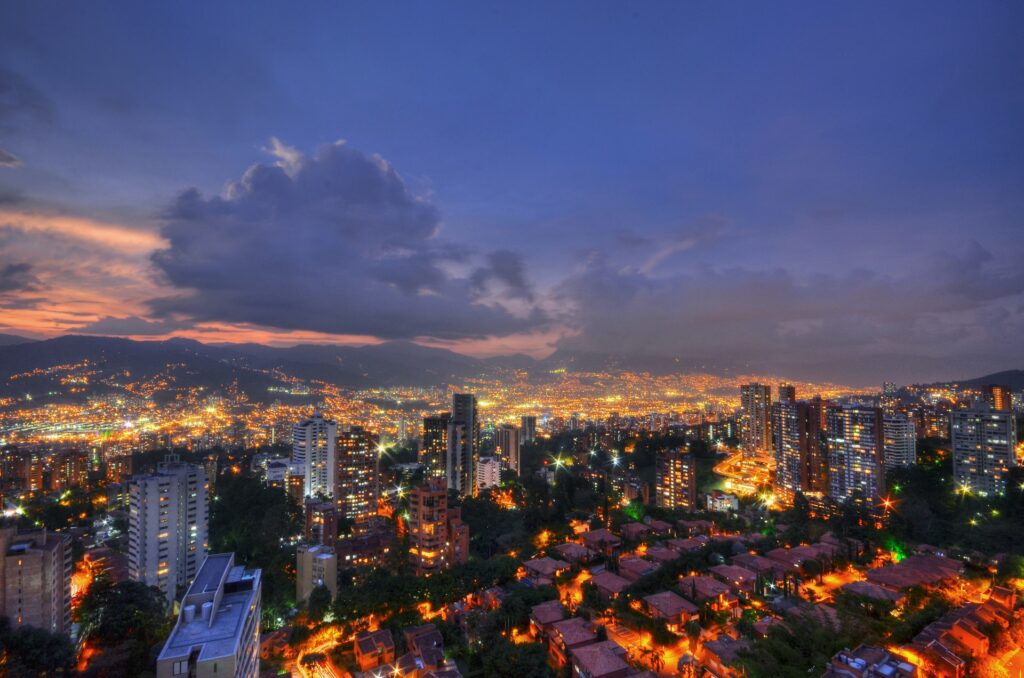
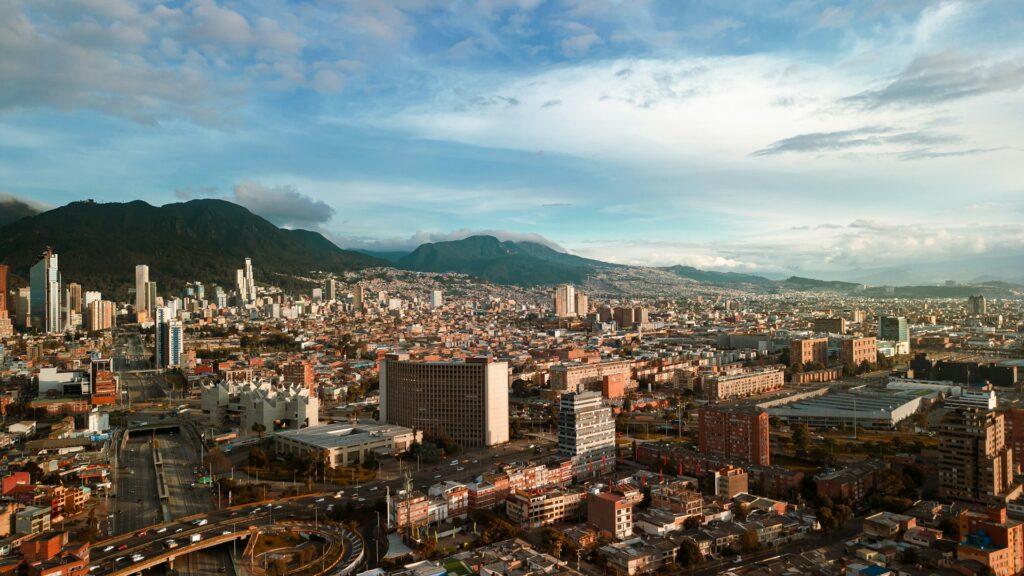
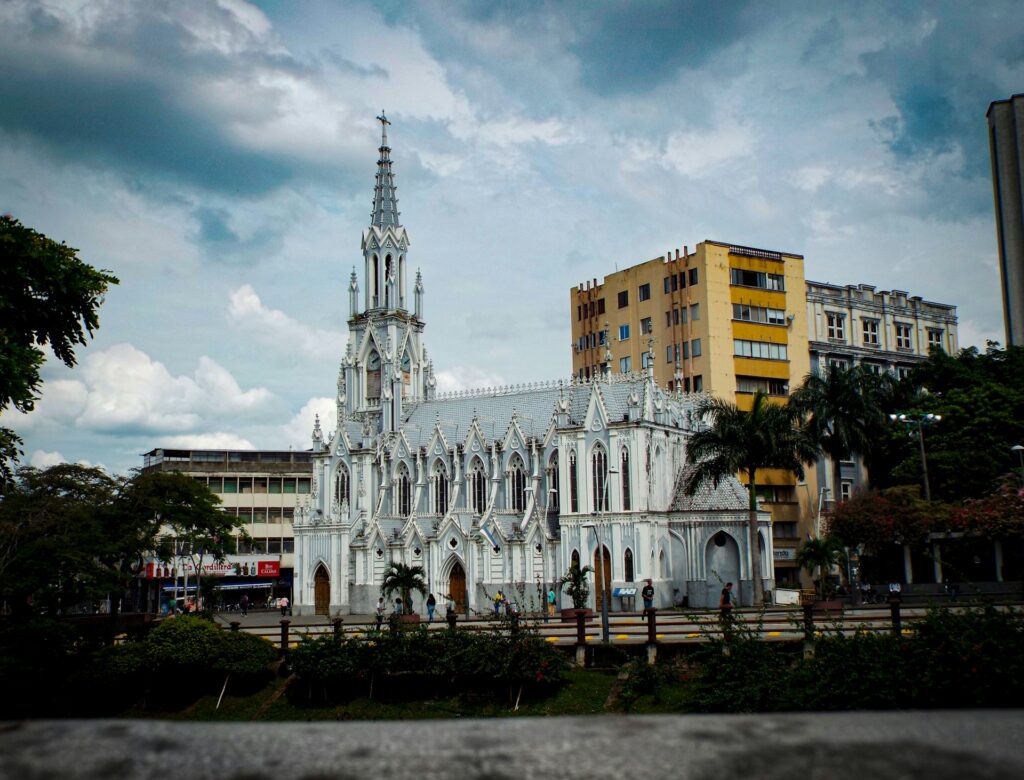
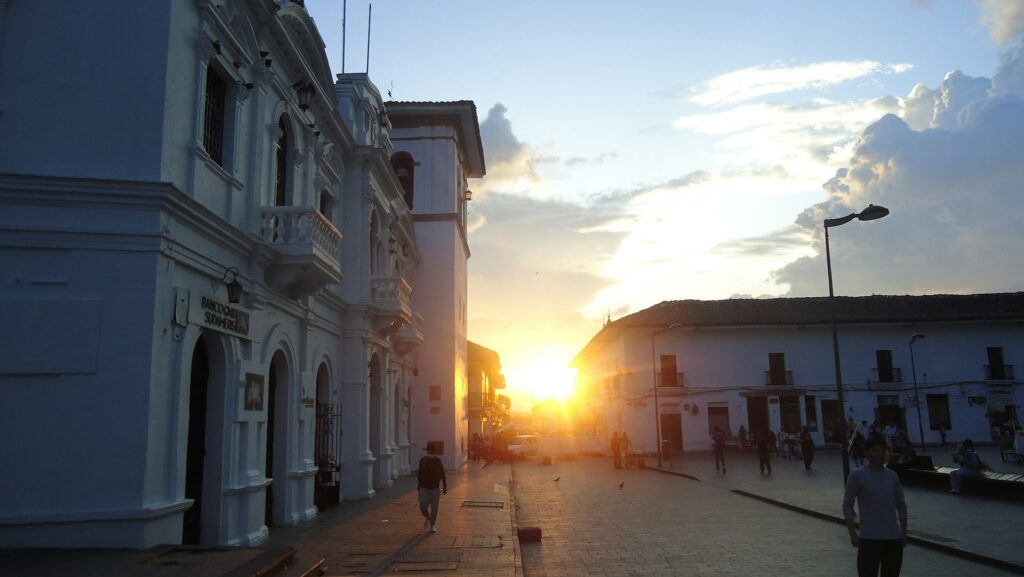
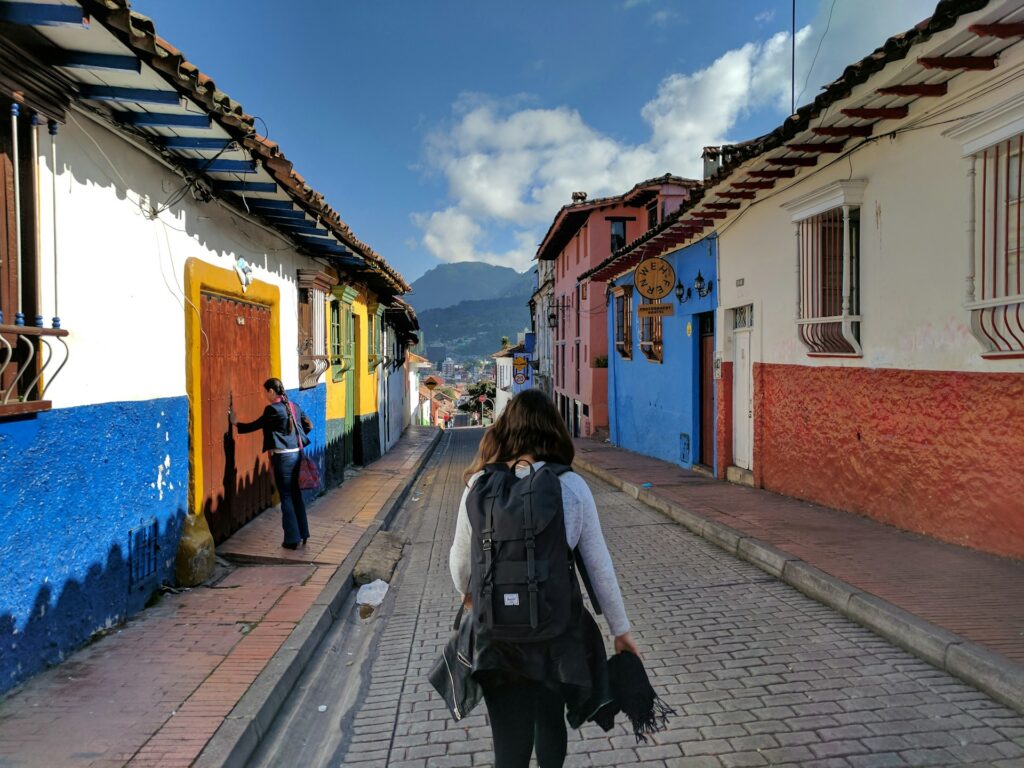
Partez à la découverte de la Colombie à travers ses grandes villes et ses régions emblématiques : Medellín et sa transformation urbaine, Bogotá entre patrimoine colonial et modernité, Cali au rythme de la salsa, Salento et Filandia au cœur des paysages du café, Leticia comme porte d’entrée sur l’Amazonie, et Popayán, ville blanche aux traditions gastronomiques uniques. Un voyage entre culture, nature et rencontres authentiques.

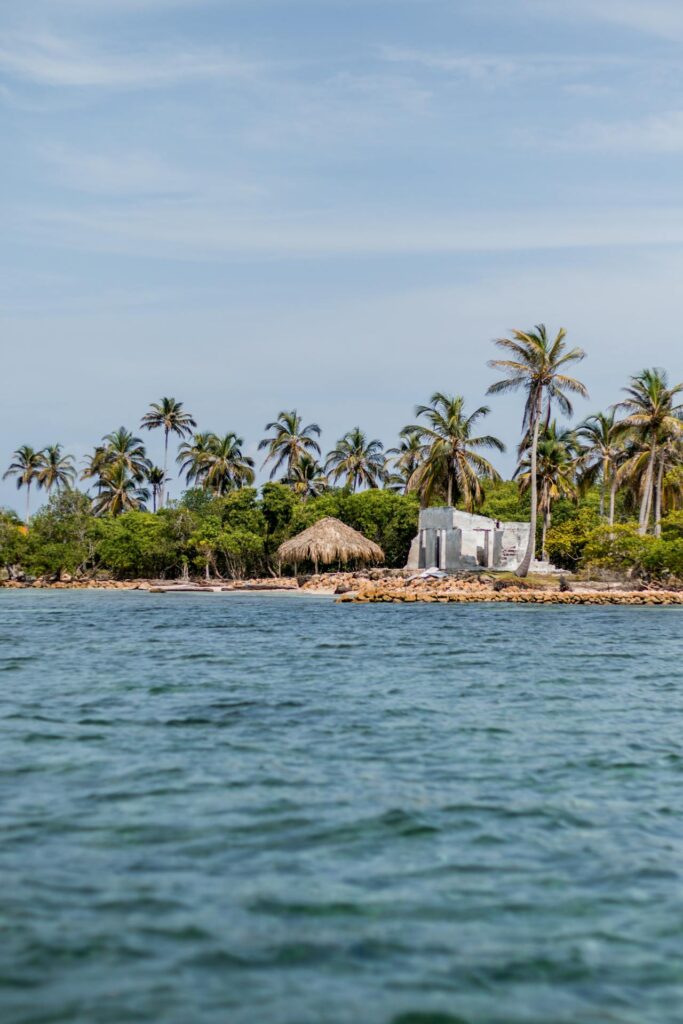
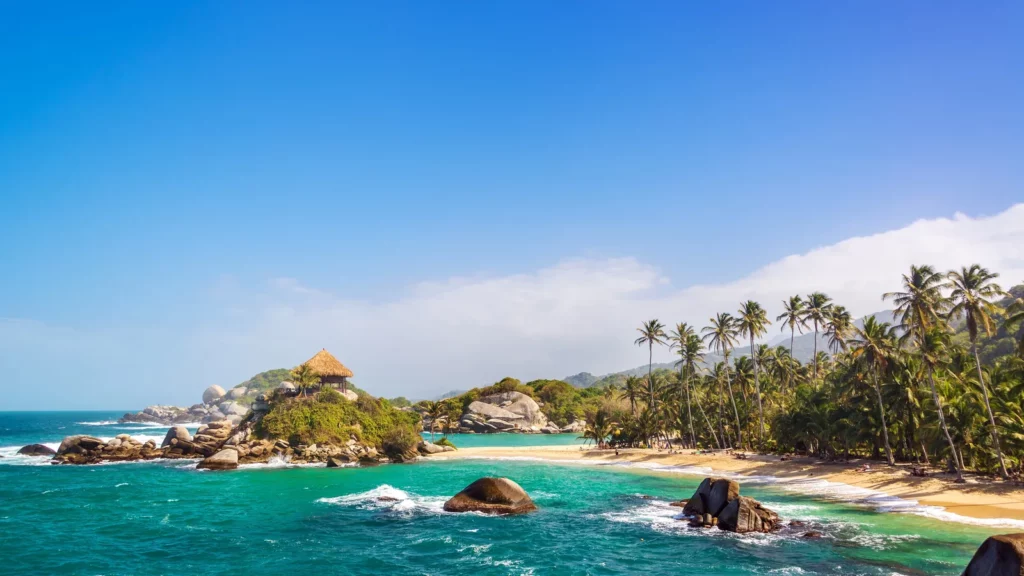
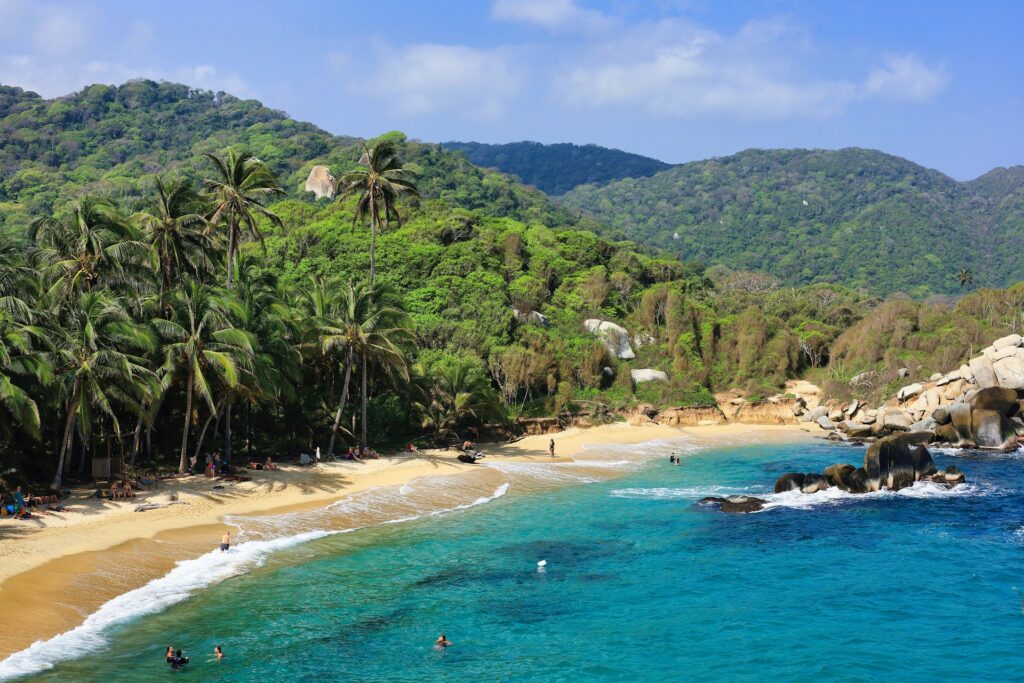
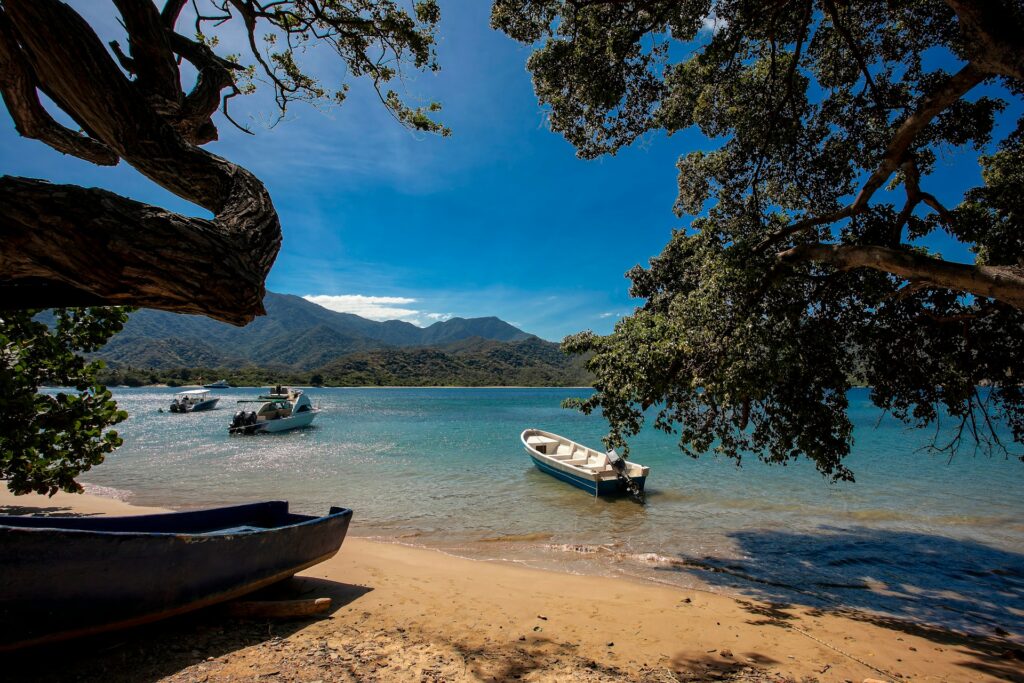
Le parc national Tayrona offre une immersion entre jungle tropicale et plages caribéennes préservées. Randonnées intenses, observation de la faune et moments de détente rythment la découverte de ce territoire protégé. Si certaines plages sont dangereuses à cause des courants, d’autres comme La Piscina ou des criques plus isolées permettent baignade, snorkeling et repos dans un cadre naturel exceptionnel. 

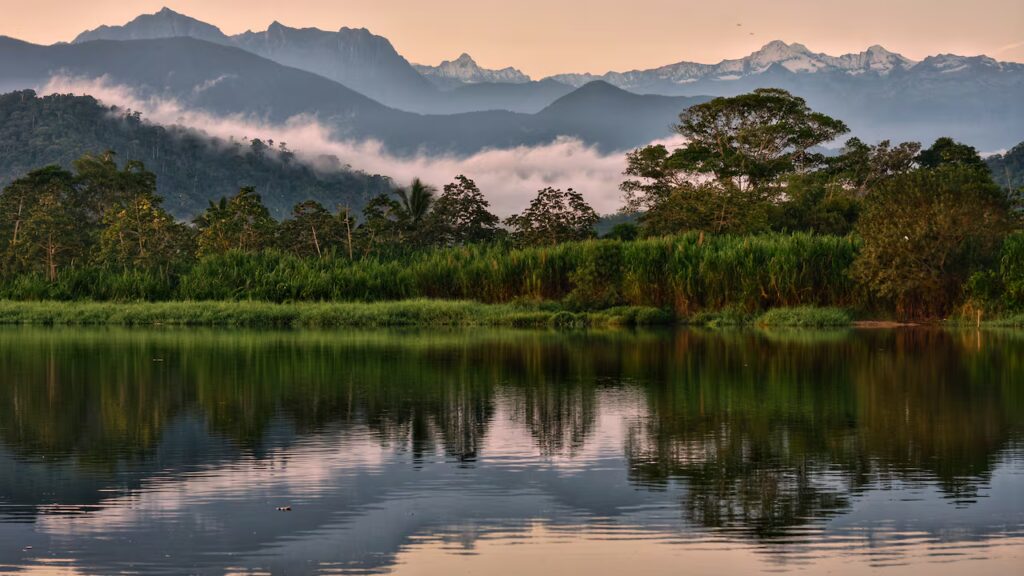
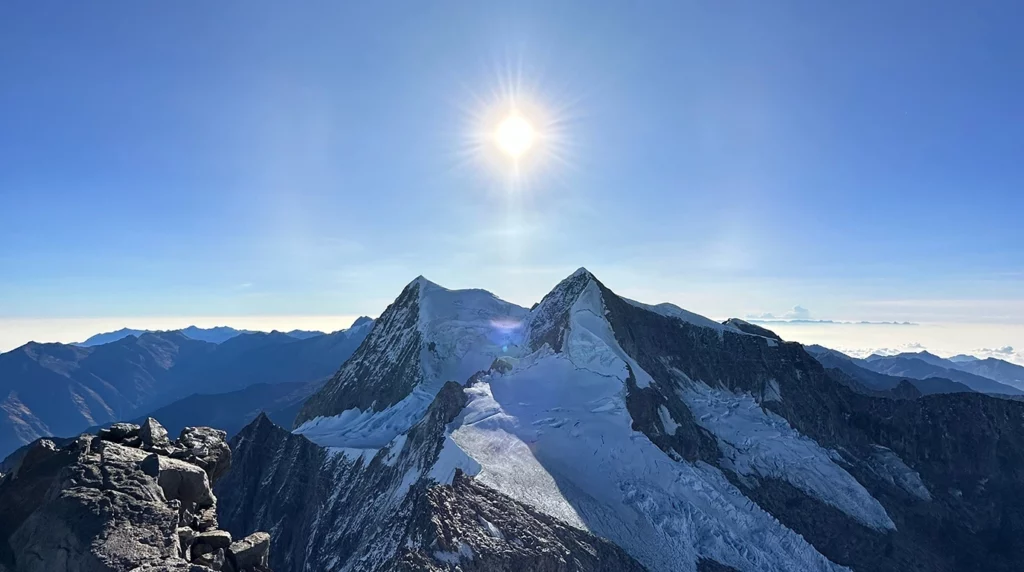
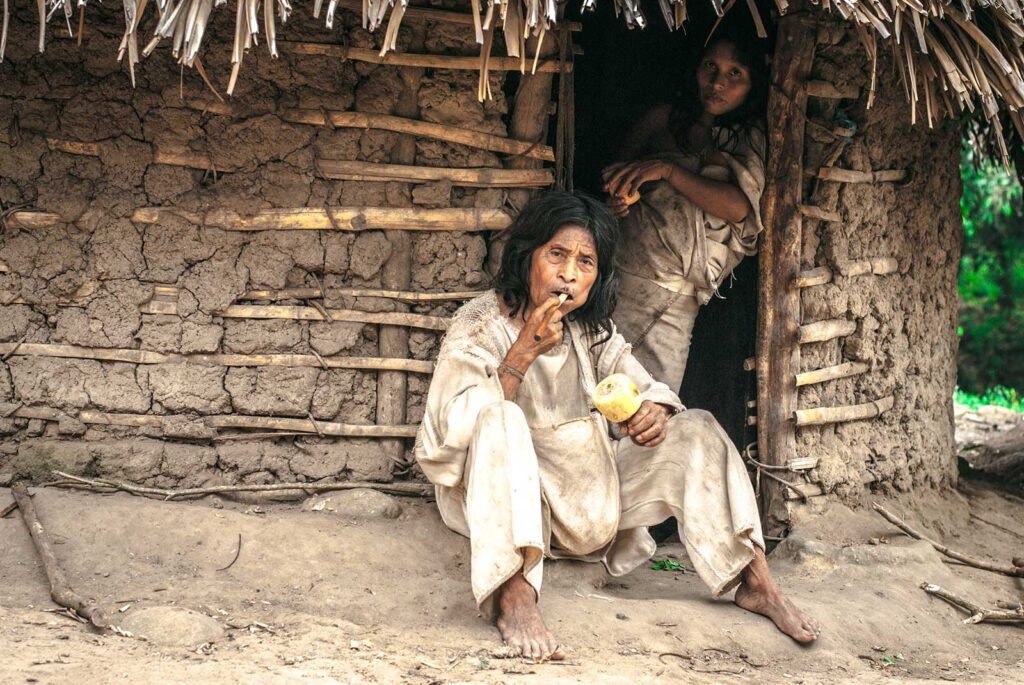
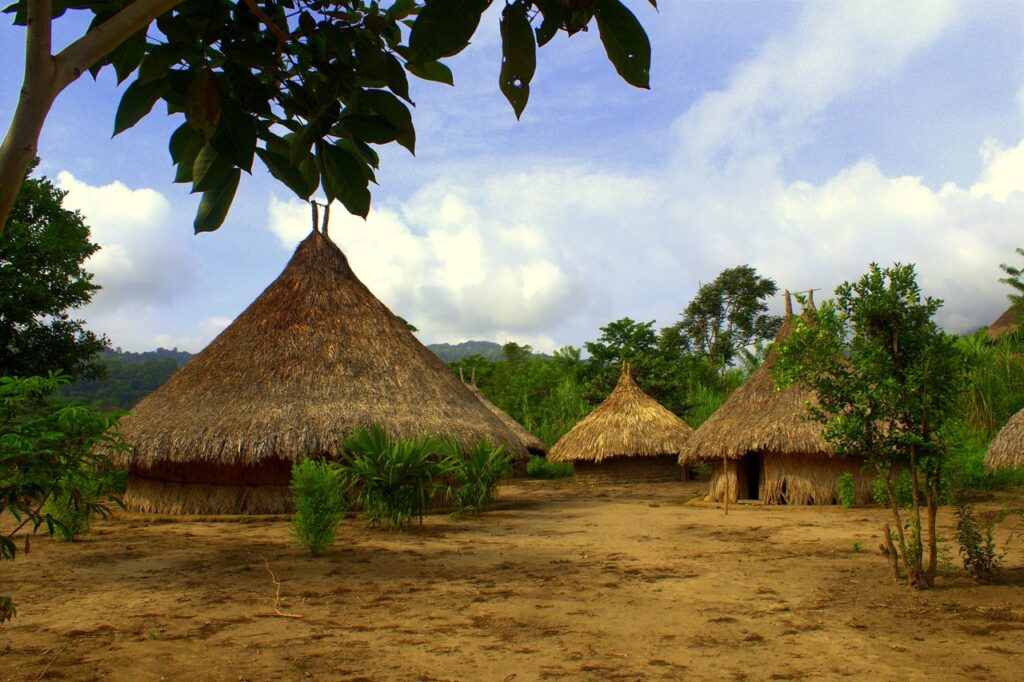
La Sierra Nevada de Santa Marta est un massif isolé, s’élevant de la mer des Caraïbes jusqu’à des sommets enneigés, et est un territoire central pour plusieurs peuples autochtones dont les Koguis.
La géographie du terrain permet de passer à travers les forêts tropicales en basse altitude et se rapprocher de la neige sur la plus haute montagne de Colombie, le pic Cristobal Colon, situé à 5770 mètres d’altitude.
 

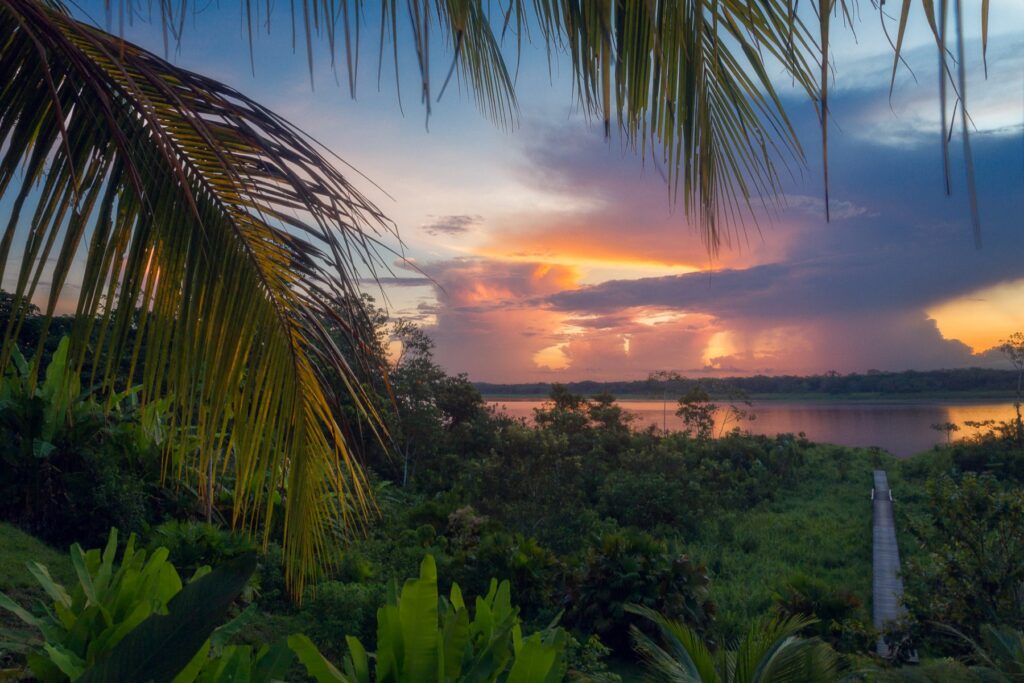
Dans le sud, partez pour un voyage d’exception entre Amazonie et Sud colombien, mêlant croisière sur l’Amazone, lodges de jungle, faune spectaculaire, cultures indigènes et étapes authentiques comme Pasto.

Partager
Découvrez l’Amérique du Sud avec Pasión Andina