BOLIVIA

The Salar de Uyuni and the Sud Lípez Desert

Salar de Uyuni

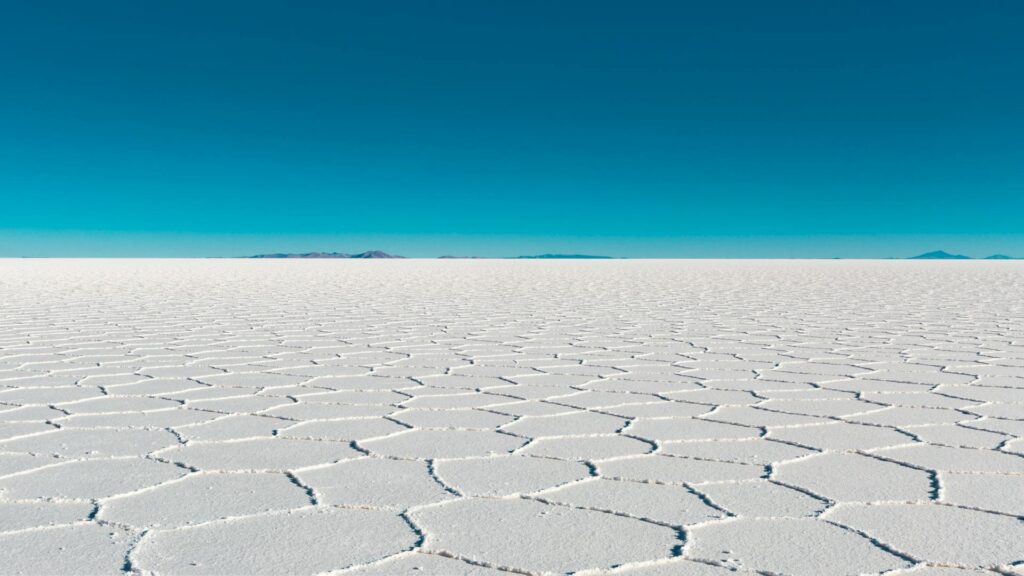
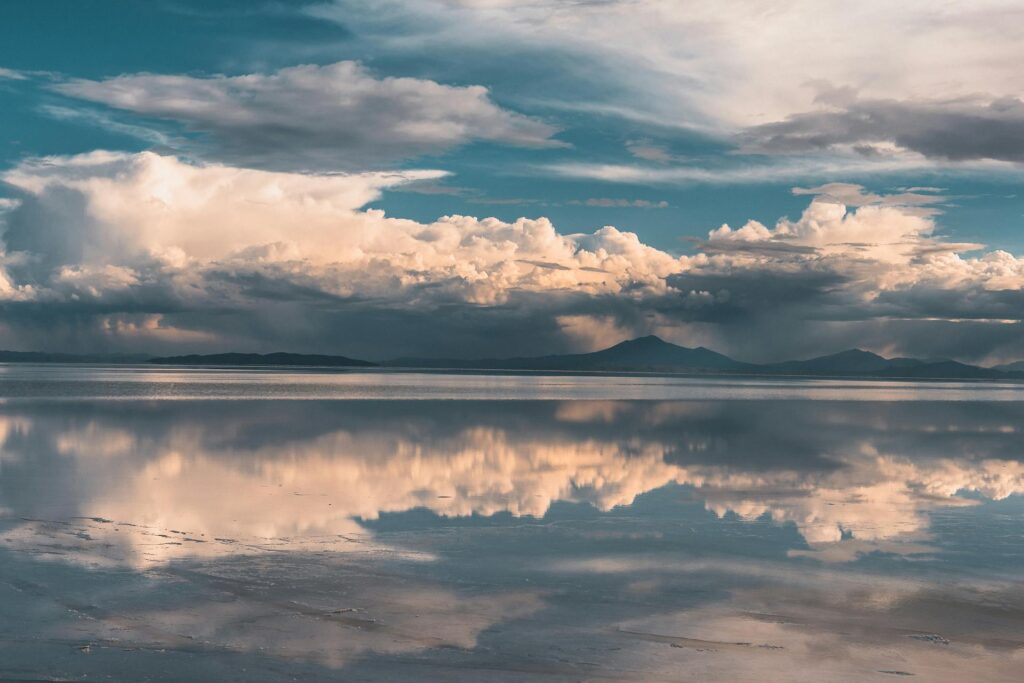
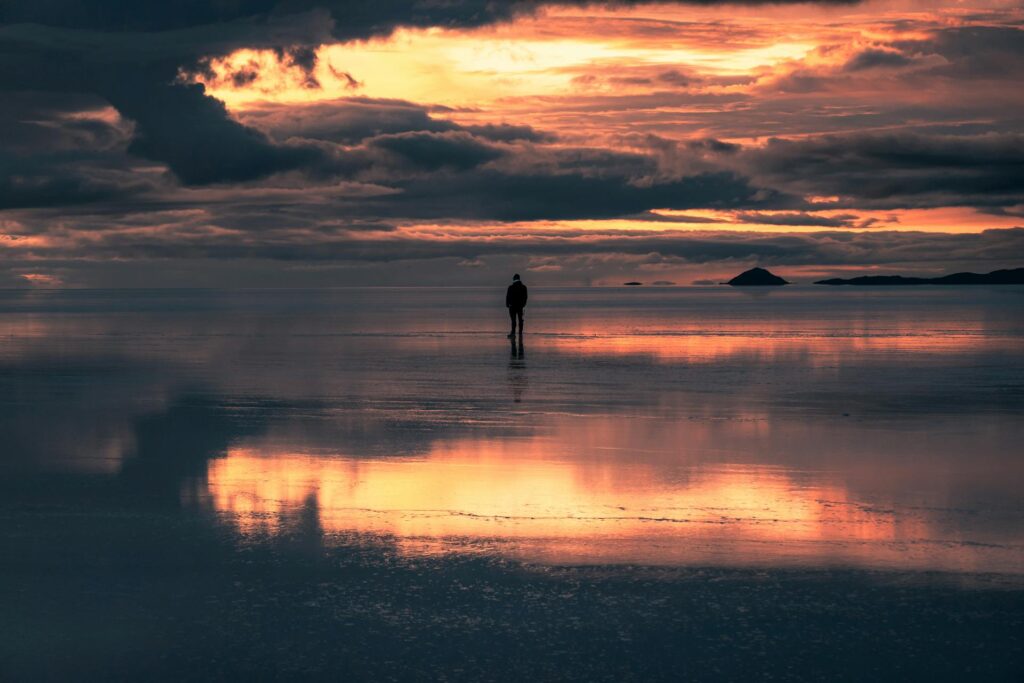
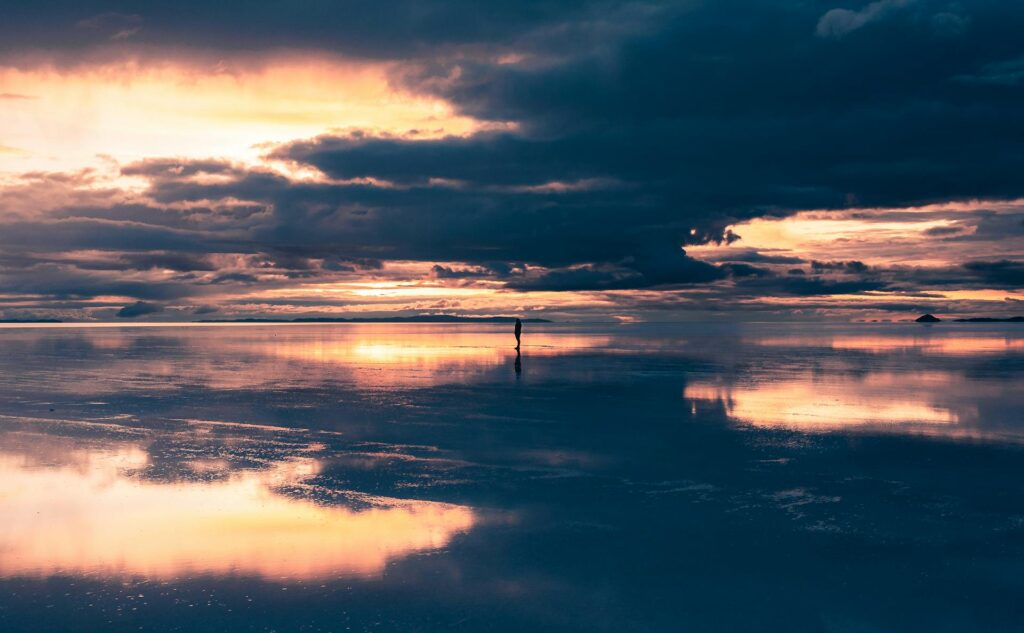
The Salar de Uyuni is the largest salt flat in the world. A minimum of 3 to 4 days is recommnded to fully experience it, journey across its diverse landscapes, and marvel at its unique scenery. The salt desert transforms with each passing season, shifting from a dry, blindingly white expanse to a mirror-like surface covered by a thin layer of water during the rainy season. In either case, the immersion is complete, offering a truly breathtaking experience.

The colored Lagoons of Sud Lípez

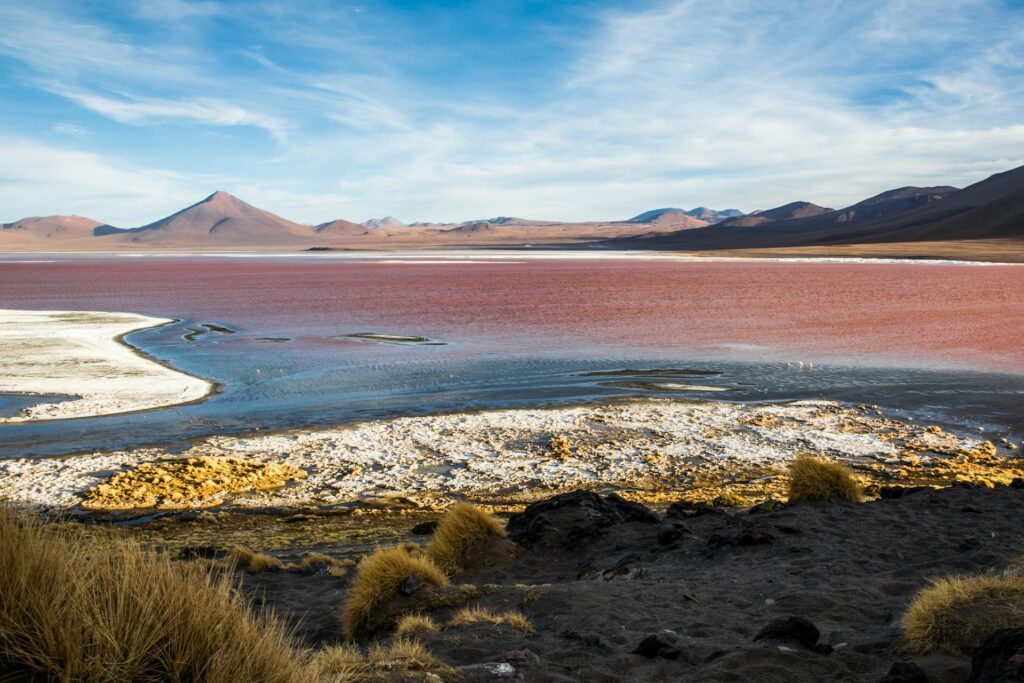
The colored lagoons of Sud Lípez are nestled in a high-altitude region, often sitting well above 4,500 meters. You will witness their striking hues, which shift from vibrant green to deep red depending on the water’s mineral composition and the presence of microorganisms.

As you journey through, you will cross lagoons each more colorful than the last, while towering volcanoes line the horizon kilometer after kilometer.
The landscape also features active geysers, blowing plumes of hot, sulfur-scented steam into the air. Finally, at every water source, you will have the chance to admire thousands of pink flamingos feeding in their natural habitat. 

4x4 Expedition

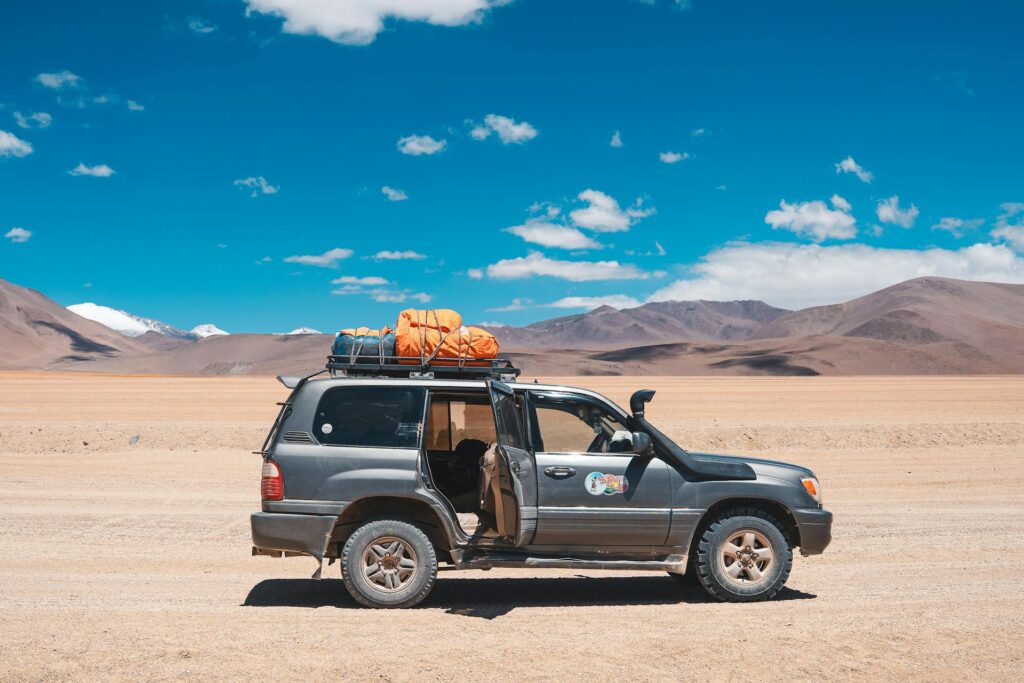
Connect remote natural wonders with our 4×4 rentals, allowing you to explore completely at your own pace. You will be free to move at your own pace and stay wherever you like, all while accompanied by your guide. The vast, untamed wilderness awaits you on this unique road trip.

Our other experiences in Bolivia

Set out to discover nature in its purest form. In southwestern Bolivia, you will find vast, open spaces where the sky and the ground meet seamlessly on a thin line at the horizon. Between the Salar d’Uyuni and the vibrant lagoons of Sud Lípez, the sheer beauty of nature will leave you in awe.

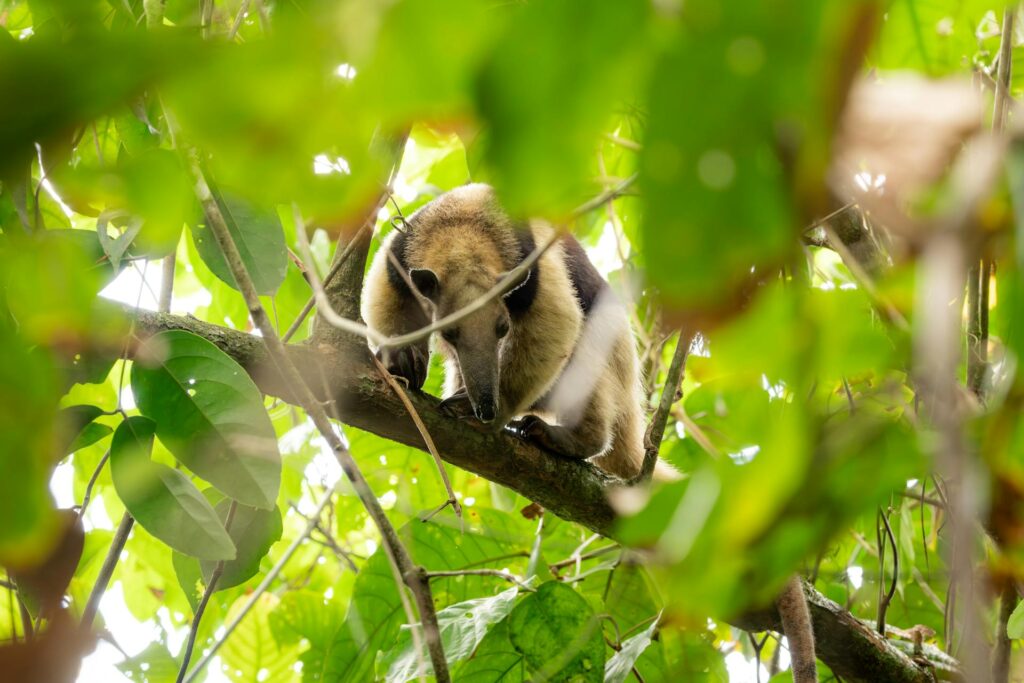
The programs developed by Tamandua Expeditions are designed for travelers seeking a deeper understanding of Bolivia’s ecosystems. These experiences prioritize naturalist observation, habitat study, and a nuanced interpretation of the land, adapting to the unique demands of each environment.

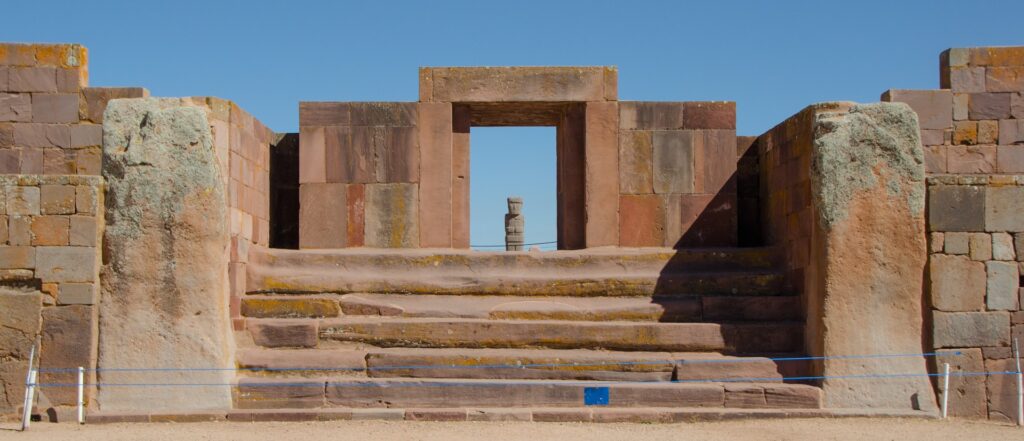
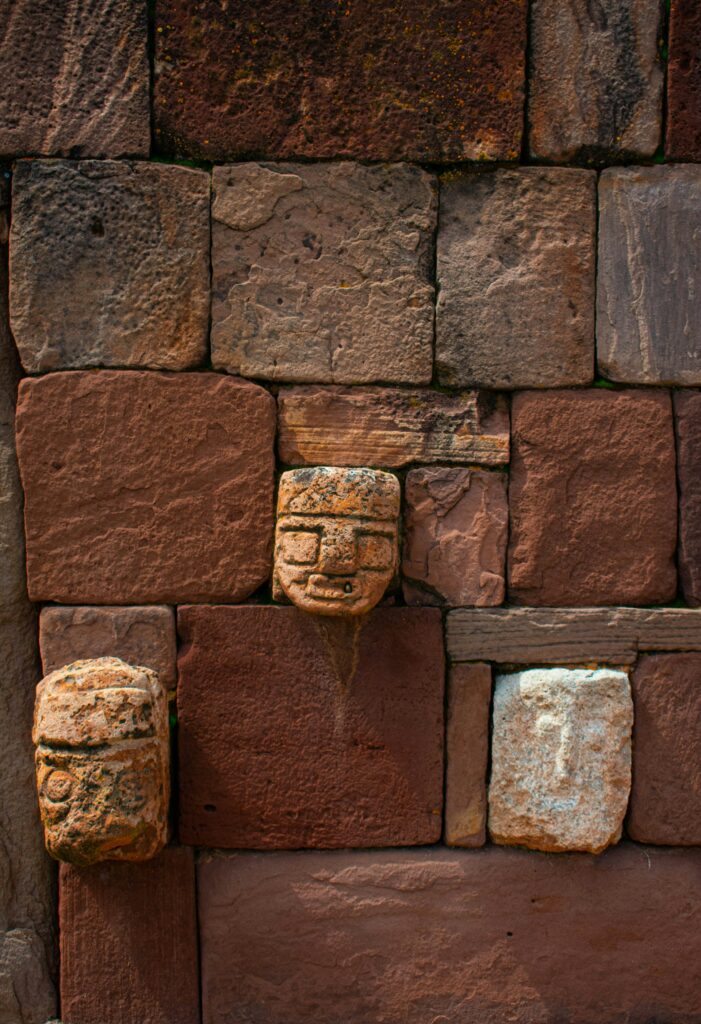
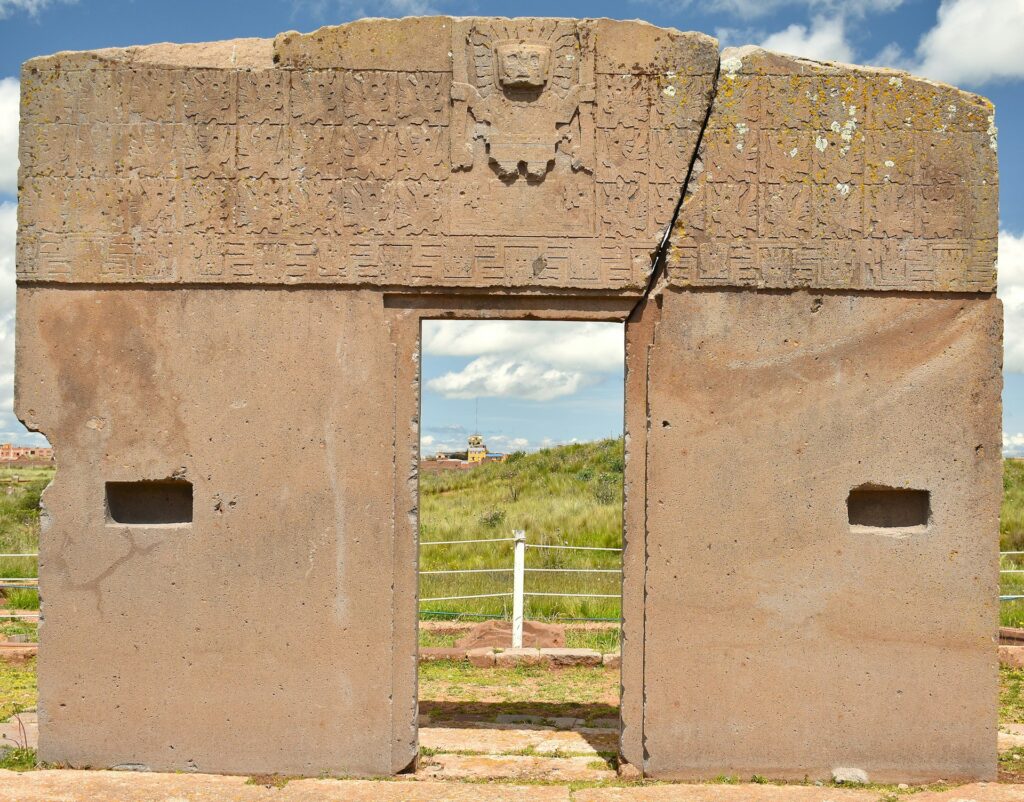
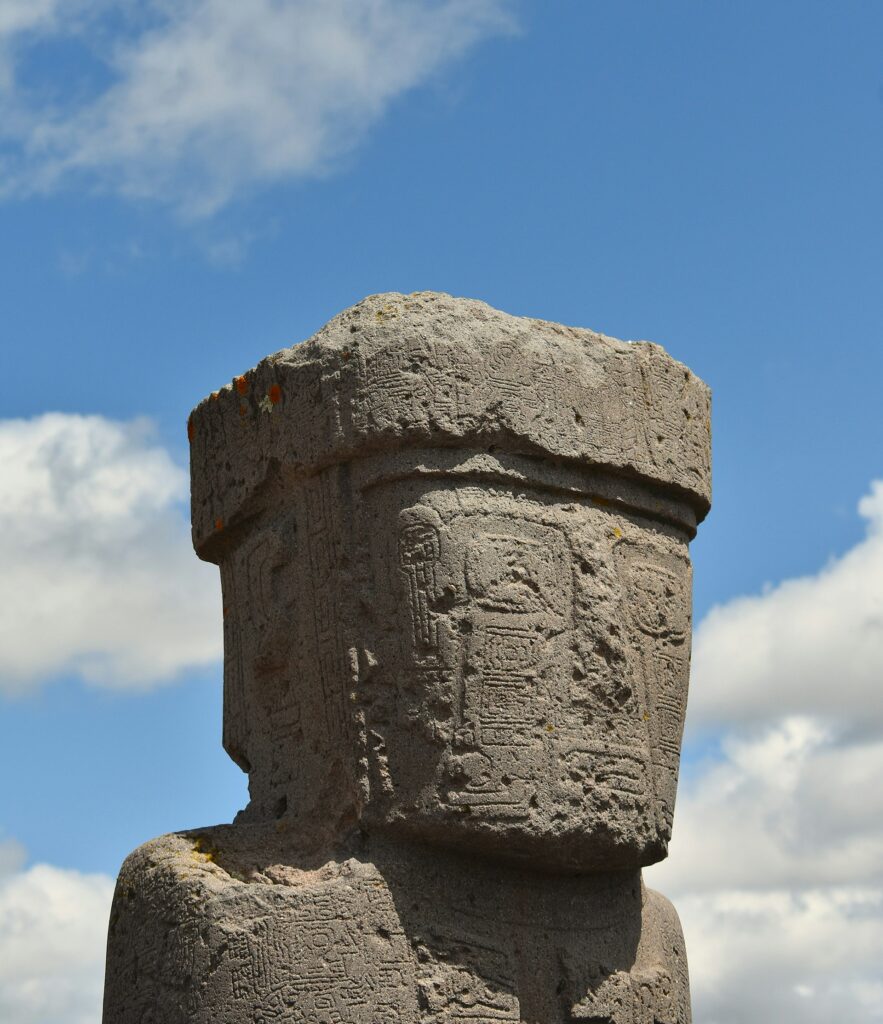
The Tiwanaku site holds a major place in the pre-Hispanic history of the Central Andes. Located on the Bolivian Altiplano between La Paz and Puno (Peru), it served as a ceremonial and political center long before the Inca expansion.
Despite the many mysteries surrounding this archaeological site, your guide will shed light on this ancient civilization, their architectural feats, and their religious practices.

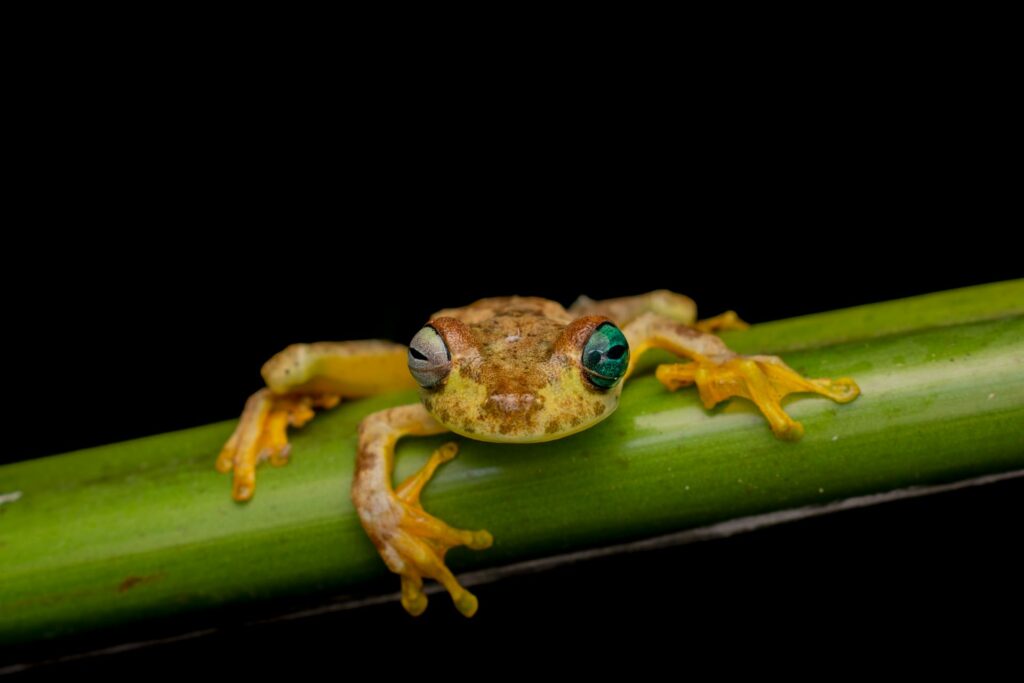
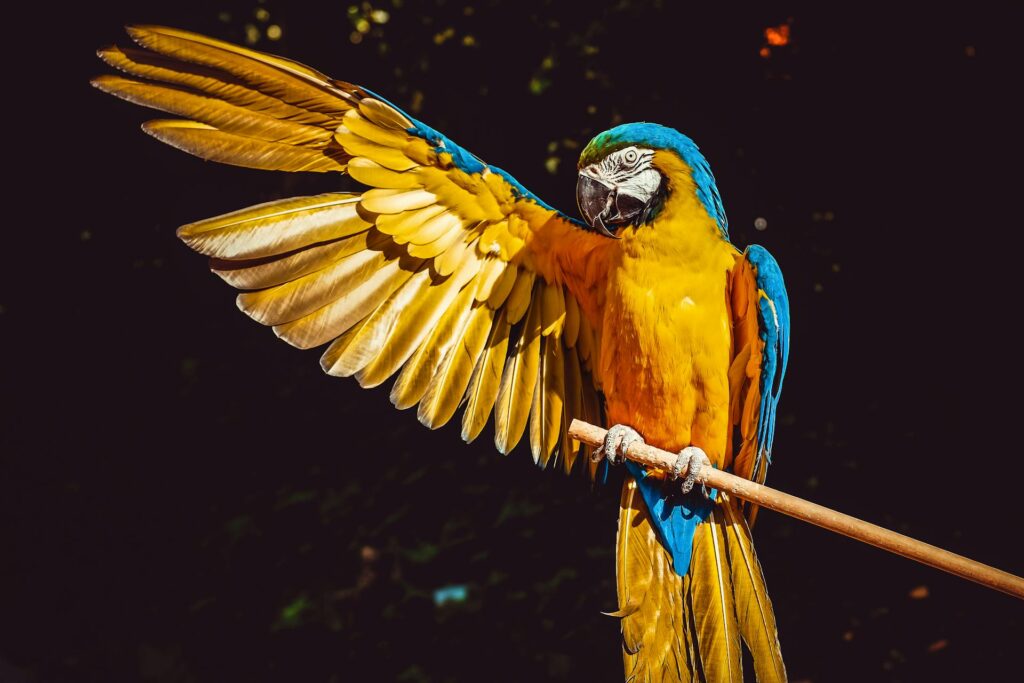
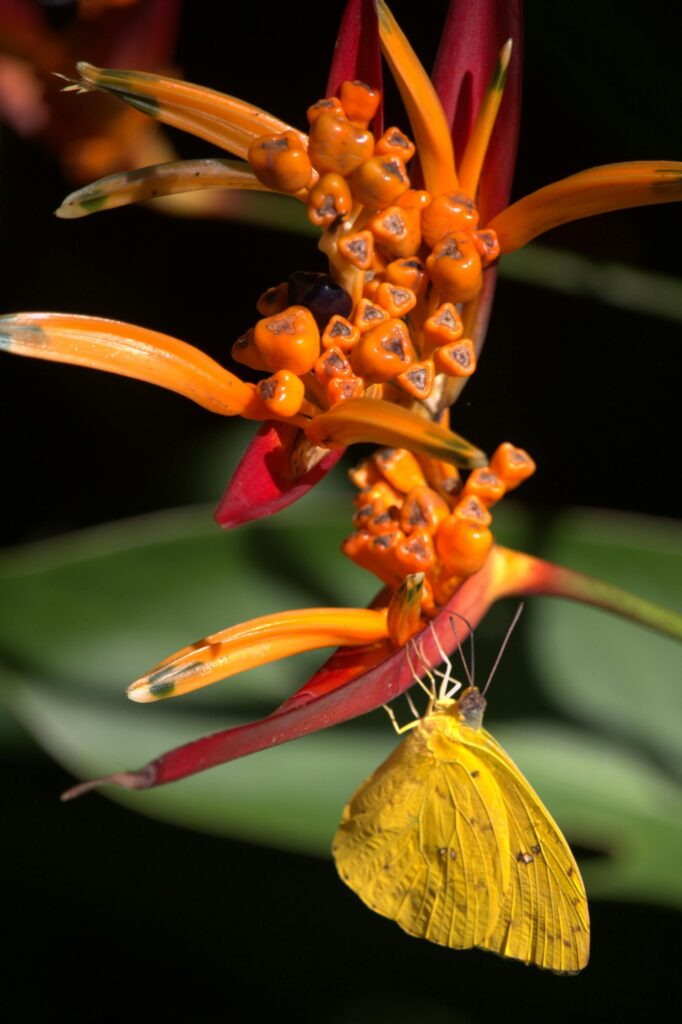
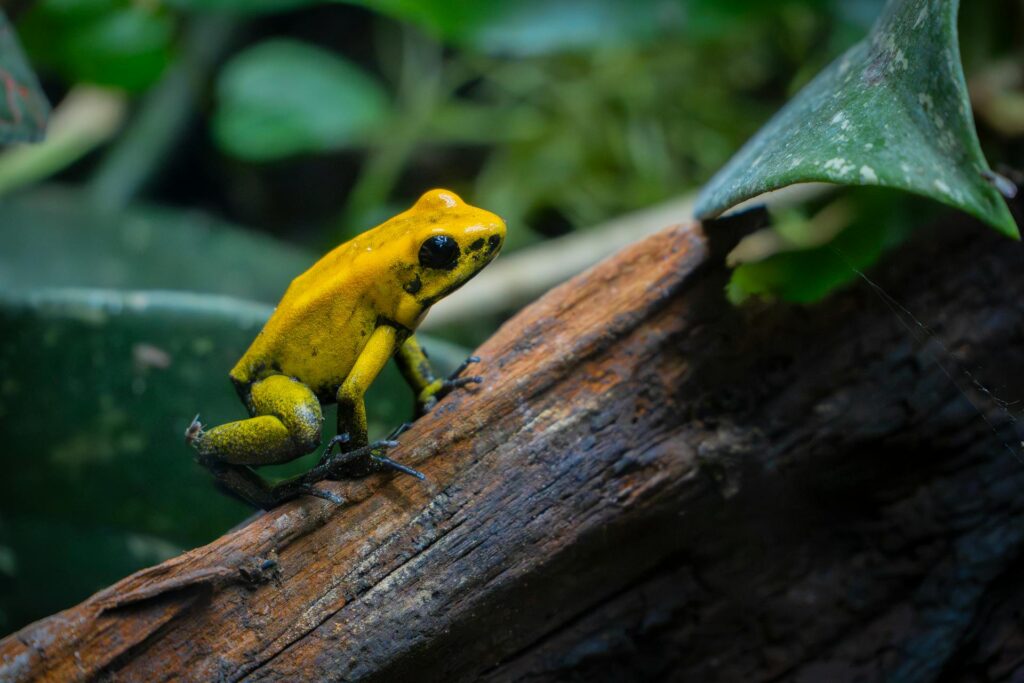
Rurrenabaque is one of the primary gateways to the Bolivian Amazon. From here, you will witness the transition from the Andes to the tropical rainforest before heading deeper into the jungle—by track or by river—to reach your lodge. You will have the opportunity to discover the Bolivian Amazon’s flora and fauna, which few travelers have yet to encounter.

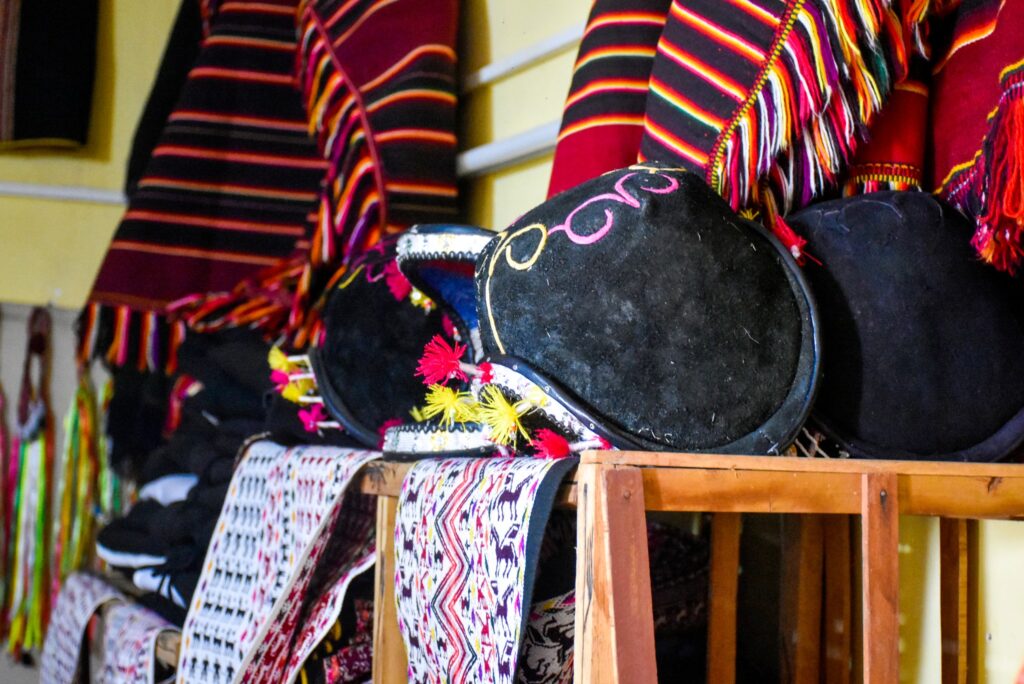
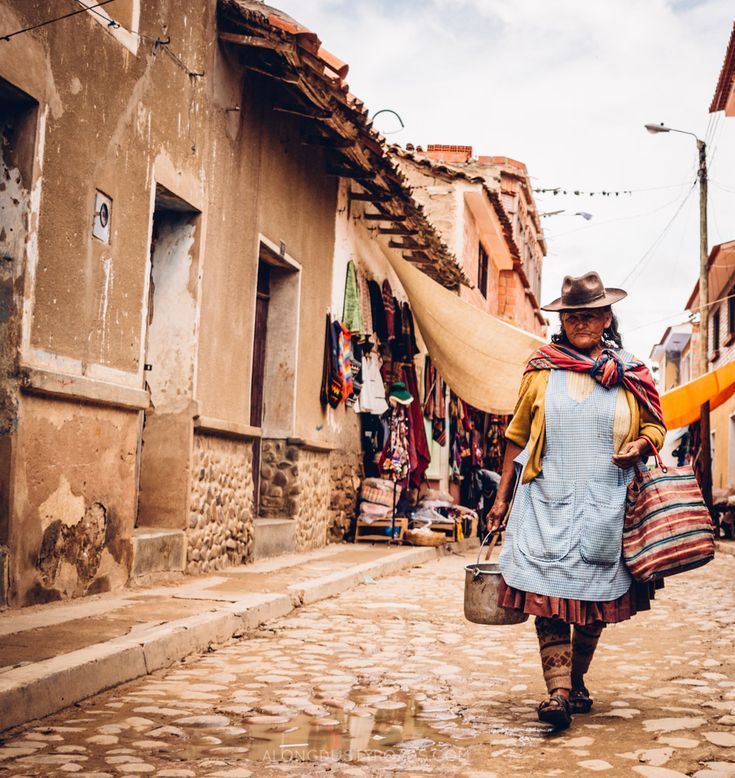
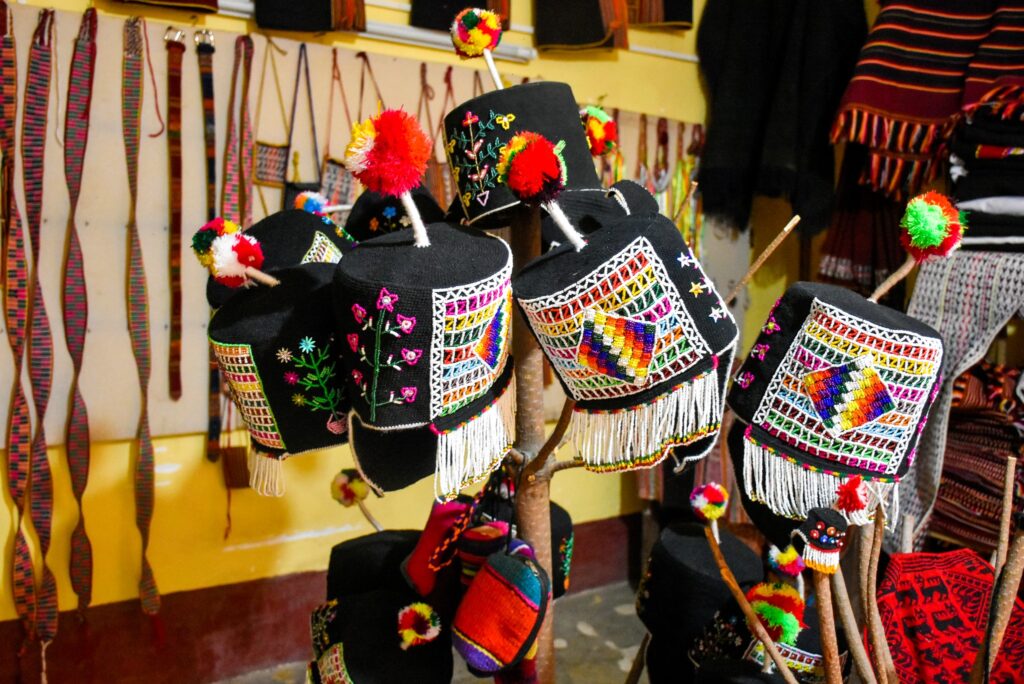
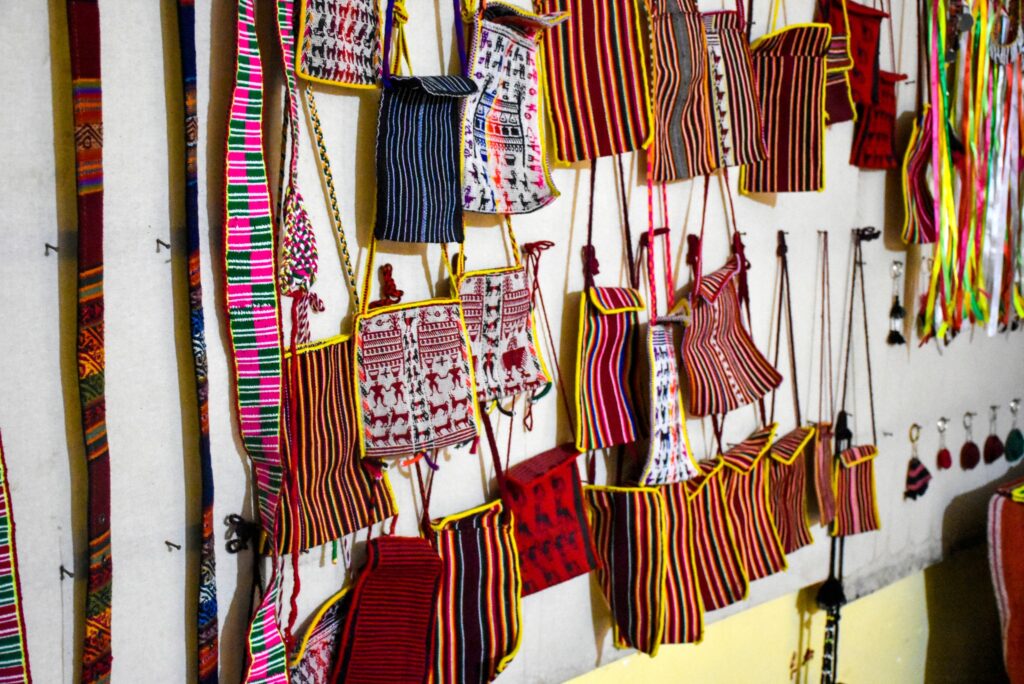
Markets hold a central place in Bolivia, setting the rhythm of life in both villages and cities. When you visit these indigenous markets, you will quickly understand their significance.
Organized around the local communities, they offer you a glimpse into skills and craftsmanship passed down through centuries. They are essential spaces for the social and economic life of the Bolivian Andes.

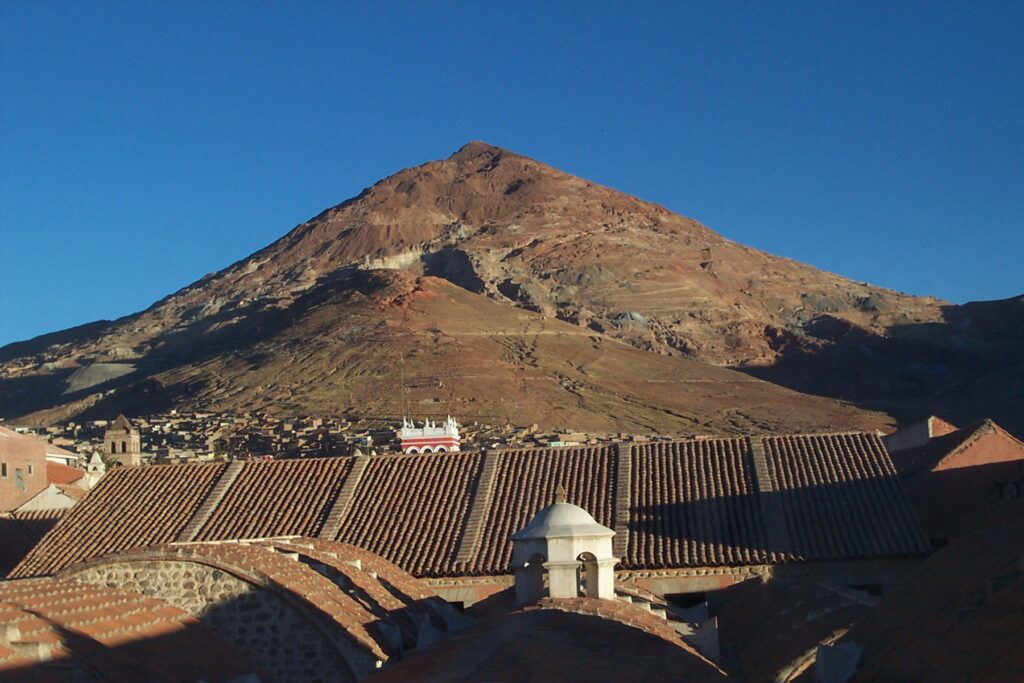
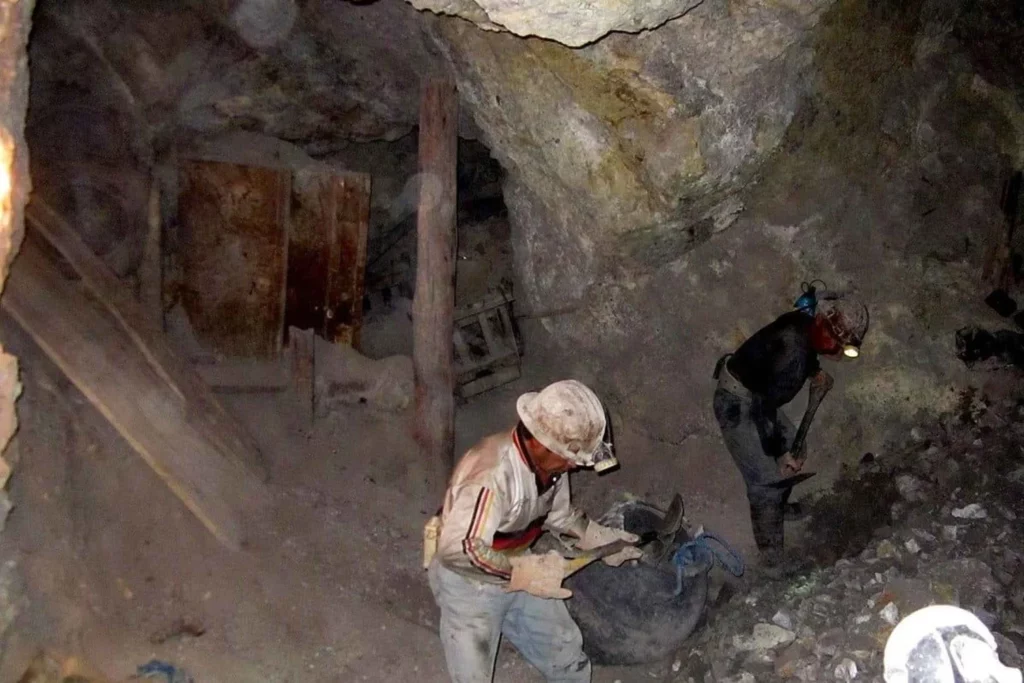
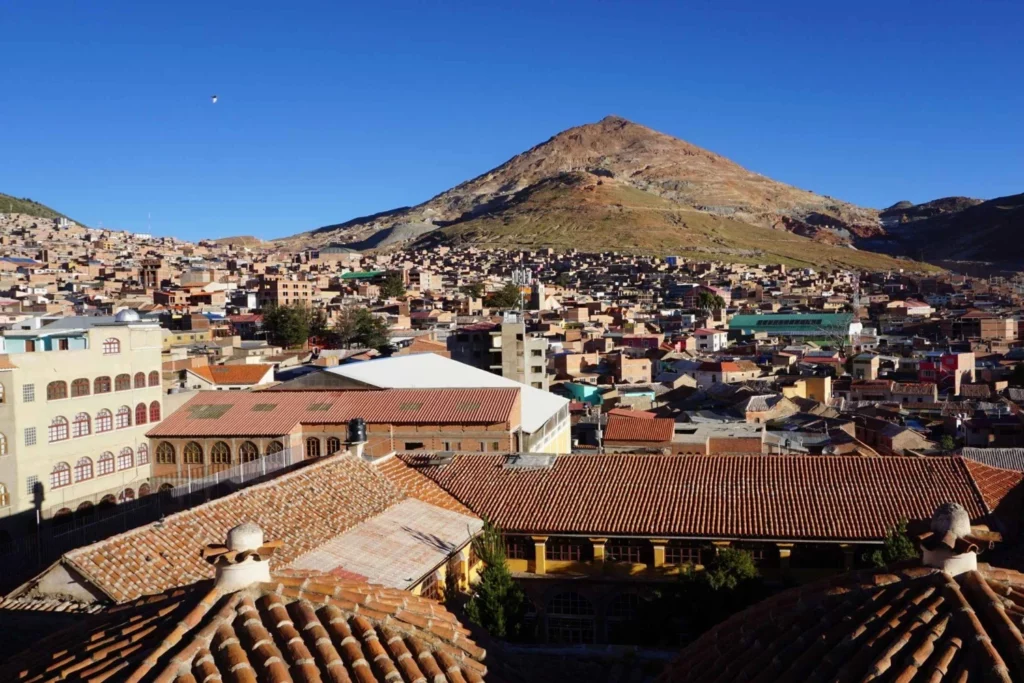
Visiting the Potosí region allows you to truly understand the culture that revolves around the mines and underground labor. These mines still hold a significant place in the lives of the local people today. Since colonial times, Potosí’s economic and social history has grown in importance, driven by its underground mining activities.

Which destination will you choose for your next trip?

Share
Discover South America with Pasión Andina