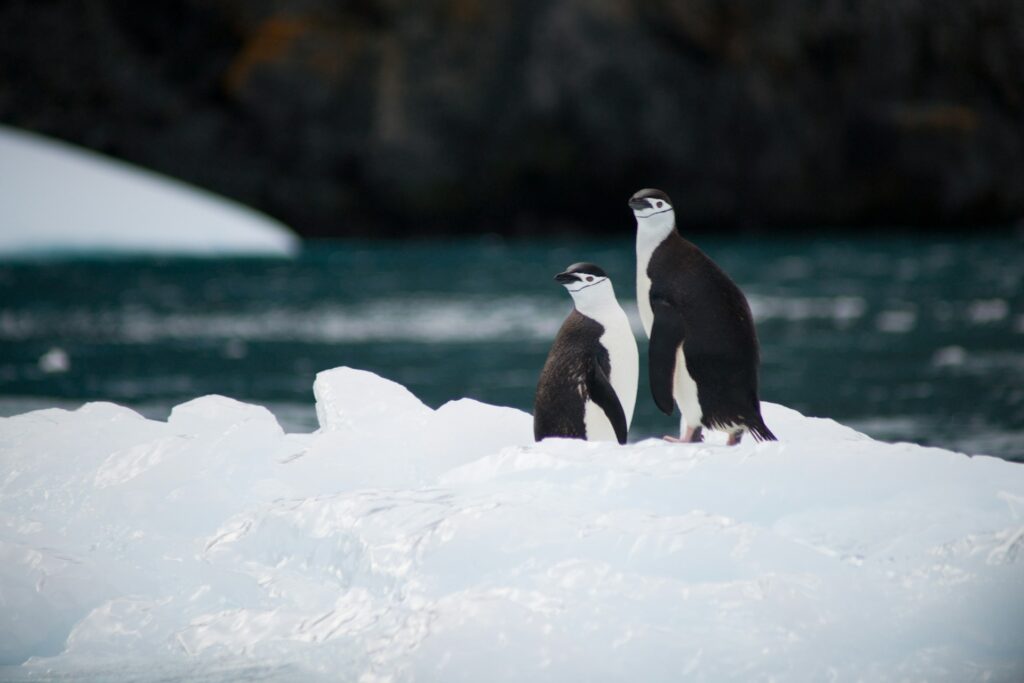
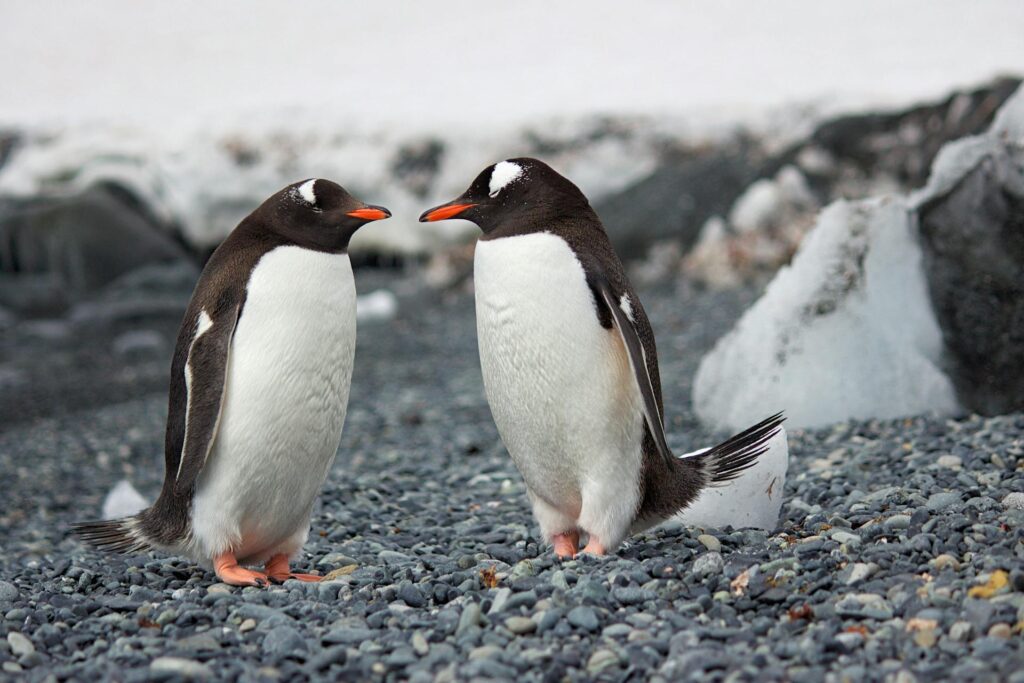
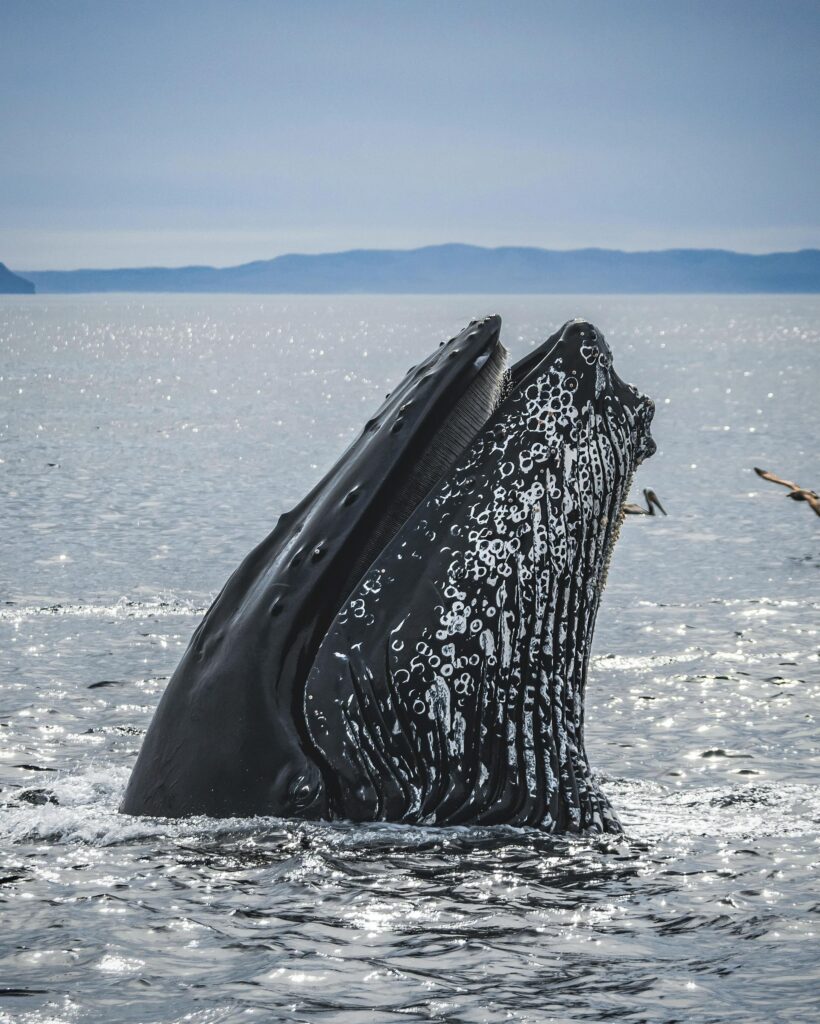
In Patagonia, wildlife watching depends on the seasons and a bit of luck. The region, which remains largely wild, allows you to observe all kinds of animals in their natural state. Although visits are strictly regulated to respect the animal“s environment, you may have the opportunity to see penguins or whales passing by.
Penguin colonies are primarily found along the Patagonian coastline, within nature reserves established for wildlife viewing. From well-marked trails or designated viewing areas, you can observe their behavior, daily movements and, depending on the season, nesting periods. This close proximity to the animalsāwhile strictly respecting mandatory guidelinesāoffers a unique window into their social organization and remarkable adaptation to a sometimes harsh environment.Ā
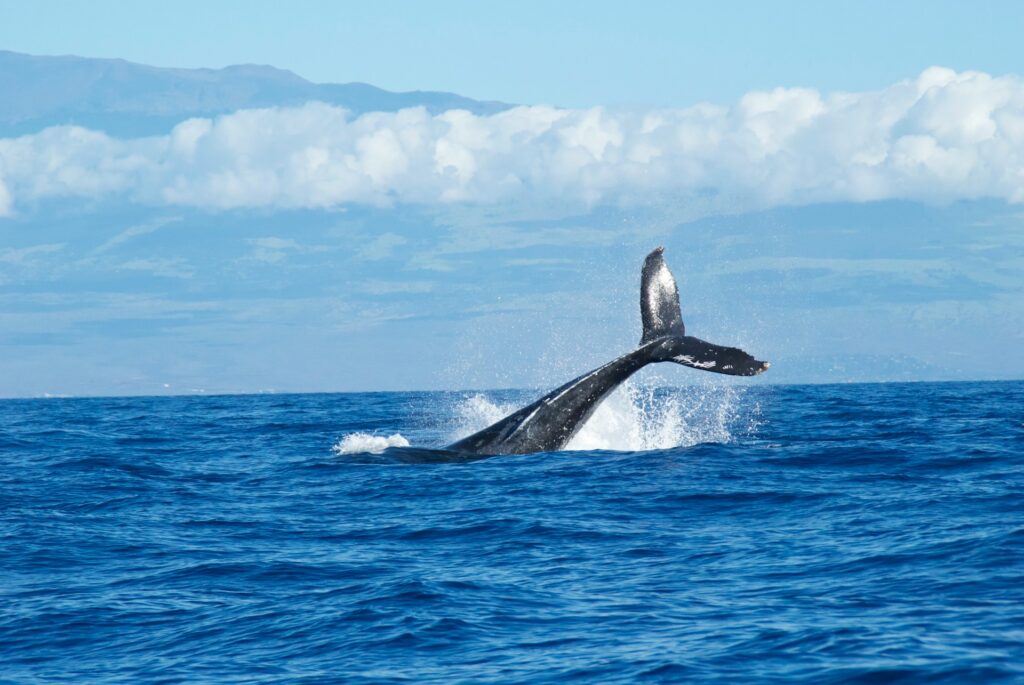
Patagonia is one of South Americaās premier destinations for spotting southern right whales. Between June and December, they migrate to these sheltered waters to mate and give birth. Boat excursions departing from authorized ports offer unforgettable, awe-inspiring moments as the whales surface, often accompanied by their newborn calves.
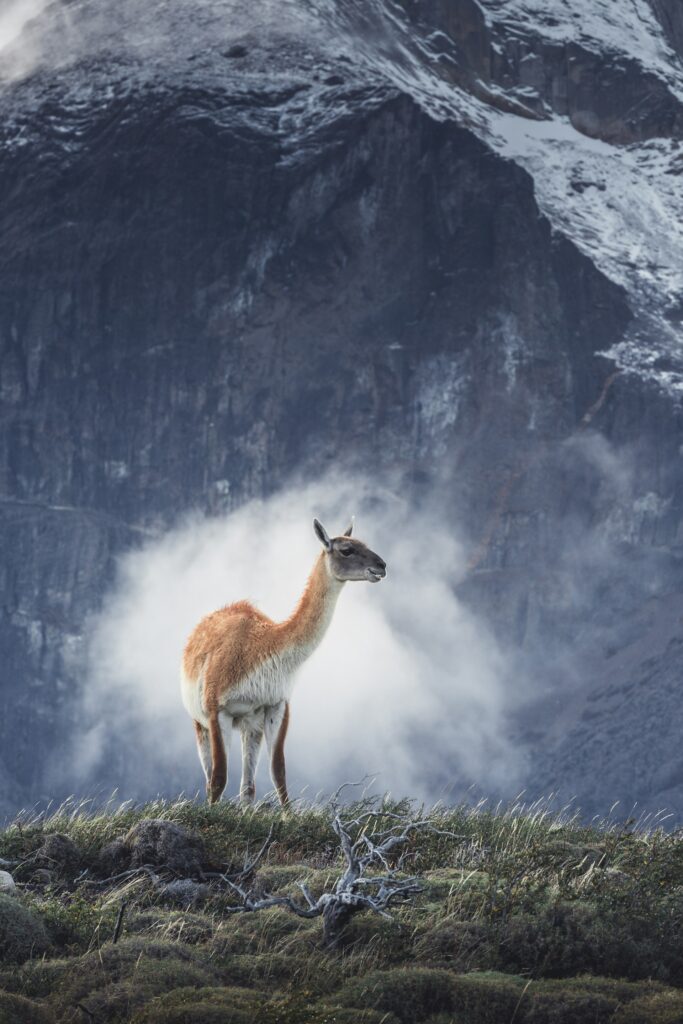
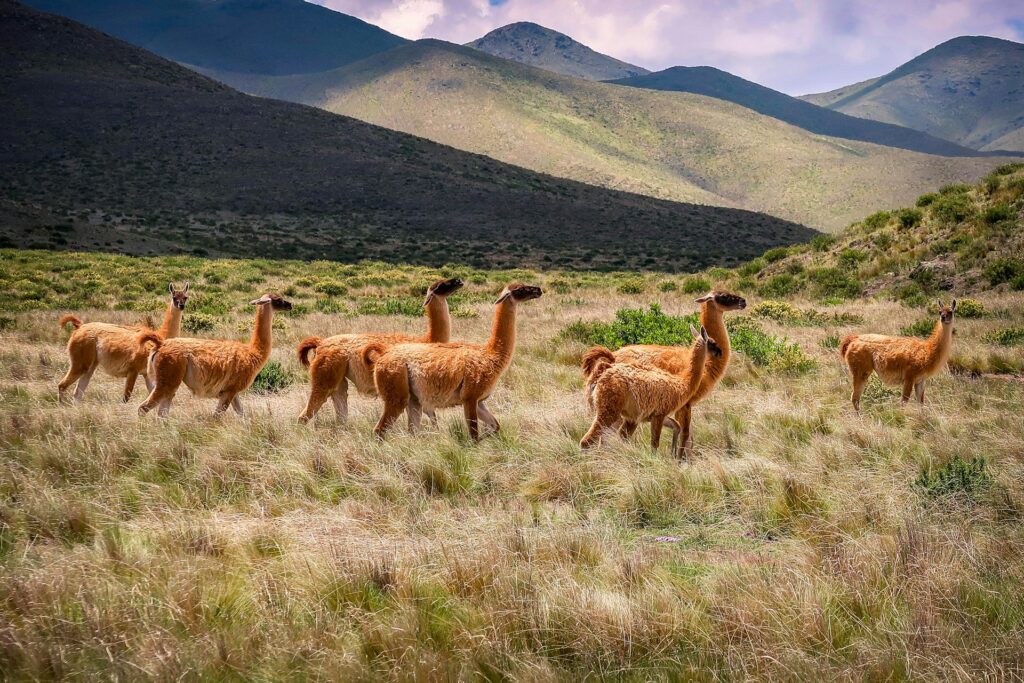
A true symbol of the vast Patagonian wilderness, guanacos roam freely across the steppes and open plateaus. They are frequently spotted in small herds, either from the road or during hikes through designated areas. Their presence adds a profound dimension to the scenery, deepening the sense of raw immensity and wild nature. These often-silent encounters serve as a reminder that Patagonia is, above all, a living landāshaped by its wildlife just as much as by the wind and the landforms.
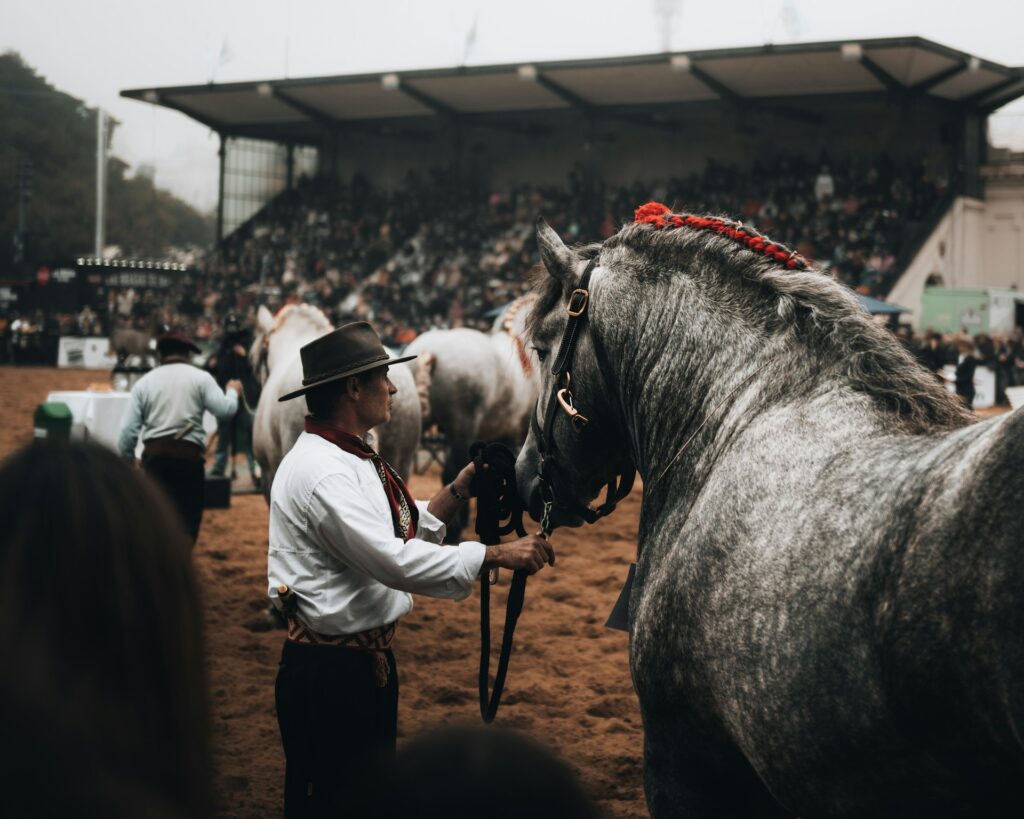
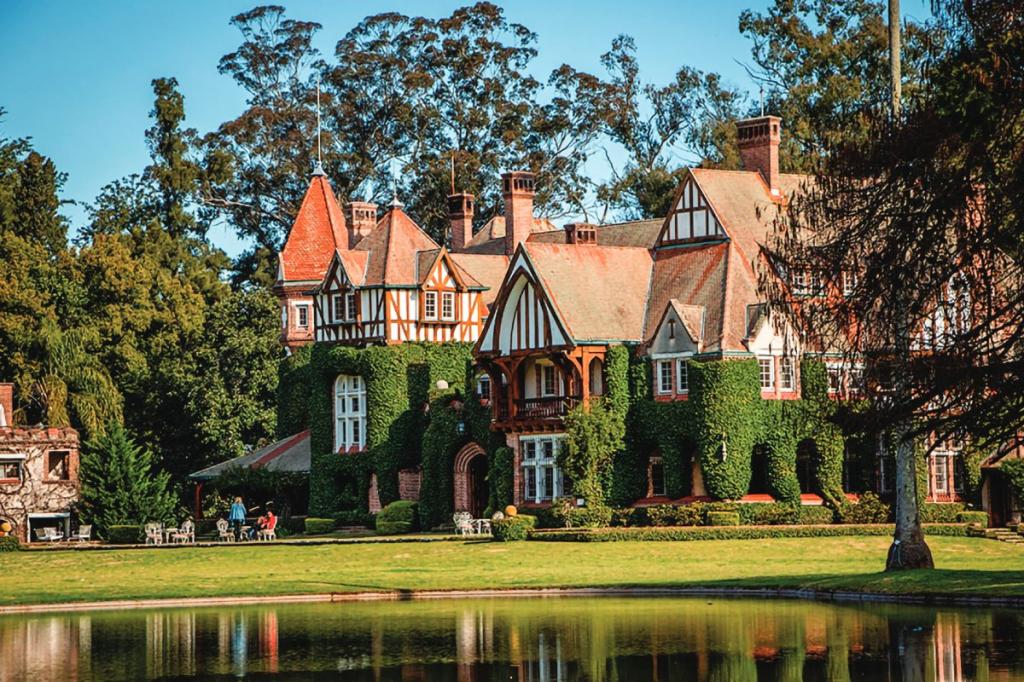
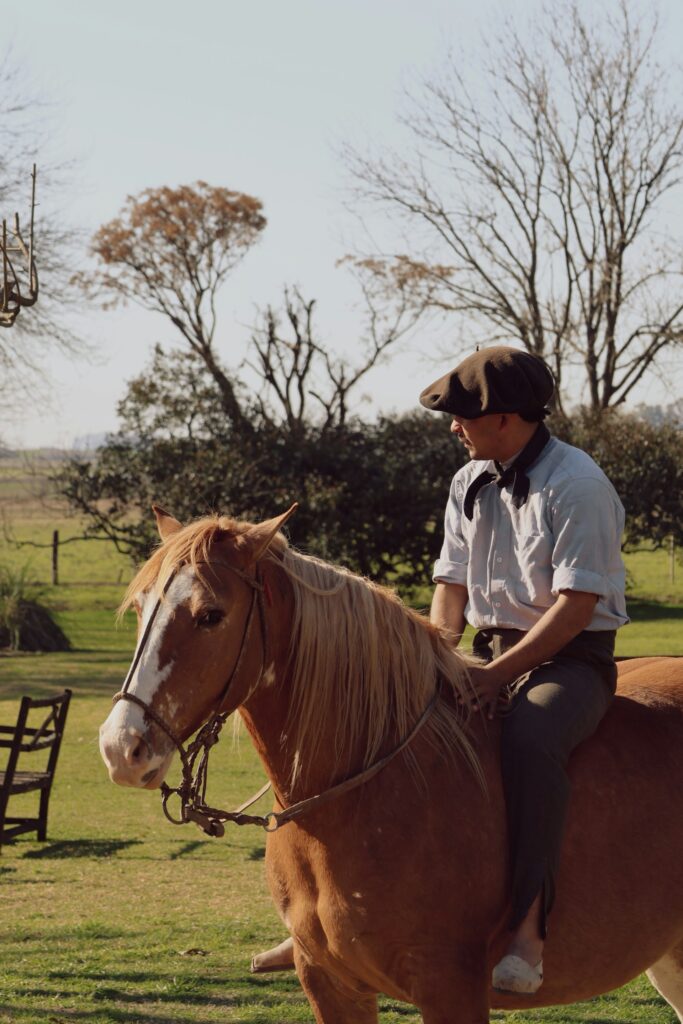
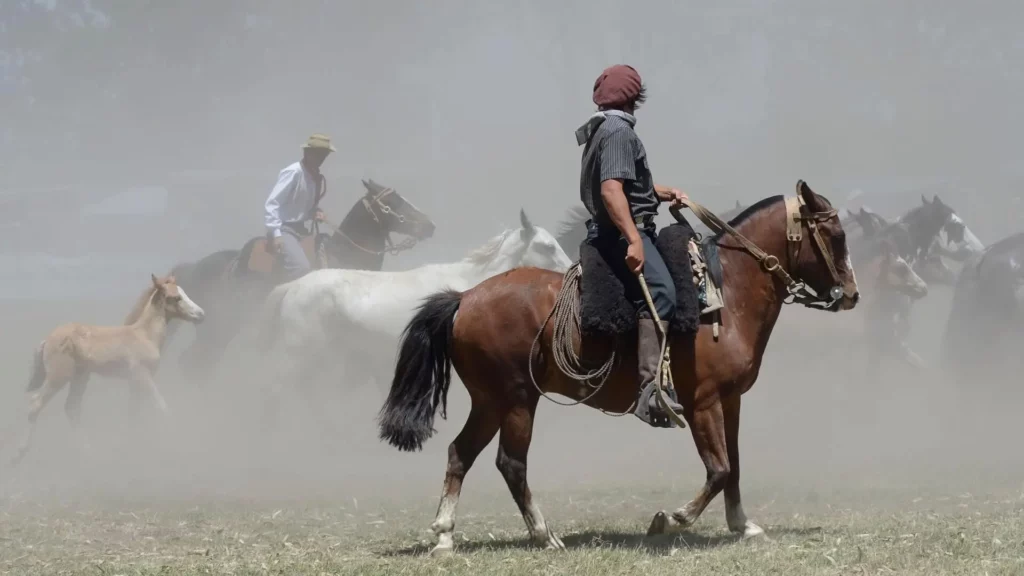
Estancias offer a tangible immersion into rural Argentina, whether in the Pampa or Patagonia. These are working agricultural properties, often centered on livestock. By staying with the farm owners, you can observe their daily lives and even take part in them. This includes, among other things, herd management, land maintenance, and the organization of work.
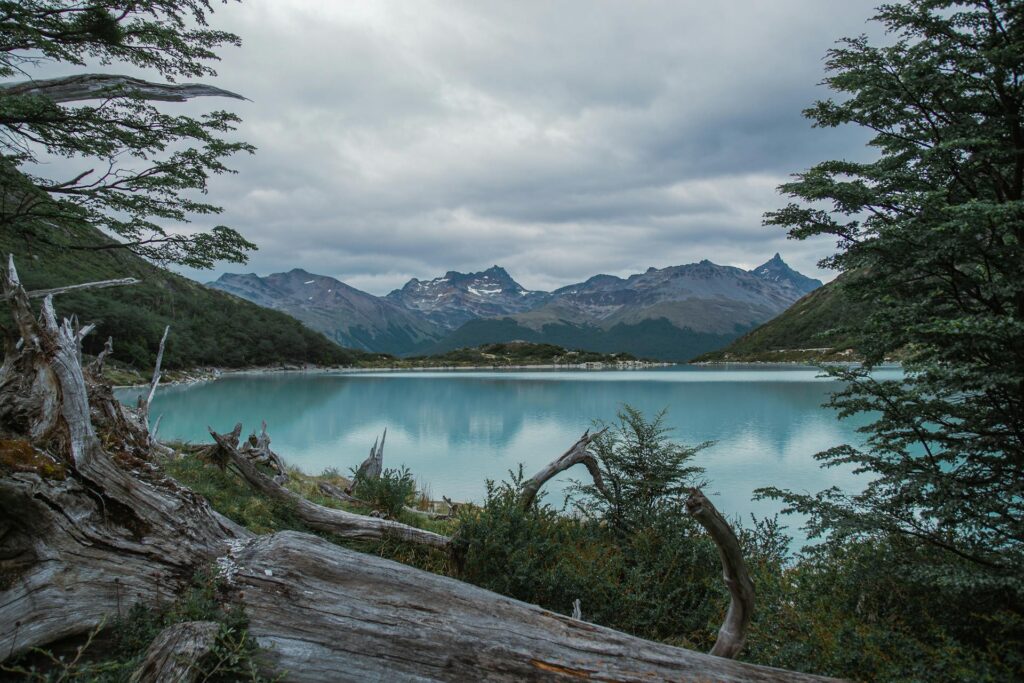
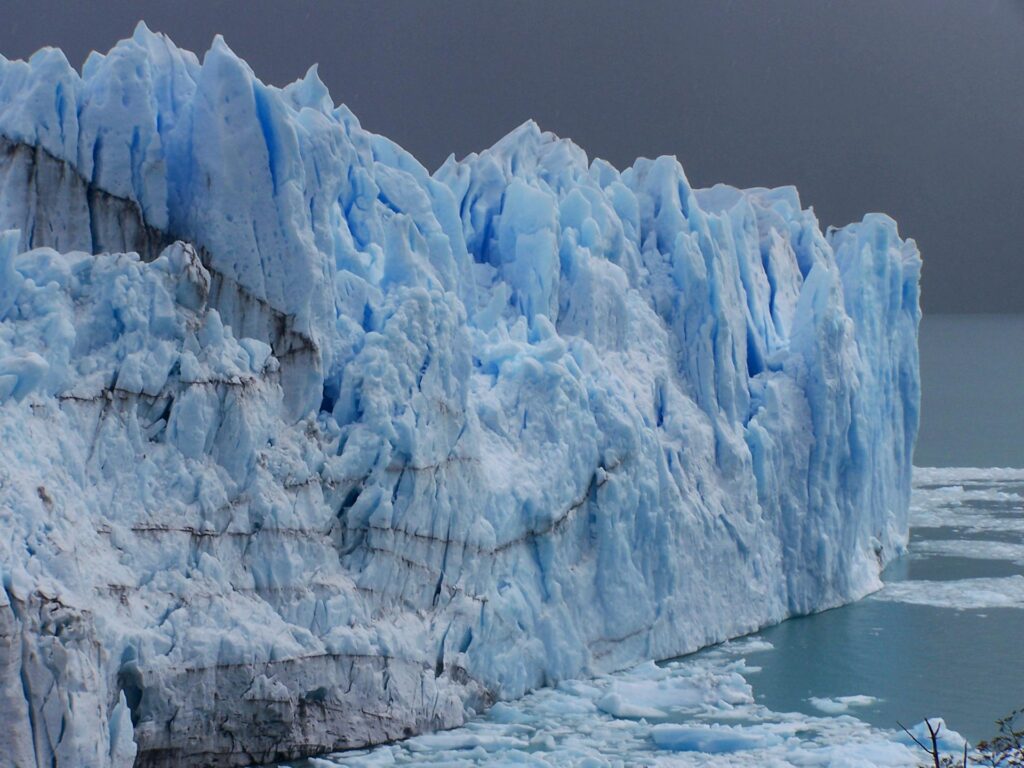
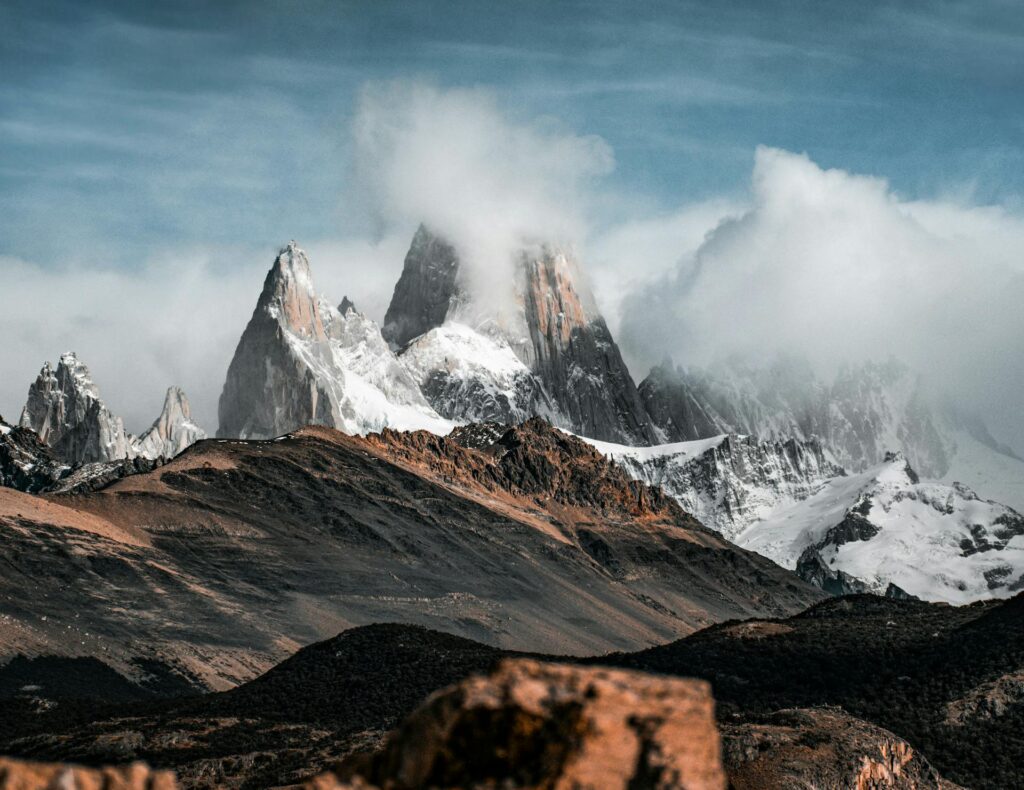
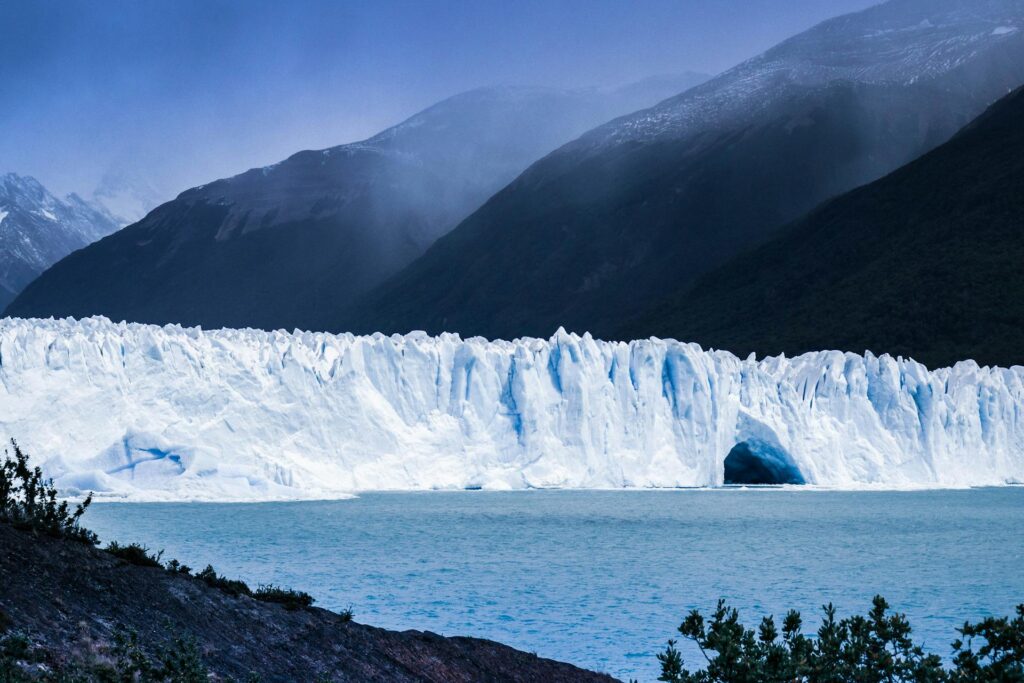
Patagonia offers an immersion into vast and powerful landscapes, shaped by ice, wind, and spectacular reliefs.
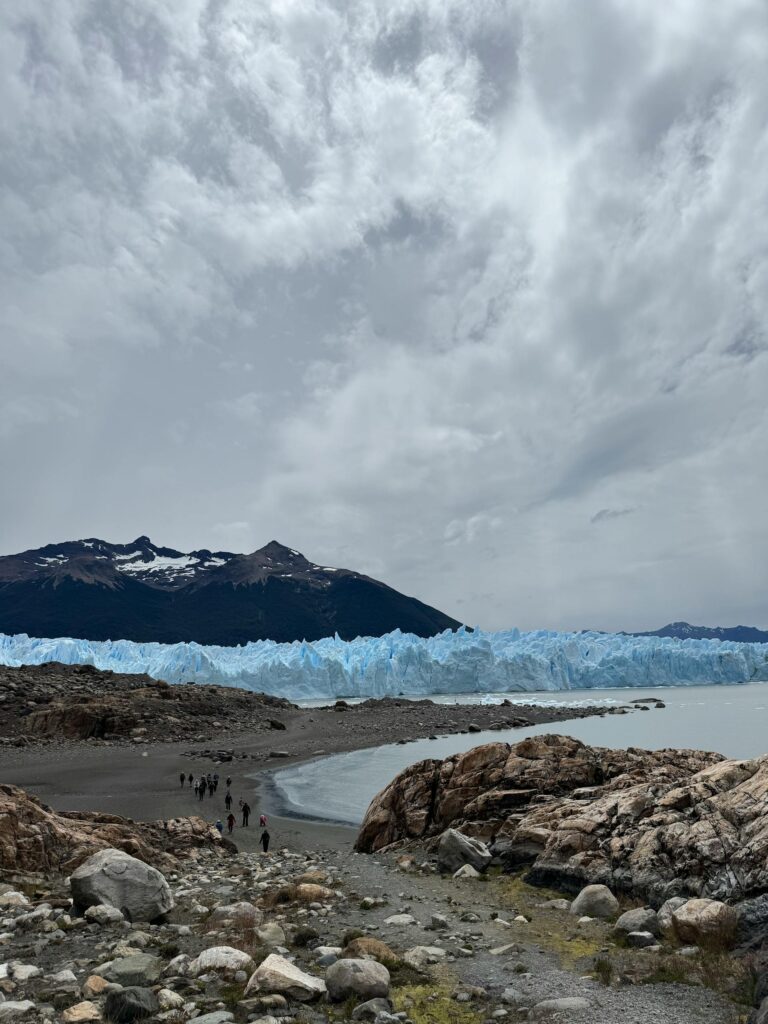
You will travel through protected national parks, where itineraries alternate between trekking, scenic viewpoints, and, depending on the area, boat excursions to get as close as possible to the glaciers.
Here, the weather plays a central role and often dictates the pace of the outings. So, a little patience is all it takes for the conditions to clear and reveal the landscapes at their best.
In Patagonia, wildlife watching depends on the seasons and a bit of luck. The region, which remains largely wild, allows you to observe all kinds of animals in their natural state. Although visits are strictly regulated to respect the animal“s environment, you may have the opportunity to see penguins or whales passing by.
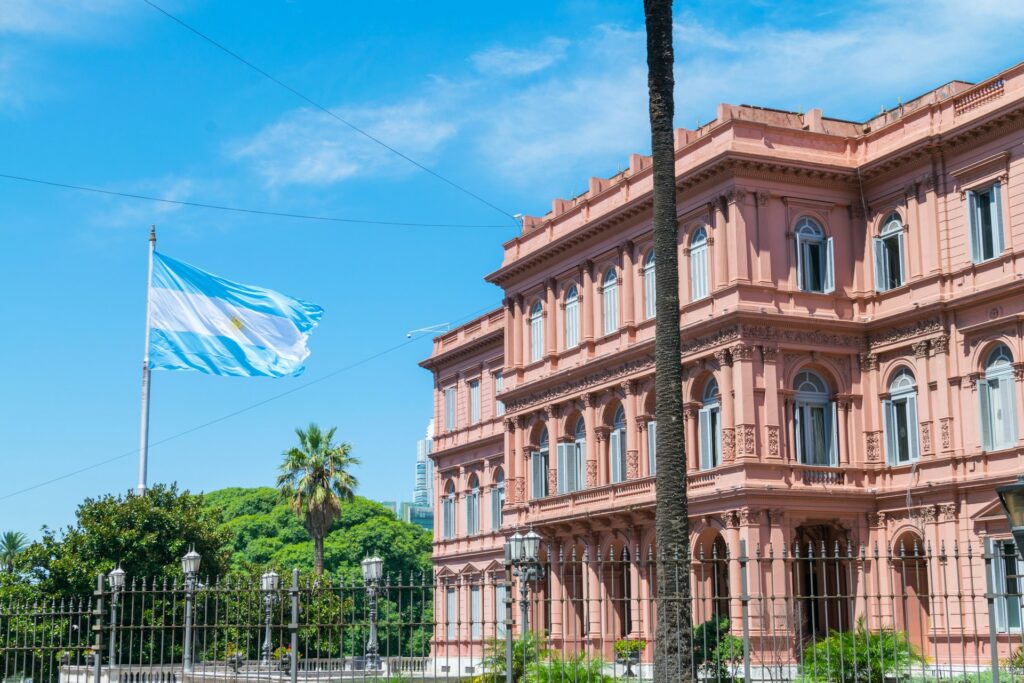
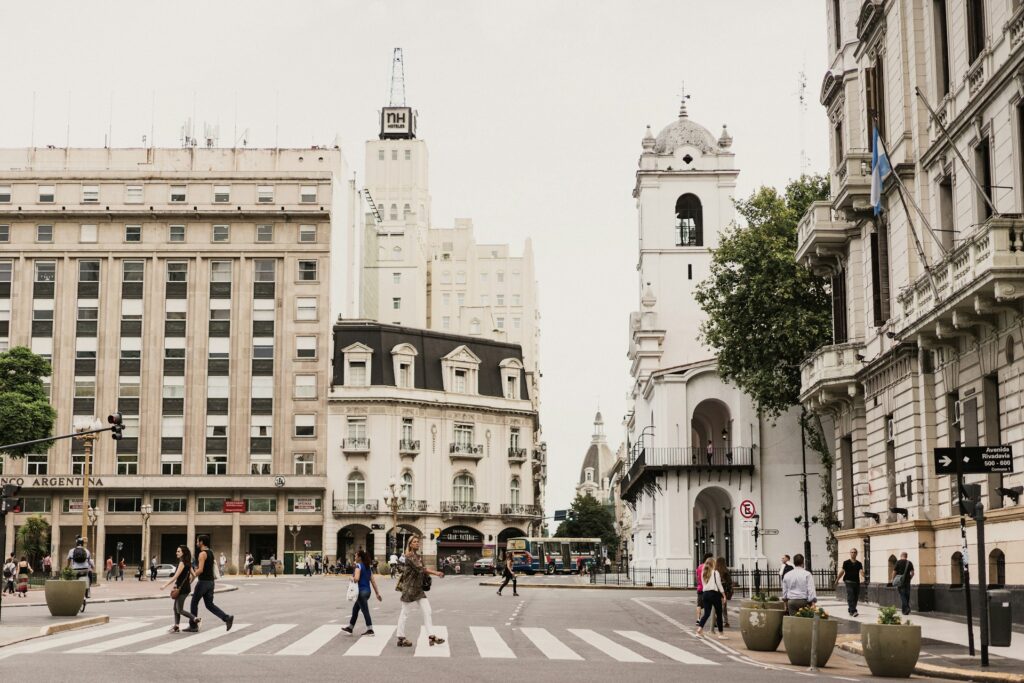
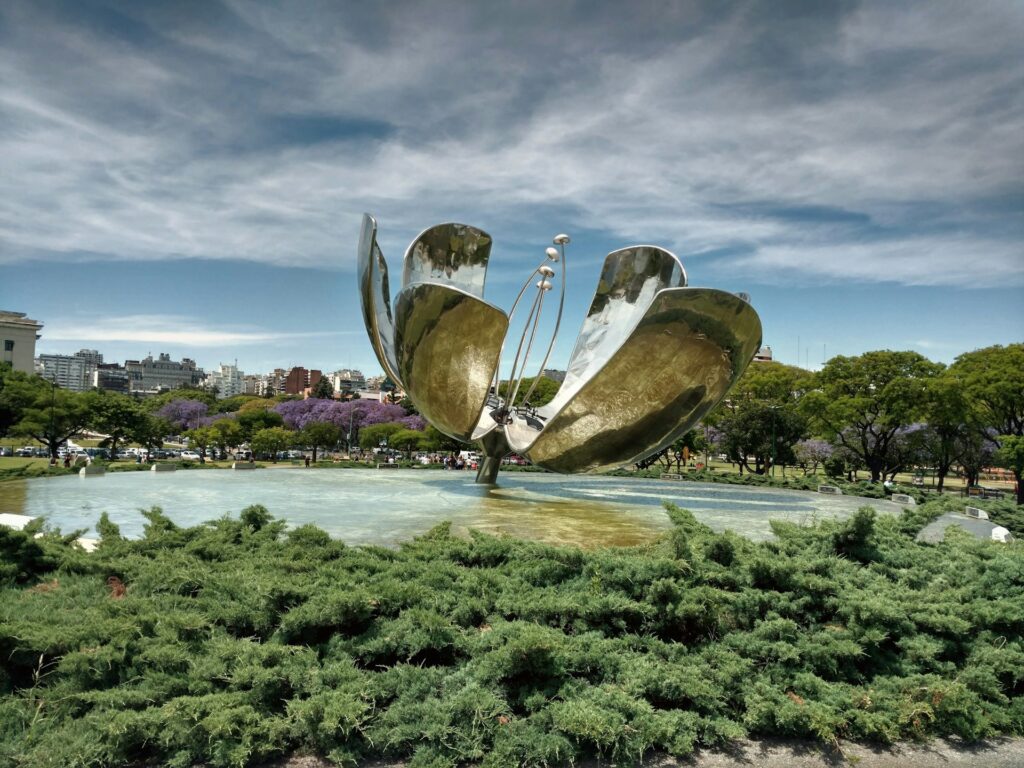
Buenos Aires is a city meant to be lived as much as visited. Each neighborhood has its own rhythm, habits, and meeting spots, giving the capital a rich and contrasting identity. Tango and gastronomy hold a central place in the daily lives of its people, blending popular traditions with the heritage of immigration.
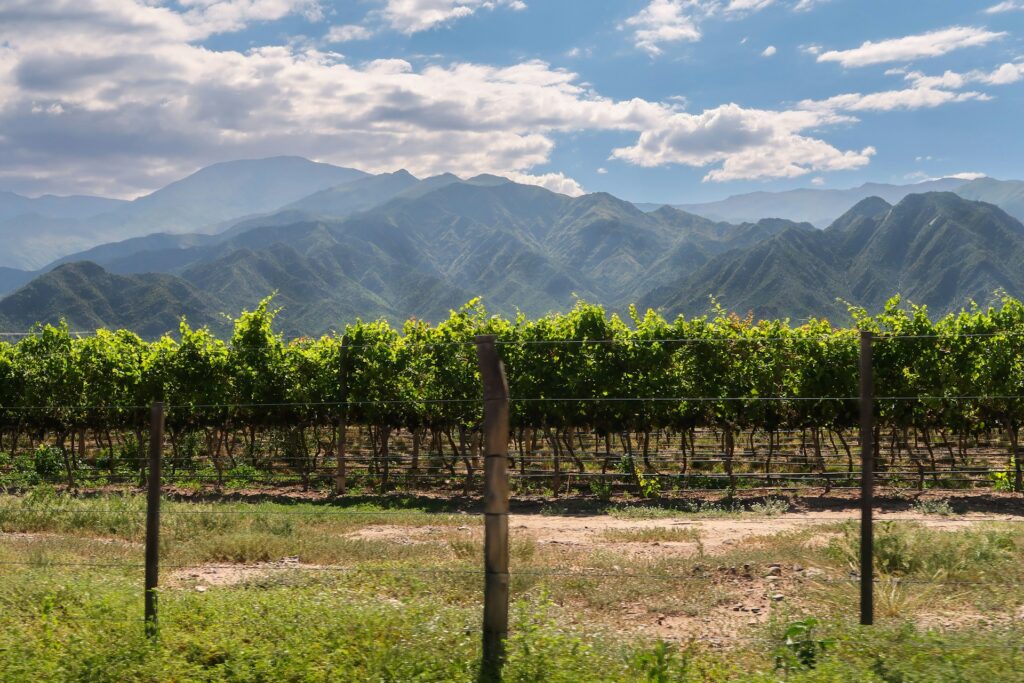
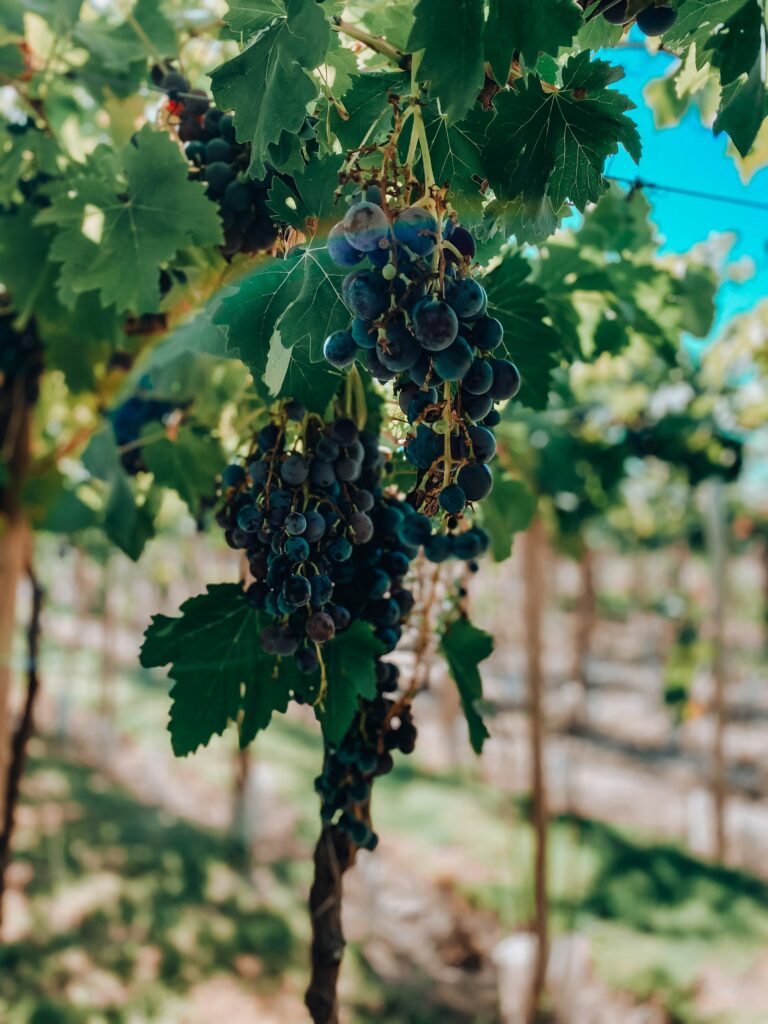
High-altitude wines come from vineyards often situated above 1,000 meters. The intense sunshine, cool nights, and mineral-rich soils perfectly balance grape ripening, creating distinct aromatic profiles with a vibrant natural acidity.
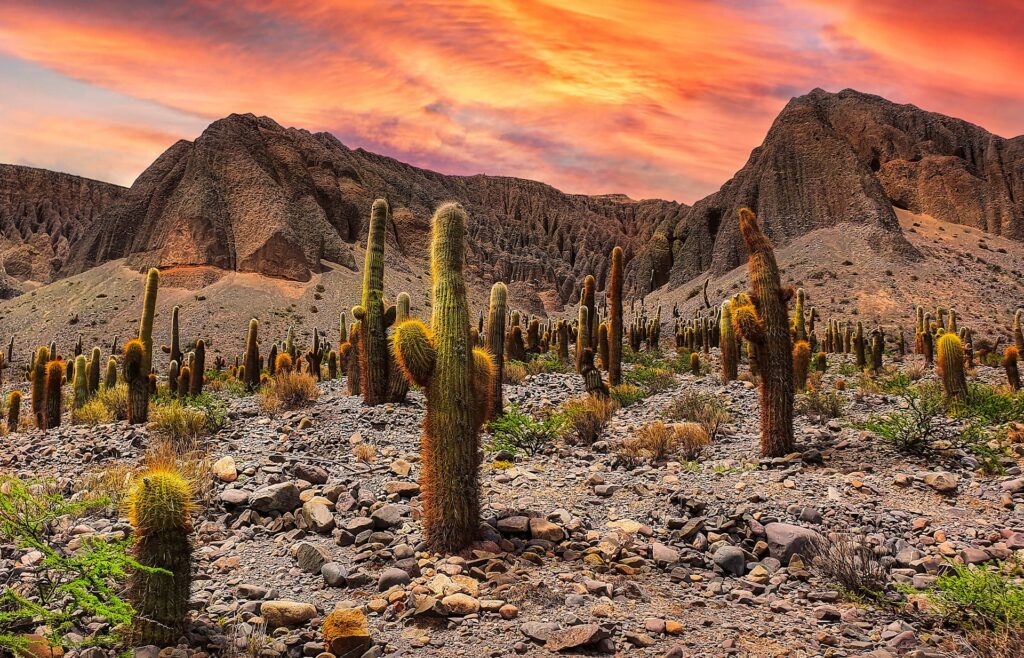
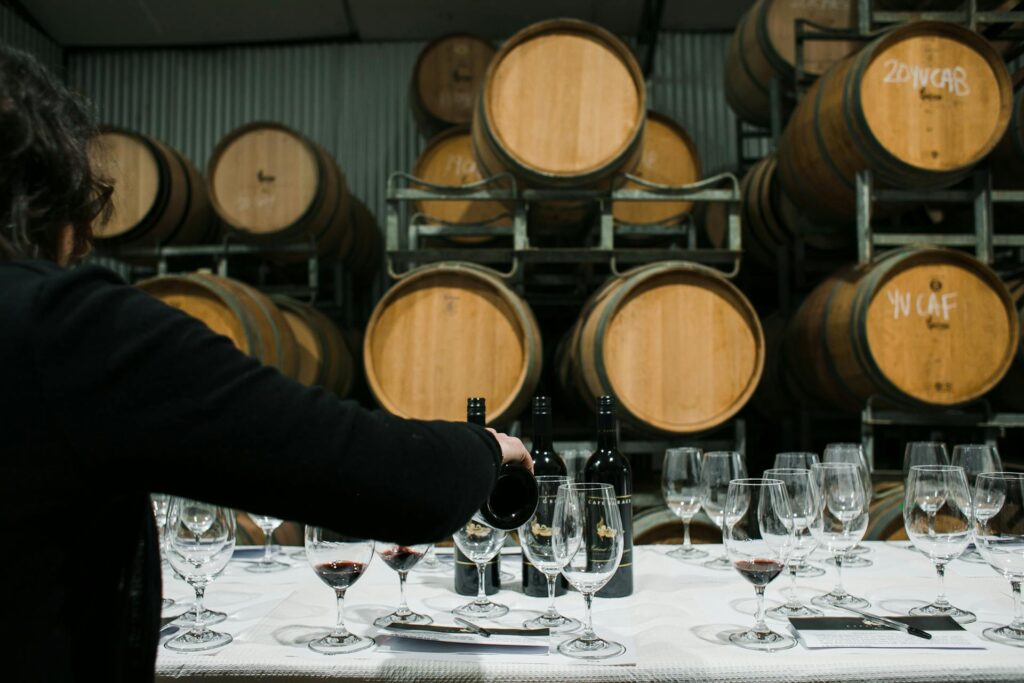
Argentine vineyards are best discovered through their natural elements: altitude, aridity, thermal amplitude, and precise irrigation. From Cafayate to Mendoza, bodega visits reveal how these unique factors shape viticulture and the overall style of the wines. Enjoy guided tastings throughout the vineyards to deepen your understanding of grape varieties, soils, winemaking, and the seasonality of the harvest