PERU

Mystery and Energy: Sacred Sites & Andean Ceremonies

Machu Picchu

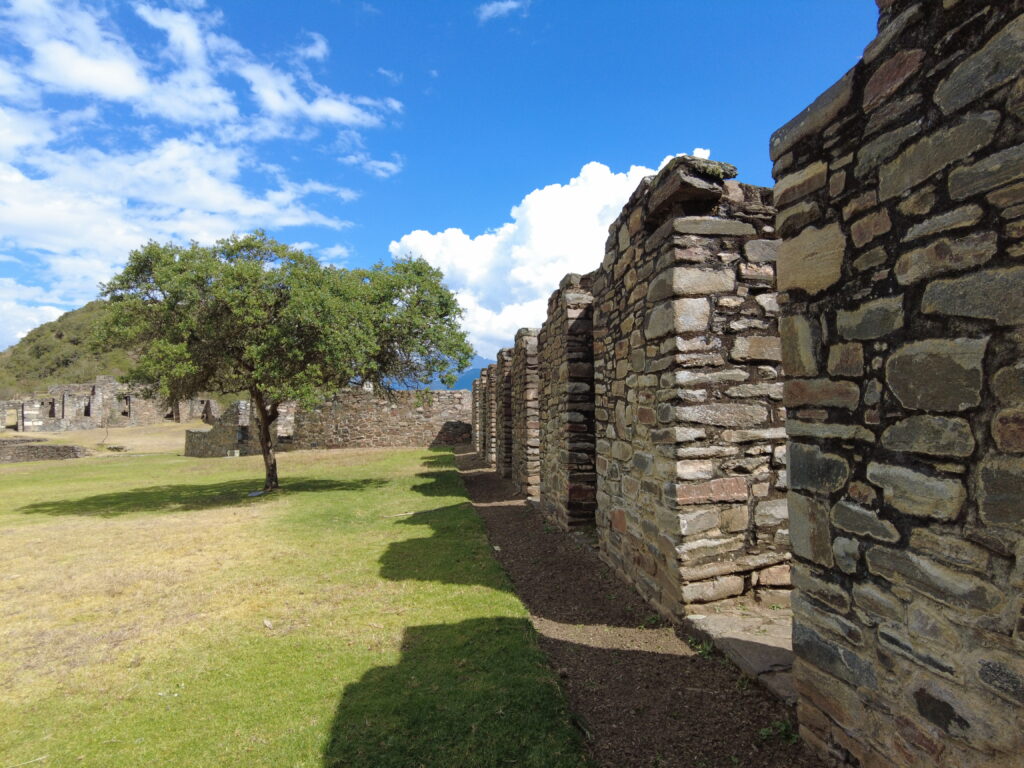
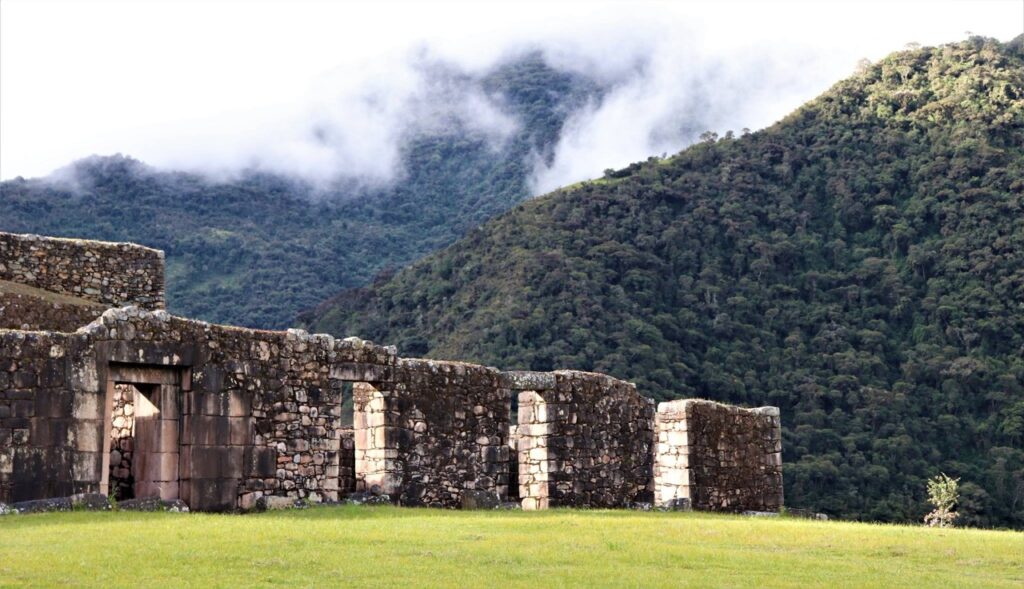
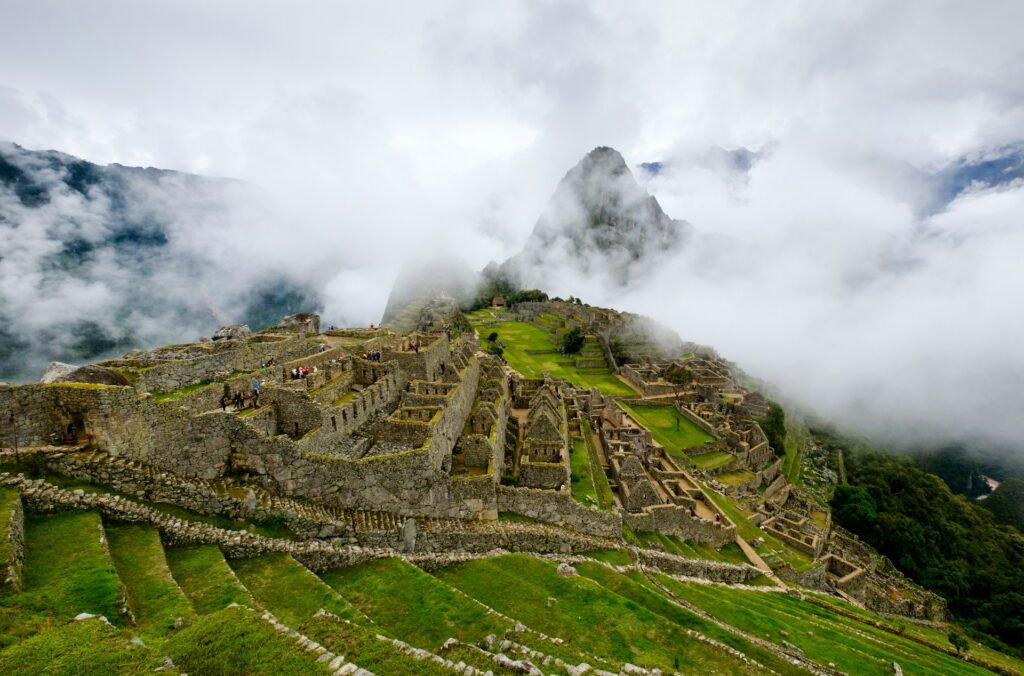
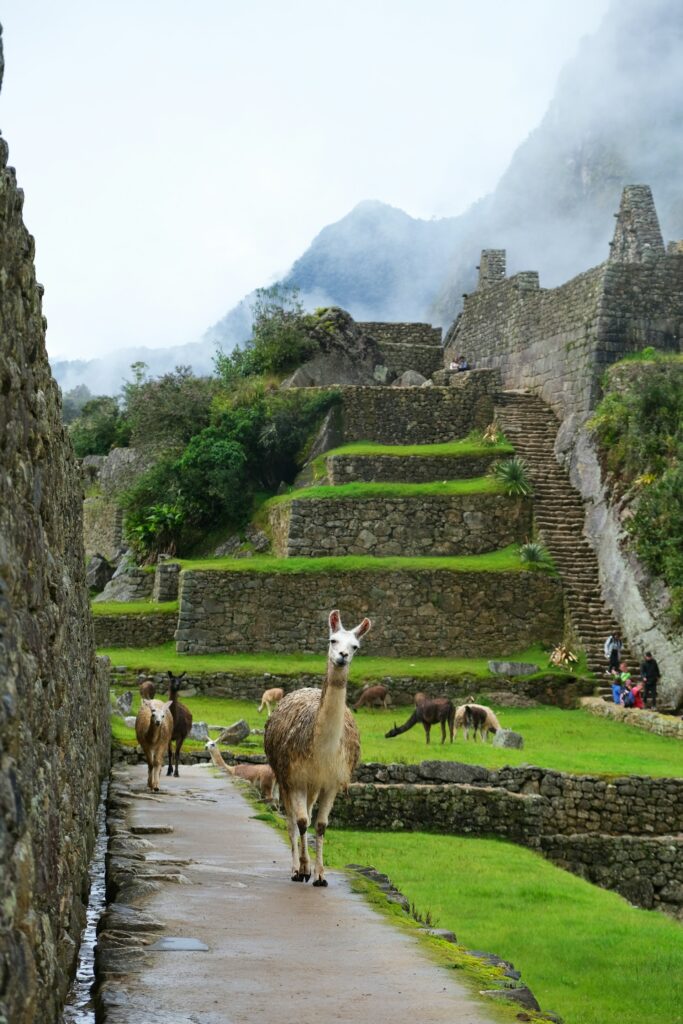
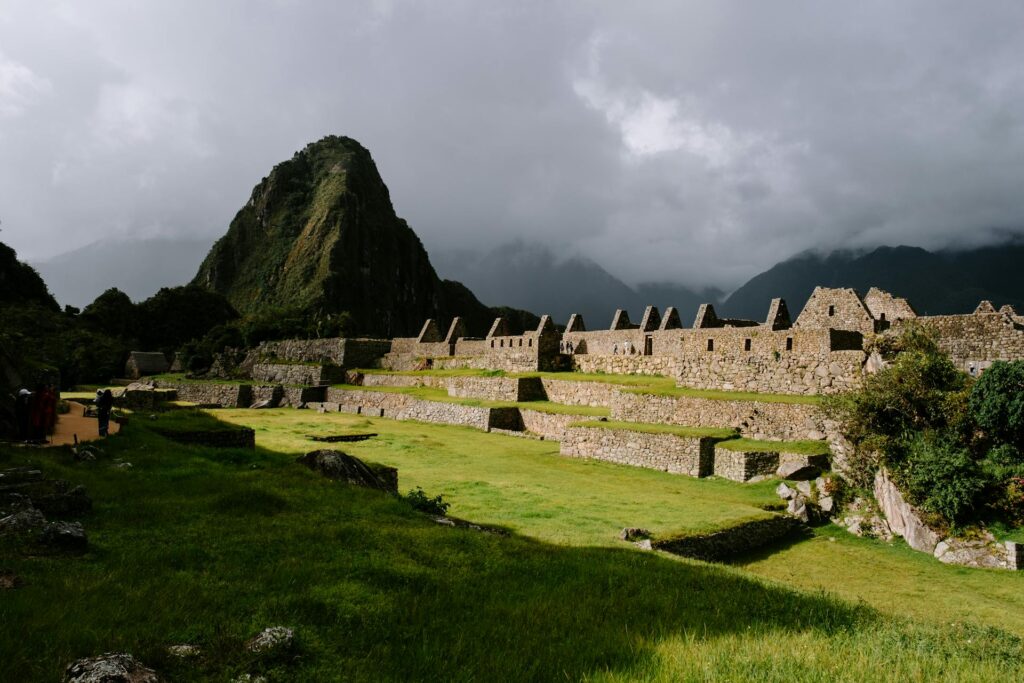
Machu Picchu is an Inca archaeological site whose exact function remains a subject of ongoing debate among scholars. Archaeological research points to a complex that served residential, ceremonial, and agricultural purposes alike, organized around precise principles of orientation, water management, and integration into the landscape. A meeting with an archaeologist specializing in Inca culture and cosmovision will give you a deeper understanding of the site’s sacred nature.

Pago a la Pachamama

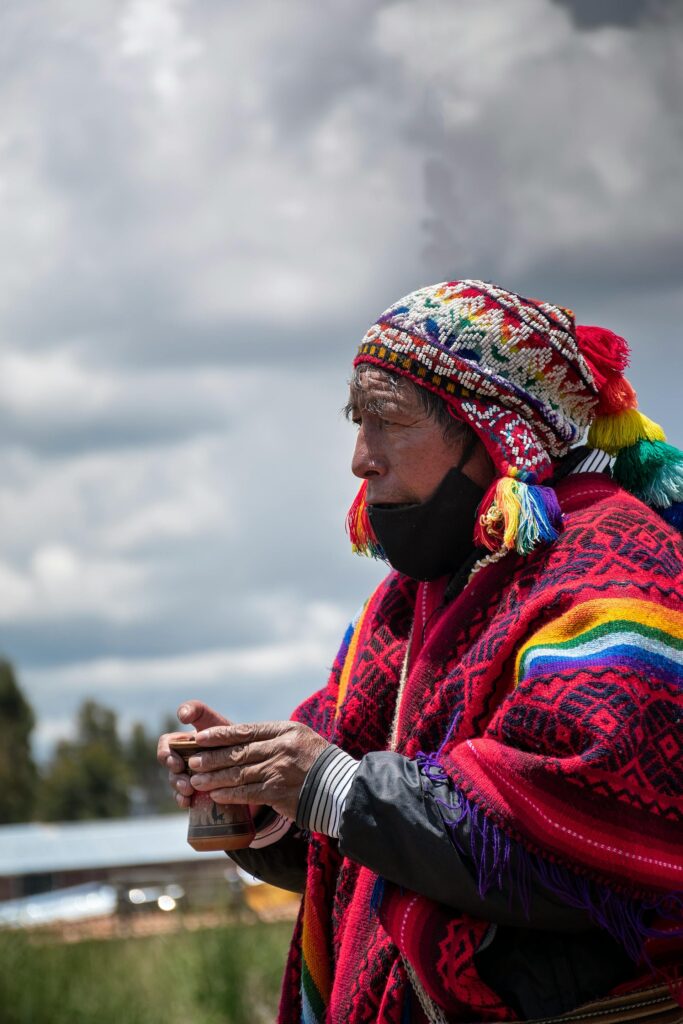
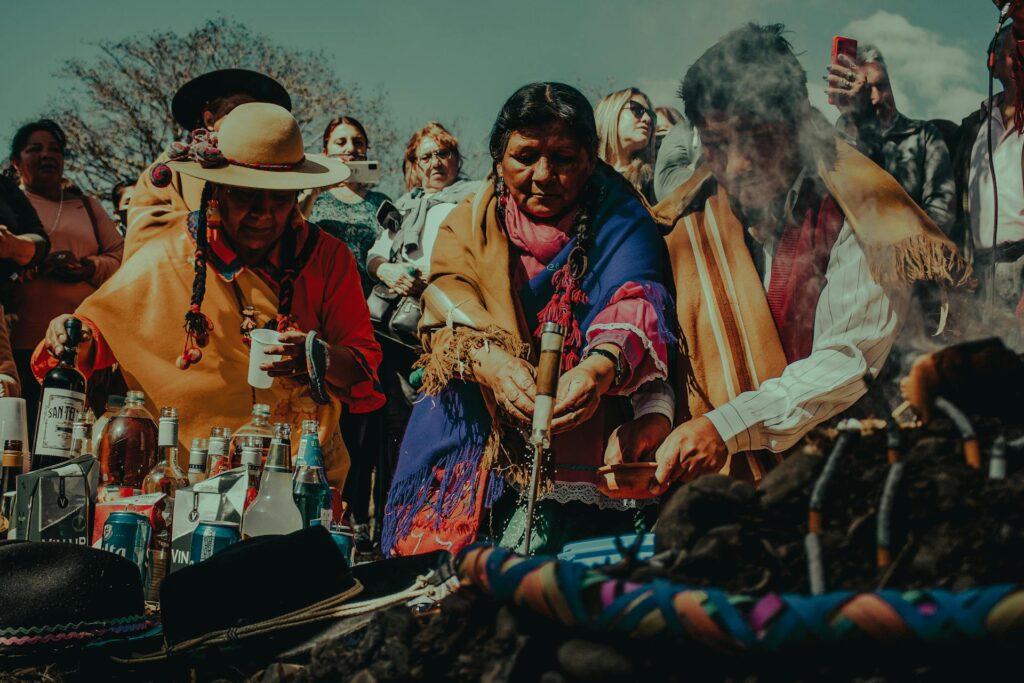
The Pago a la Pachamama is a ritual offering made to Mother Earth, a practice that endures today within Andean communities. Performed by a shaman, this ceremony serves as an expression of gratitude to Mother Earth for her daily abundance. It takes place during pivotal moments and follows a precise protocol, fostering a profound connection to the land.

Despacho AndinO

The Despacho Andino is a ritual offering composed of symbolic elements arranged in a codified order. This practice aims to establish harmony between the individual, the community, and the environment. It is a powerful ceremony of gratitude in which you will have the opportunity to participate.

Qoricancha

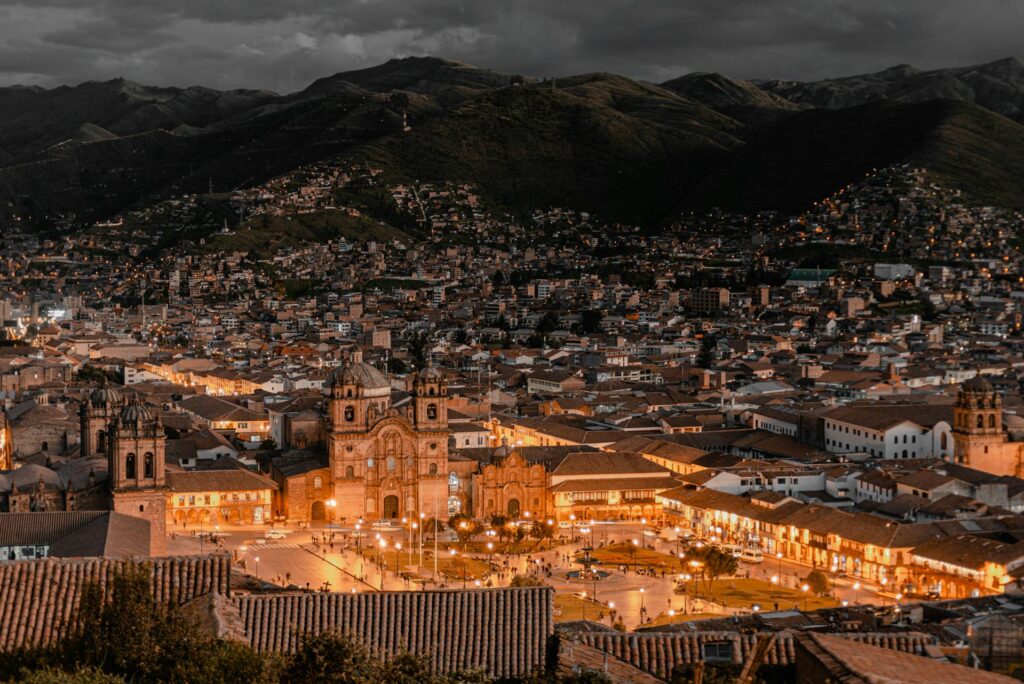
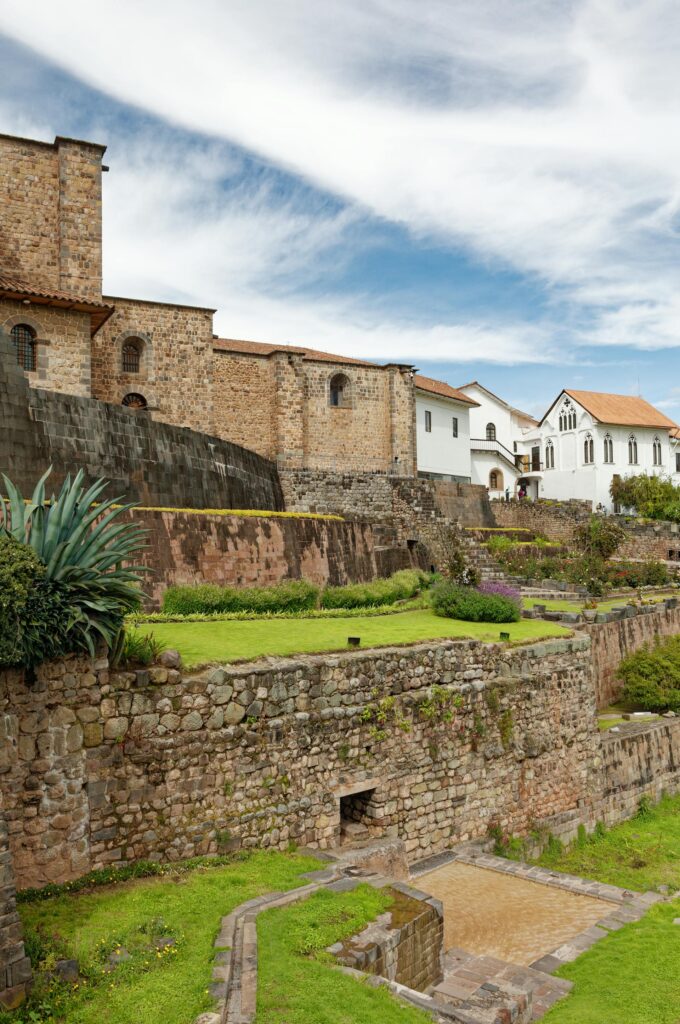
Located in the heart of Cusco, the Qoricancha was the primary religious center of the Tawantinsuyu.
Dedicated to the worship of the Sun, with its walls once covered in gold, it stood as a central hub in both ceremonial and political organization. The ruins visible today showcase Inca architectural mastery, evident in their precise stonework and the symbolic layout of the spaces.
A visit here is an essential stop when you arrive in Cusco, offering insight into its vital role within the Andean cosmovision and why it remains a sacred site.

Saqsayhuaman

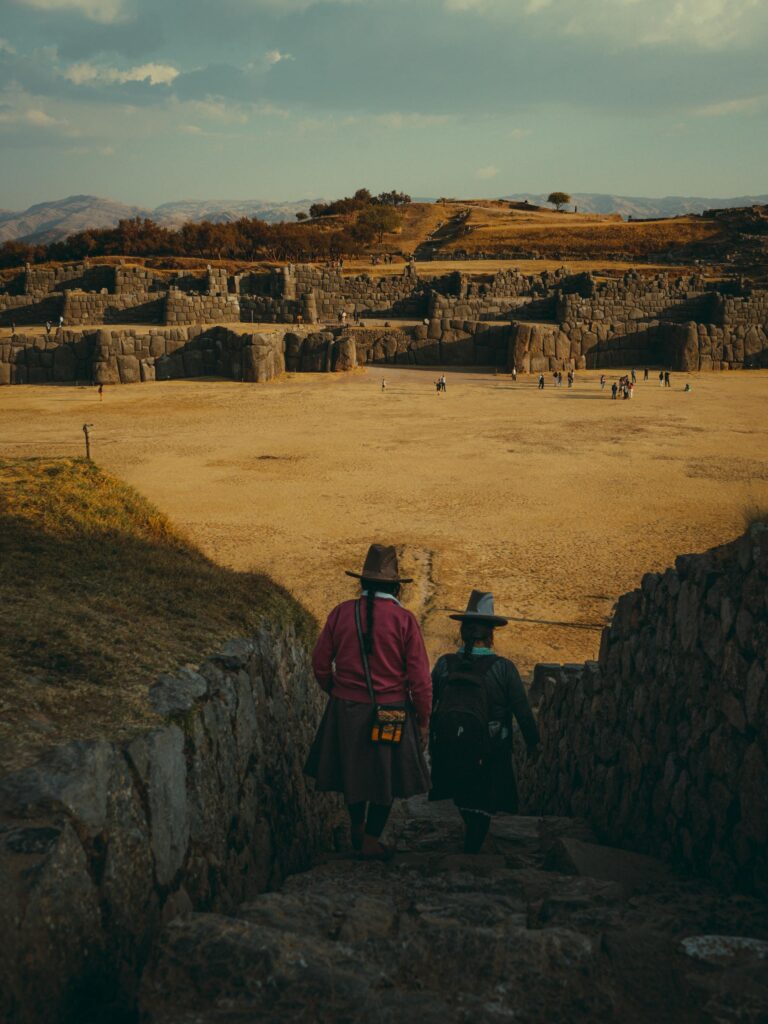
Saqsayhuamán is a vast architectural complex overlooking Cusco, whose function combined military, ceremonial, and symbolic purposes. The site is one of the four ruins of Cusco—four iconic landmarks of the ancient Inca capital. The technical mastery of the Incas is breathtaking, leaving visitors to wonder at the sheer feasibility of such massive engineering.
To this day, the archaeological site remains a sacred place for the people of Cusco. It is a space where one can feel a unique, powerful energy—a place where you could spend days simply taking it all in.

Lake Titicaca

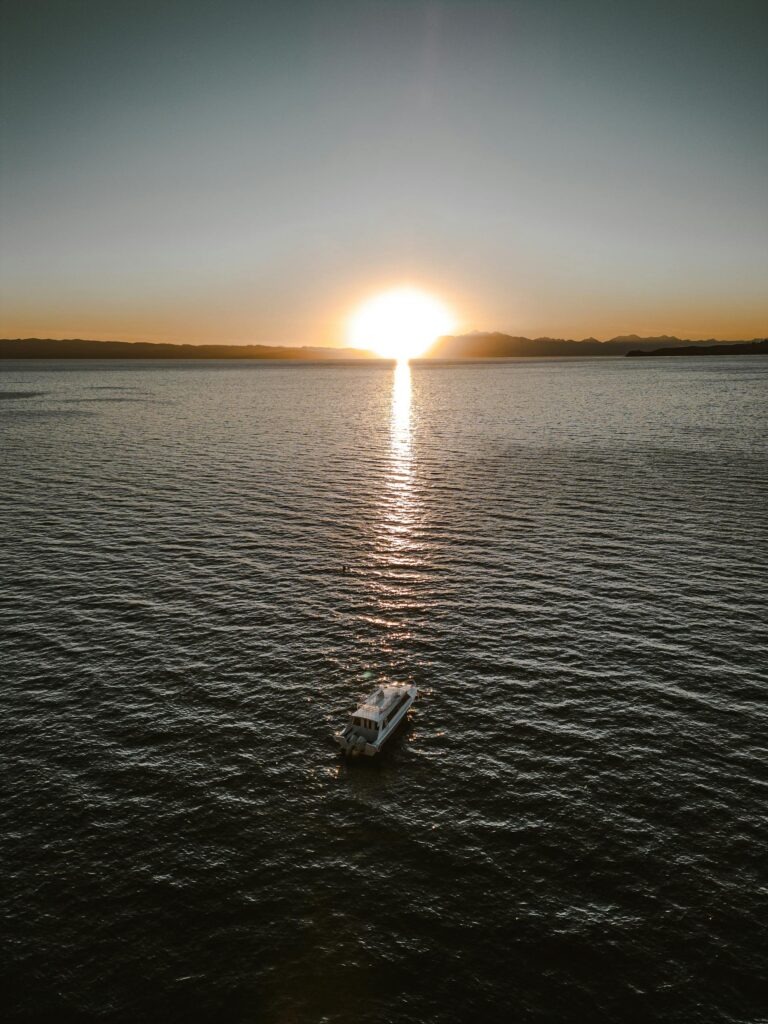
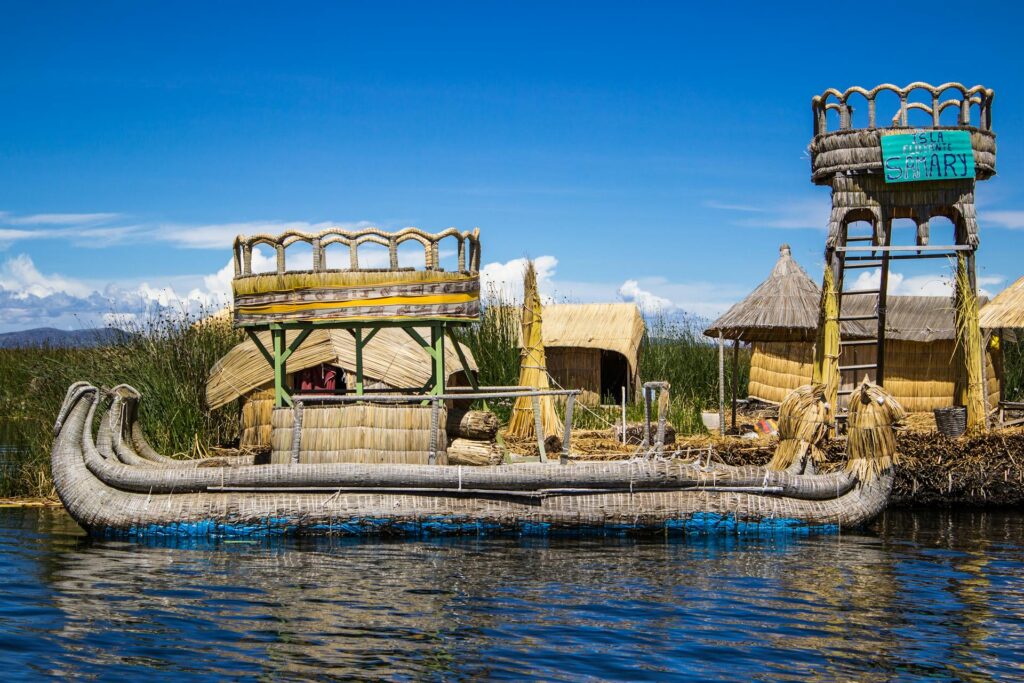
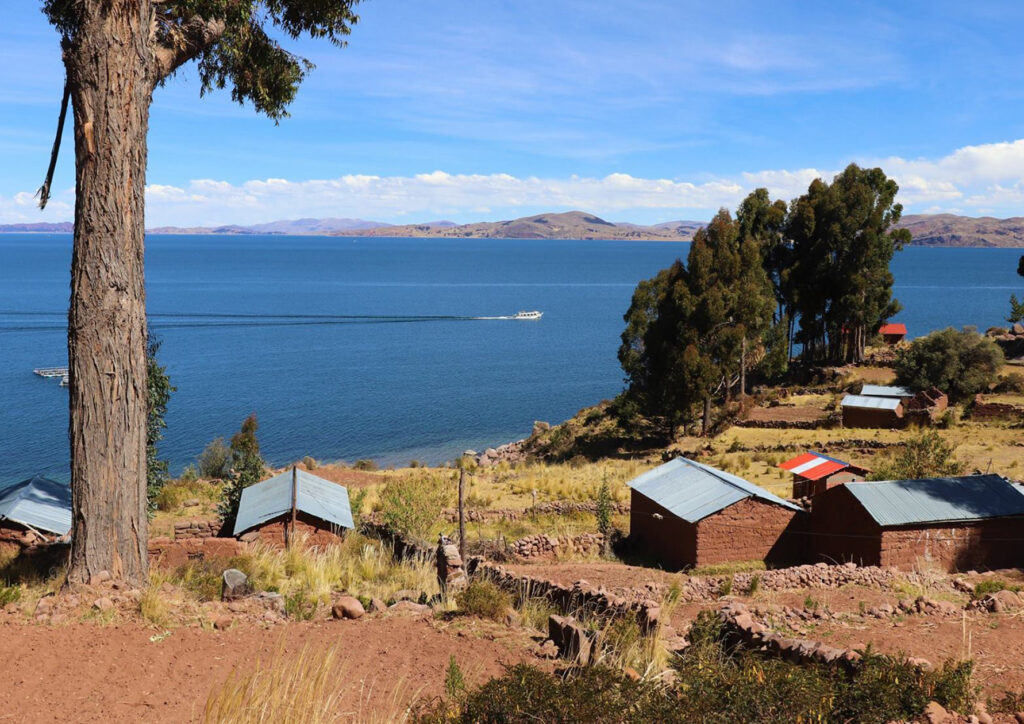
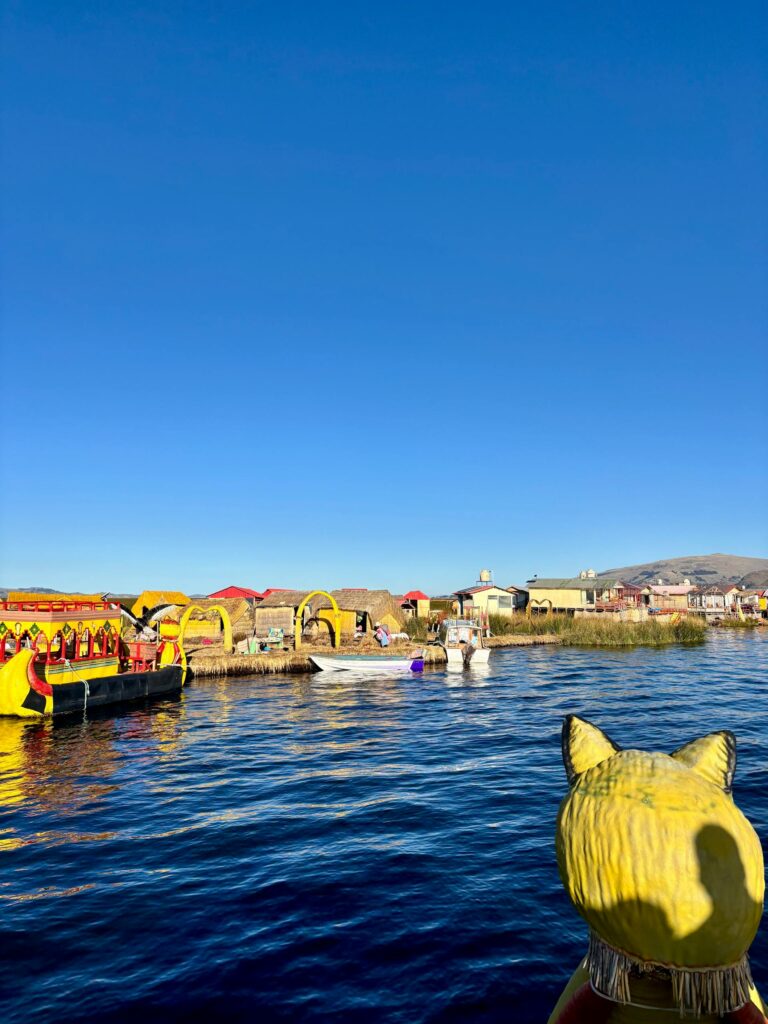
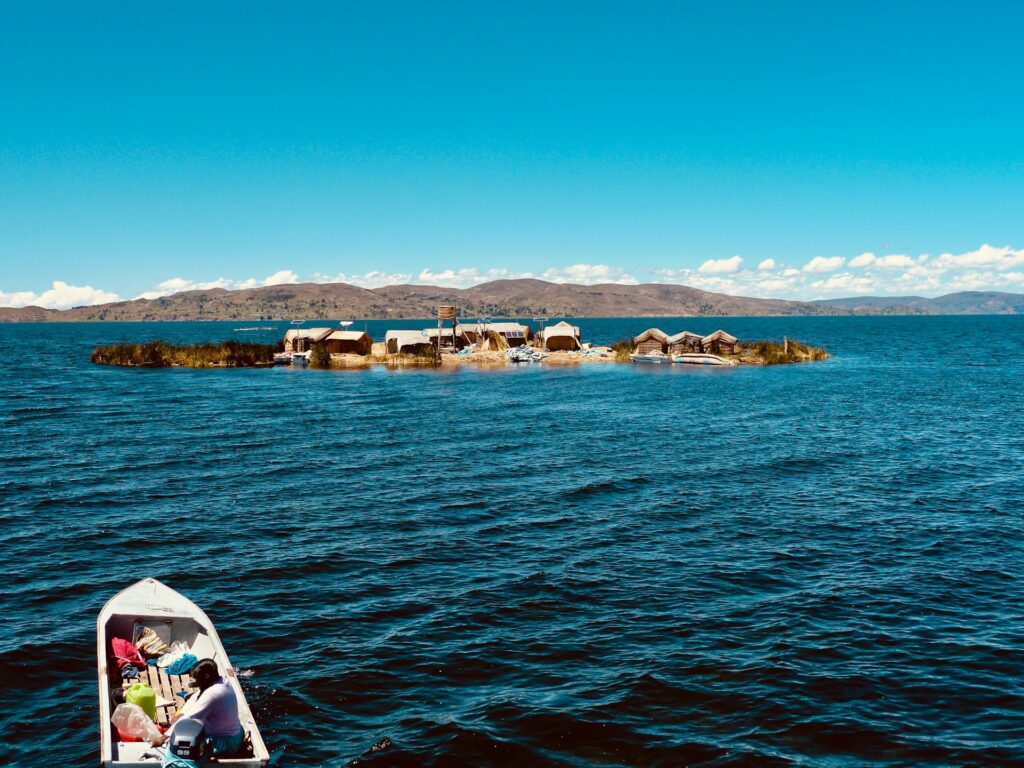
Lake Titicaca holds a central place in Andean foundational myths, most notably as the mythical birthplace of the Incas. According to Andean cosmology, Manco Cápac and Mama Ocllo emerged from its waters to found the Andean civilization.
Beyond these legends, the lake has shaped the agricultural, ritual, and social practices of local communities for centuries. Immersed in Quechua and Aymara languages, traditions, daily life, and ceremonies, you will step into one of Peru’s most sacred realms.

Inti Raymi

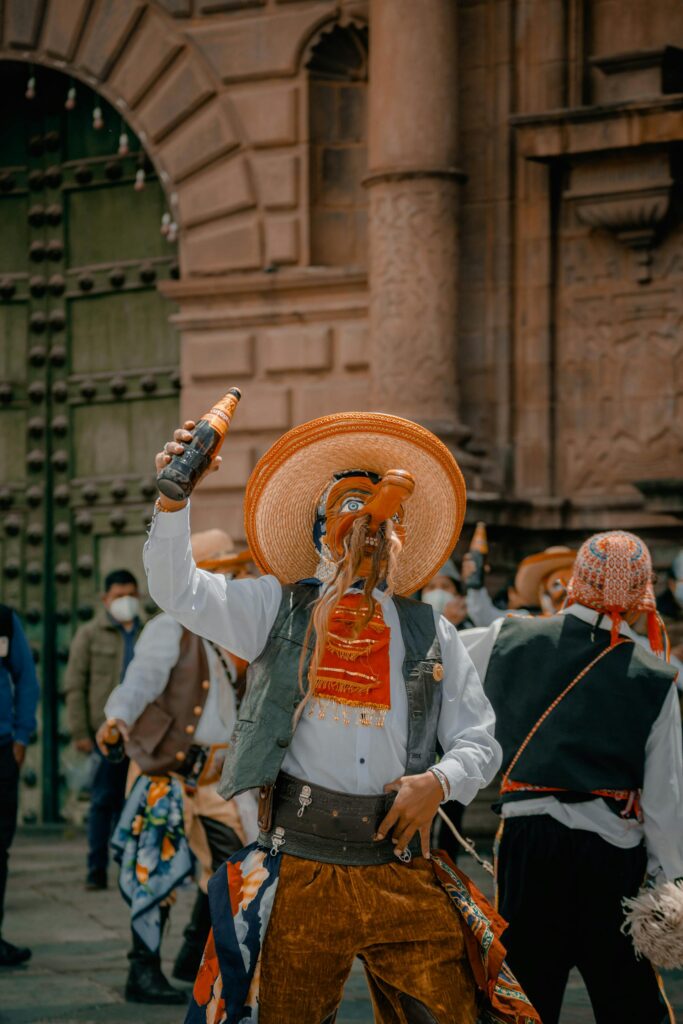
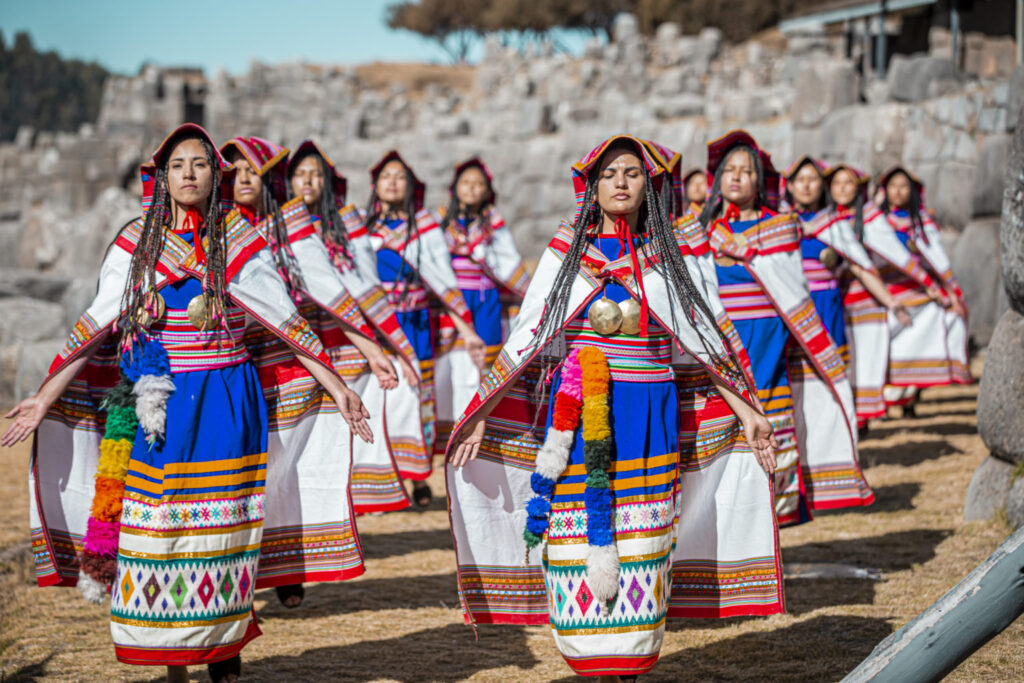
The Inti Raymi is a contemporary reenactment of the Inca Festival of the Sun, celebrated every year on June 24th, primarily in Cusco, but also in other cities throughout Peru. In Cusco, this ceremony is a major cultural and heritage event, staged across three symbolic locations: the Qoricancha, the Plaza de Armas, and finally, the archaeological site of Saqsayhuamán. The Inti Raymi marks the Andean winter solstice and pays homage to the Sun. You will witness the Inca’s invocation, alongside the vibrant dances, songs, and music performed by participants dressed in traditional attire representing the four great regions of the Inca world. A powerful and unmissable ceremony if you are staying in Cusco during the month of June.

Qoyllur Rit’i

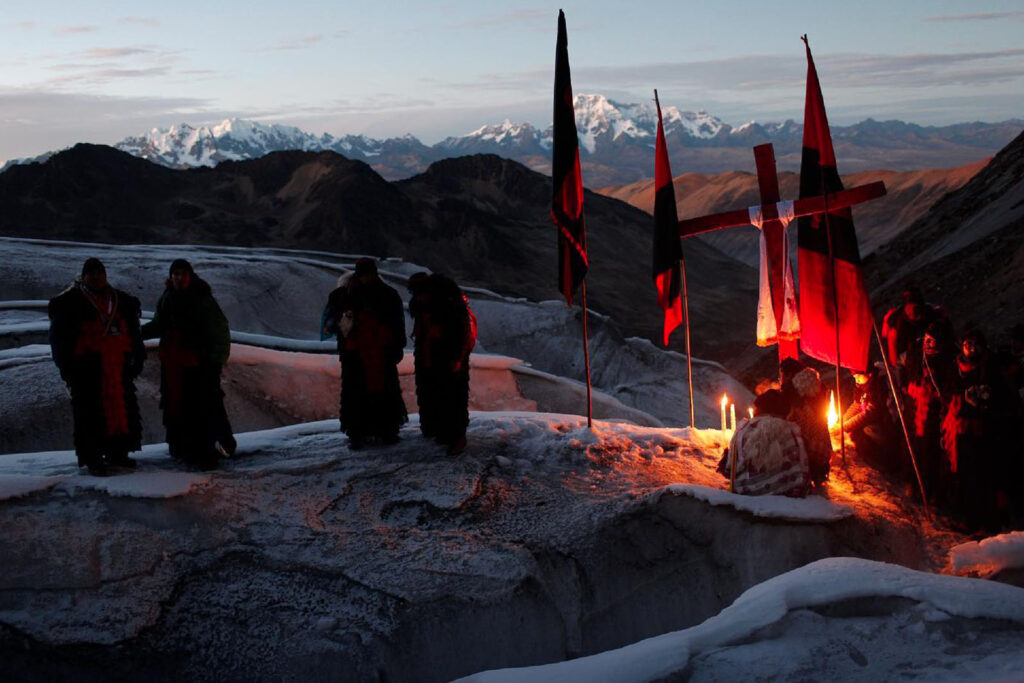
Qoyllur Rit’i is a major Andean pilgrimage, recognized as part of UNESCO’s Intangible Cultural Heritage of Humanity.
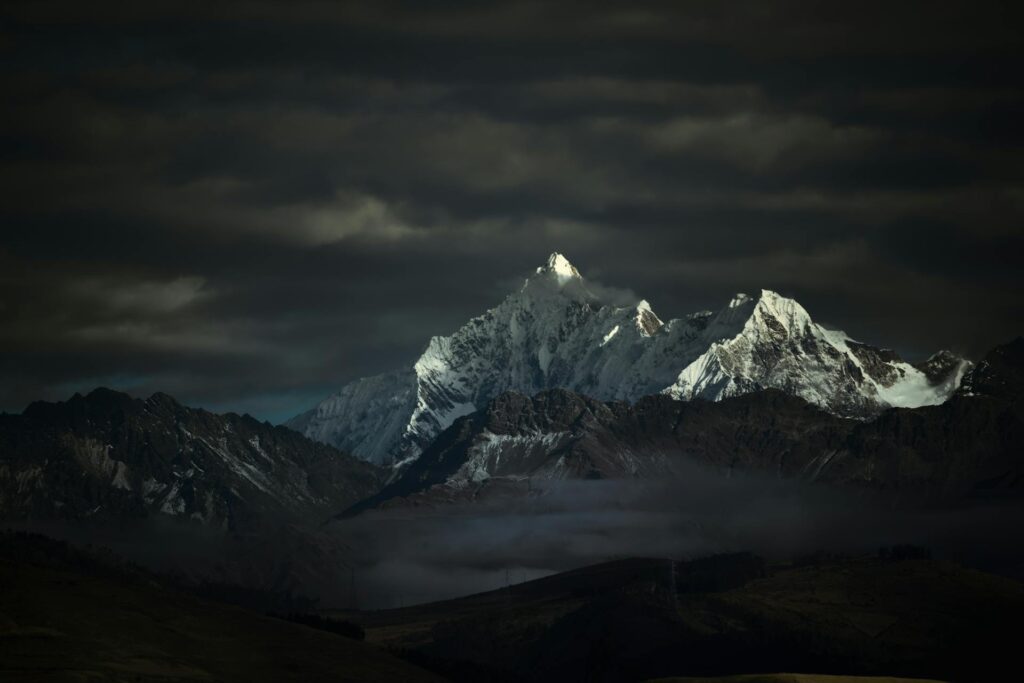
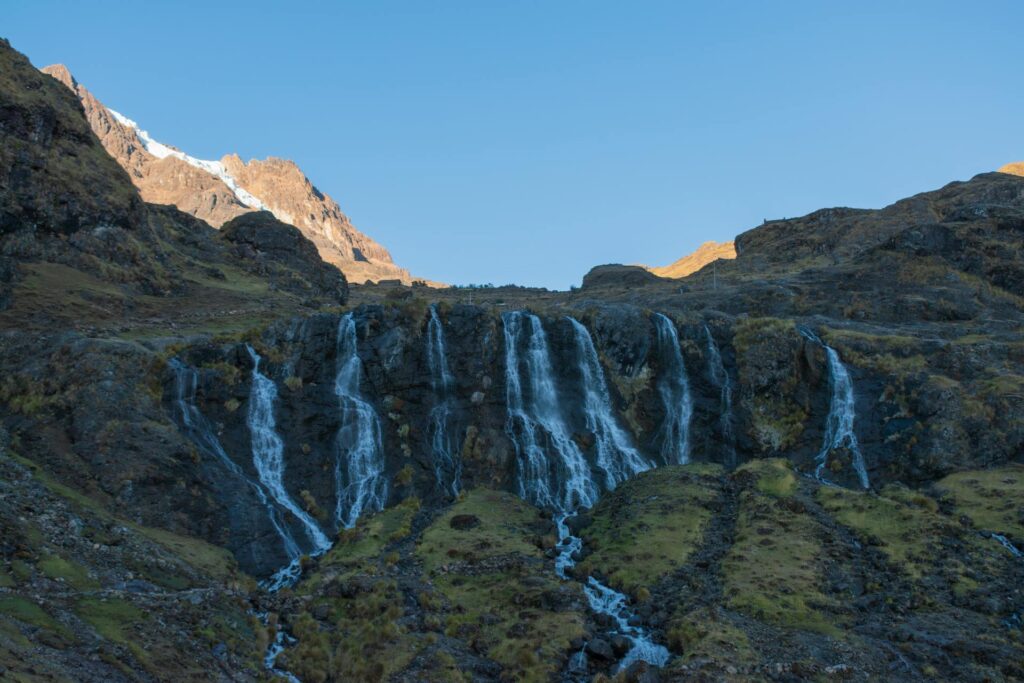
Every year, it gathers thousands of participants high in the mountains, weaving together Catholic practices and Andean traditions. You will feel the profound connection between the sacred mountains, the glaciers, and humanity. Qoyllur Rit’i is a major Andean pilgrimage, recognized as part of UNESCO’s Intangible Cultural Heritage of Humanity. Every year, it gathers thousands of participants high in the mountains, weaving together Catholic practices and Andean traditions. You will feel the profound connection between the sacred mountains, the glaciers, and humanity. Taking place in June, just before the Inti Raymi, it is a powerful moment when Andean communities come together to undertake this sacred journey.
Taking place in June, just before the Inti Raymi, it is a powerful moment when Andean communities come together to undertake this sacred journey.

Nos autres expériences au Pérou

À Tambopata comme dans le parc national du Manu, l’expérience de la jungle amazonienne s’organise autour de lodges d’une qualité irréprochable, servant de base logistique pour des sorties en bateau et des marches sur sentiers aménagés. 
Vus aurez la chance d’observer une des plus grandes variétés d’espèce animales et végétales du continent sud-américain.

Les rooftops urbains offrent une vraie pause en hauteur au cœur des grandes villes péruviennes. À Cusco, Lima ou Arequipa, prendre un pisco sour ou un chilcano en terrasse permet d’observer la ville et le quotidien des habitants. 
Sur la Plaza de Armas de Cusco, d’Arequipa ou dans les quartiers de Miraflores et Barranco à Lima, vous trouverez votre bar et votre cocktail fétiche. 

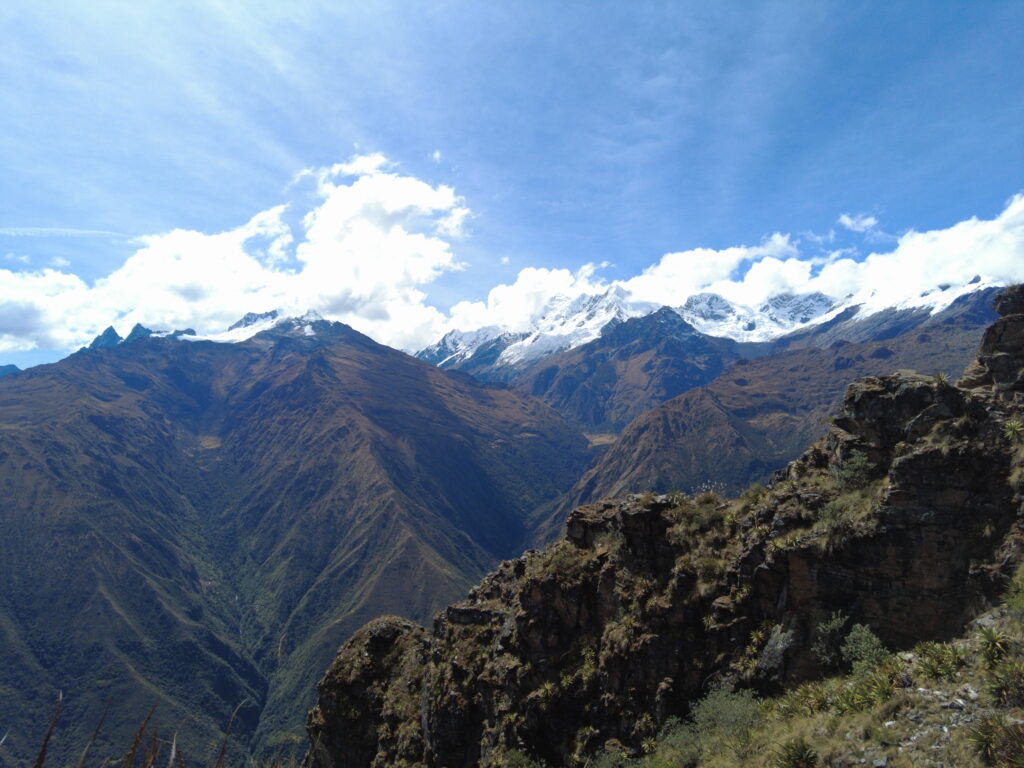
Ces grands treks traversent certaines des chaînes de montagnes les plus remarquables du pays. Chaque trek est une aventure à part entière qui vous fera passer par des paysages inoubliables.

Les treks de Vilcabamba, Lares, Choquequirao et Huchuy Qosqo offrent des approches alternatives de la région de Machu Picchu, en s’écartant des itinéraires les plus fréquentés comme le Chemin de l’Inca. Ils traversent des territoires andins variés, entre haute montagne, vallées agricoles et zones plus humides.

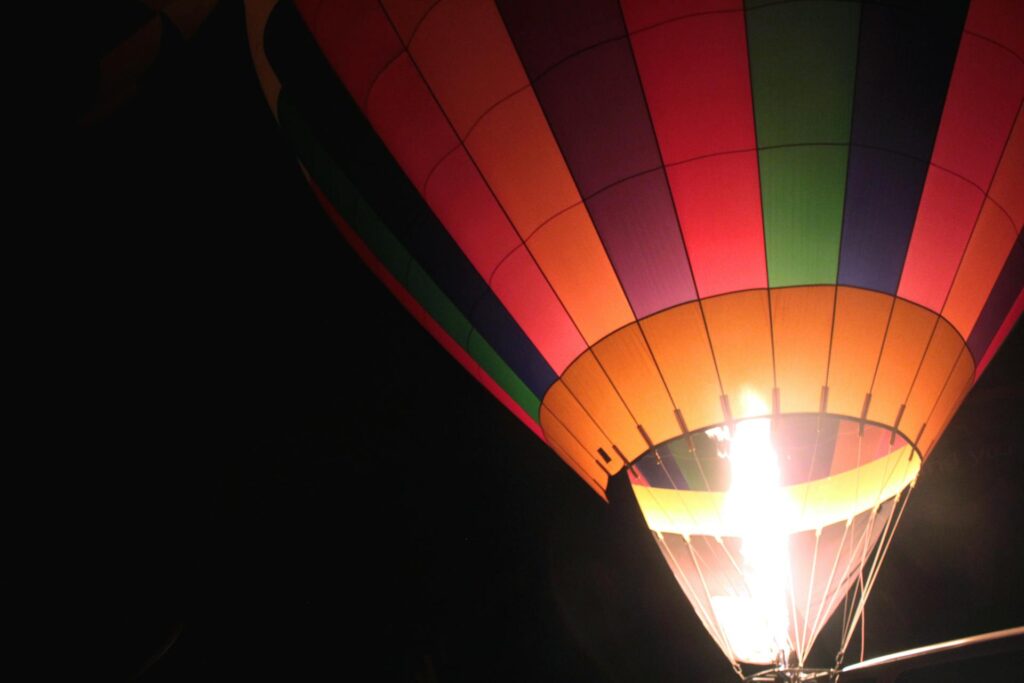
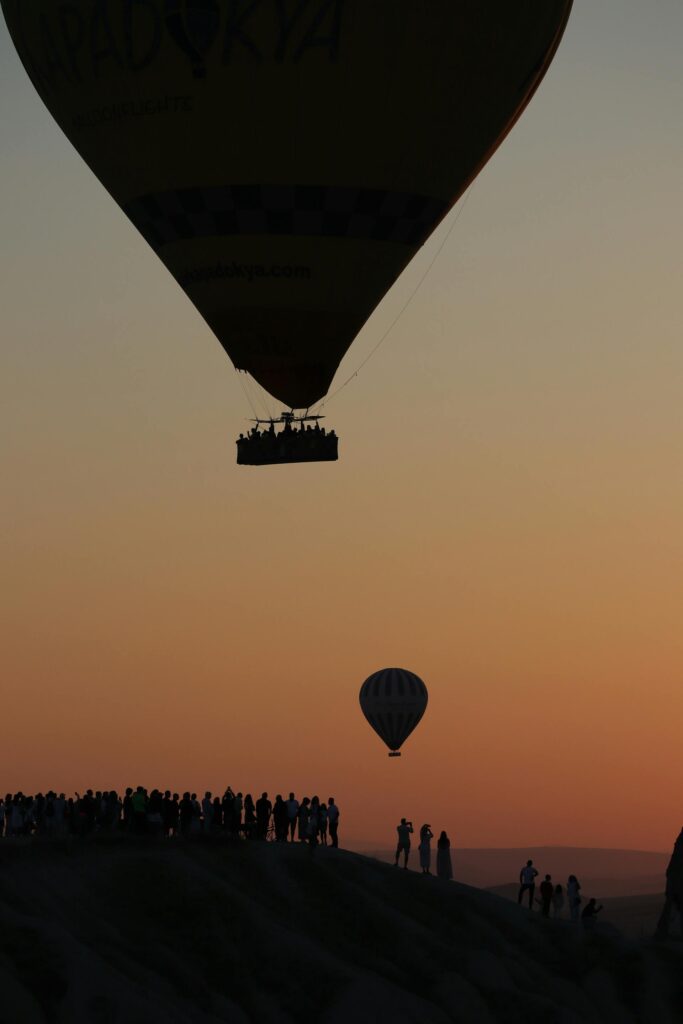
Vous prendrez de la hauteur et admirerez la Vallée Sacrée, encore très peu vu depuis cet angle. 
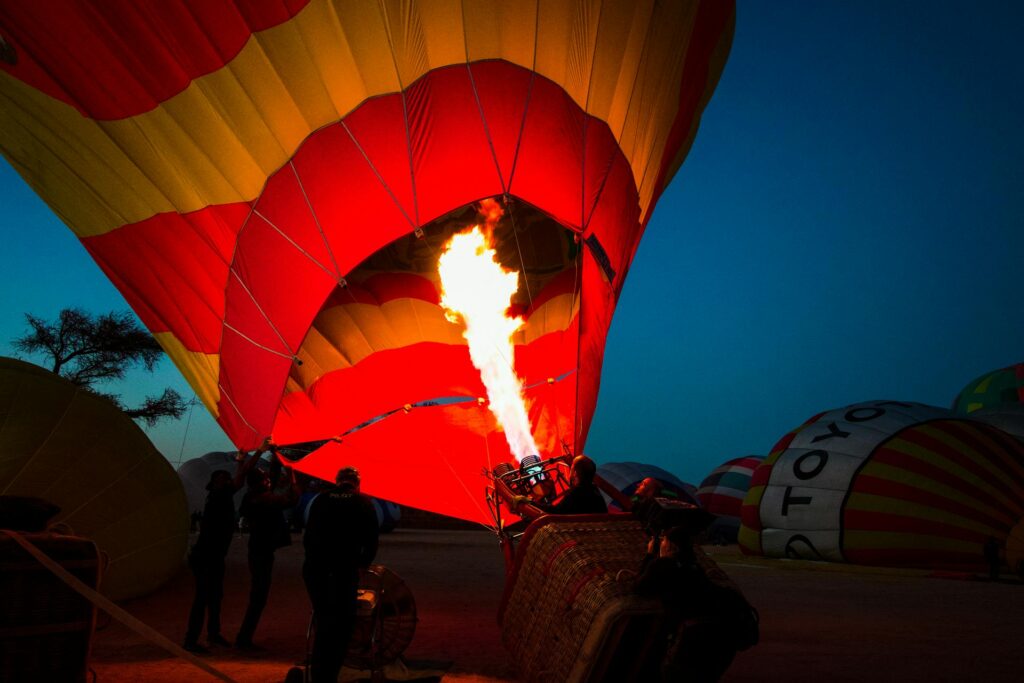
Le relief, les vallées et les villages s’offrent à vous, depuis votre nacelle. 

Vivez des expériences mystérieuses uniques au monde à travers des paysages remplis d’énergie. 
Entre les sites sacrés dans la région de Cusco et les cérémonies qui permettent de faire un lien entre la Terre-Mère, l’individu et la spiritualité, vous découvrirez un monde que peu connaissent. 

A travers les expériences culinaires, vous pourrez en apprendre un peu plus sur la culture péruvienne. Chaque plat à une histoire et chaque personne que vous croiserez, que ce soit sur les marchés ou dans les cuisines, auront tant d’anecdotes à vous raconter.
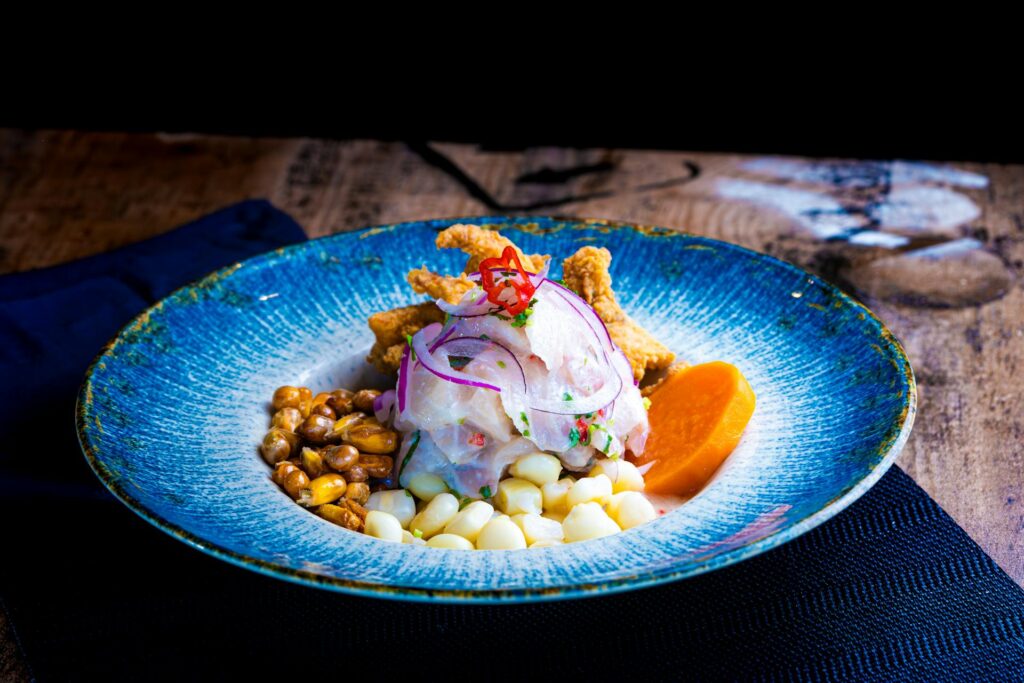
Le partage de connaissance, de saveurs et de techniques parfois centenaires, vous feront vivre un séjour bien plus intéressant que de simples visites. 

Vivez des expériences mystérieuses uniques au monde à travers des paysages remplis d’énergie. 
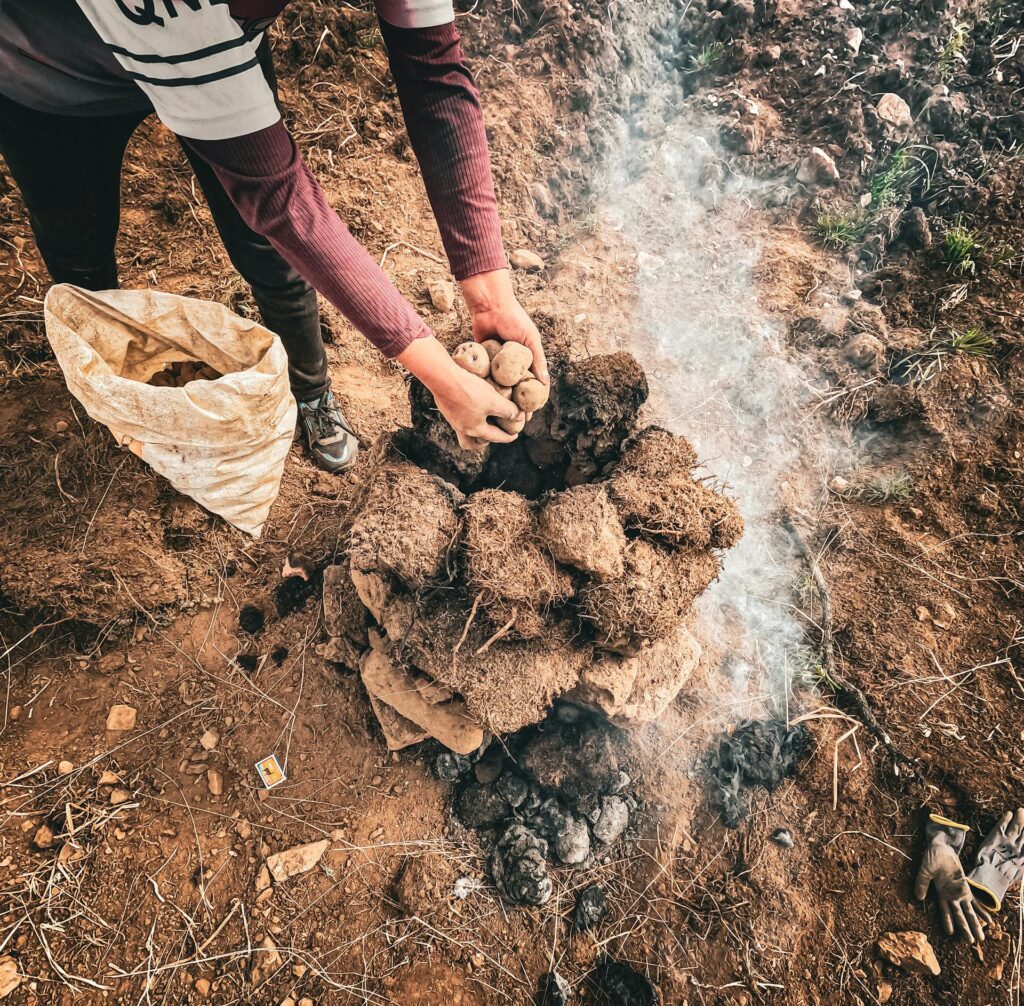
Entre les sites sacrés dans la région de Cusco et les cérémonies qui permettent de faire un lien entre la Terre-Mère, l’individu et la spiritualité, vous découvrirez un monde que peu connaissent. 
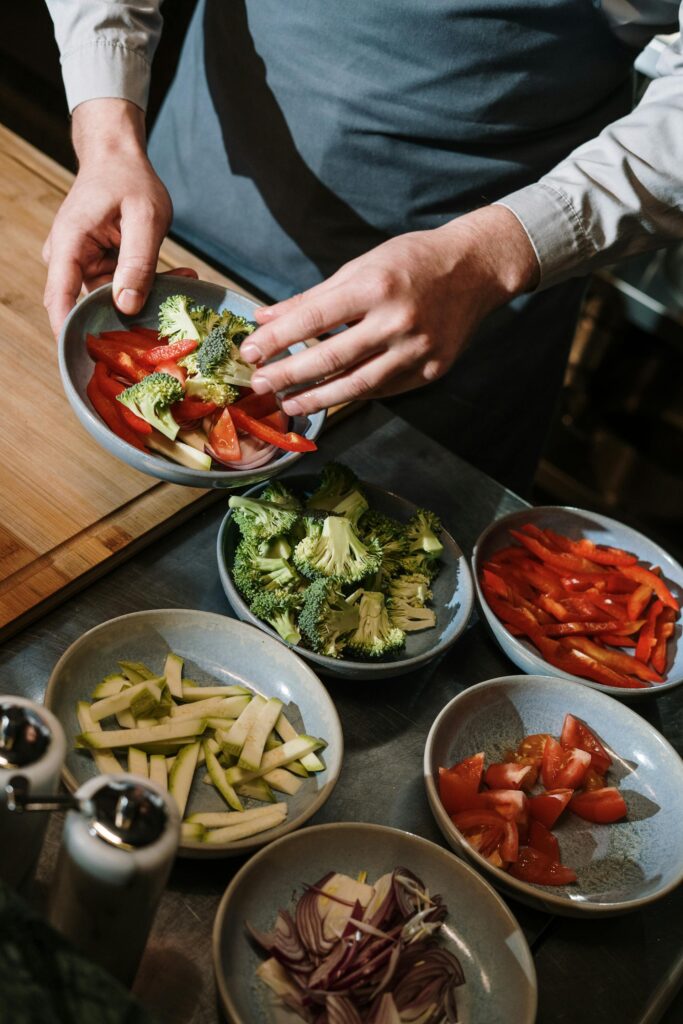
Les routes du café et du cacao en Amazonie péruvienne traversent les régions andines de l’est, où ces cultures se sont développées entre Andes et forêt.  
À Quillabamba et Chanchamayo, ces expériences vous permettent de comprendre depuis la cueillette jusqu’à la dégustation, les conditions de production, les étapes de transformation et comment les habitants vivent de cette agriculture.  
Les visites se font grâce aux familles locales exploitantes, qui vous montrent leur savoir-faire et leur vie quotidienne.

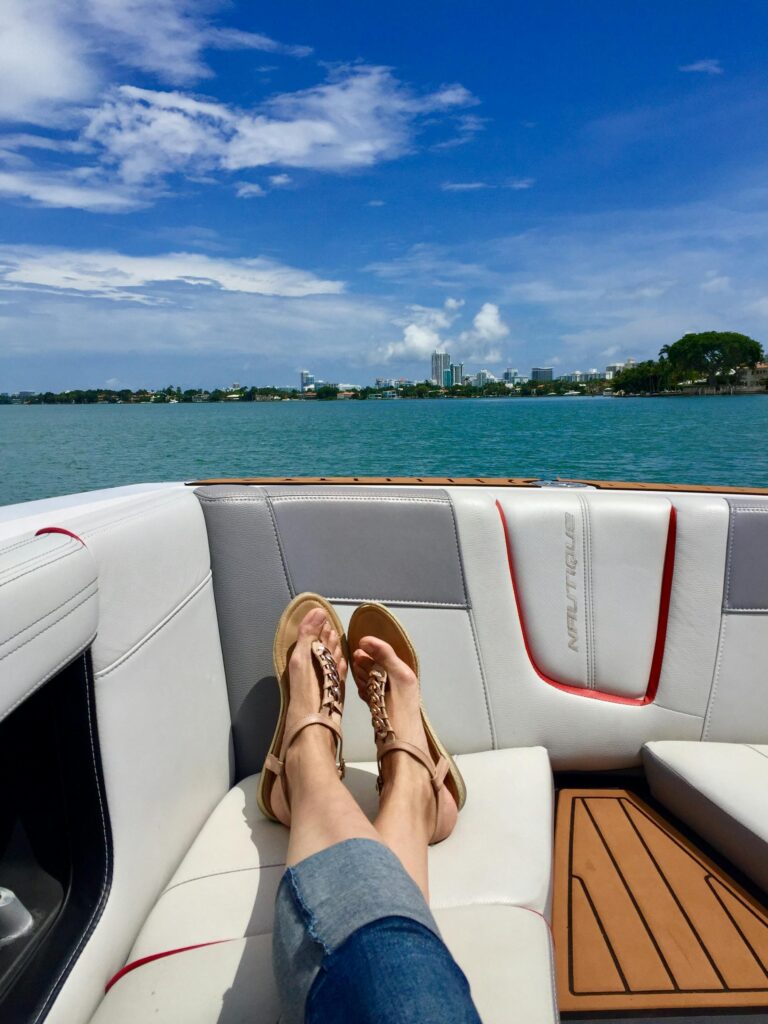
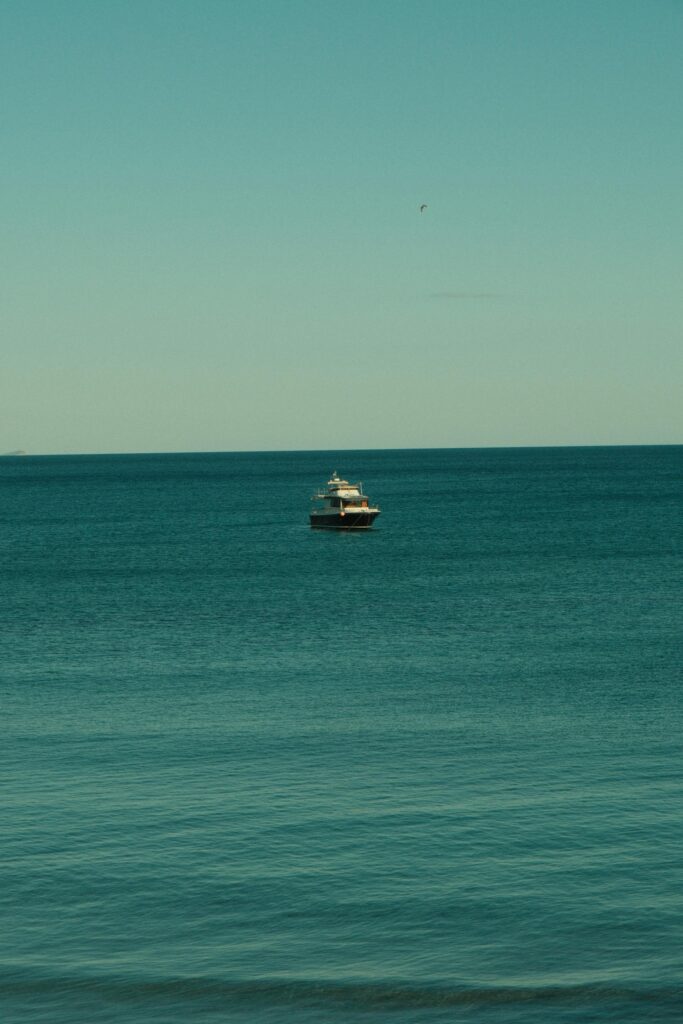
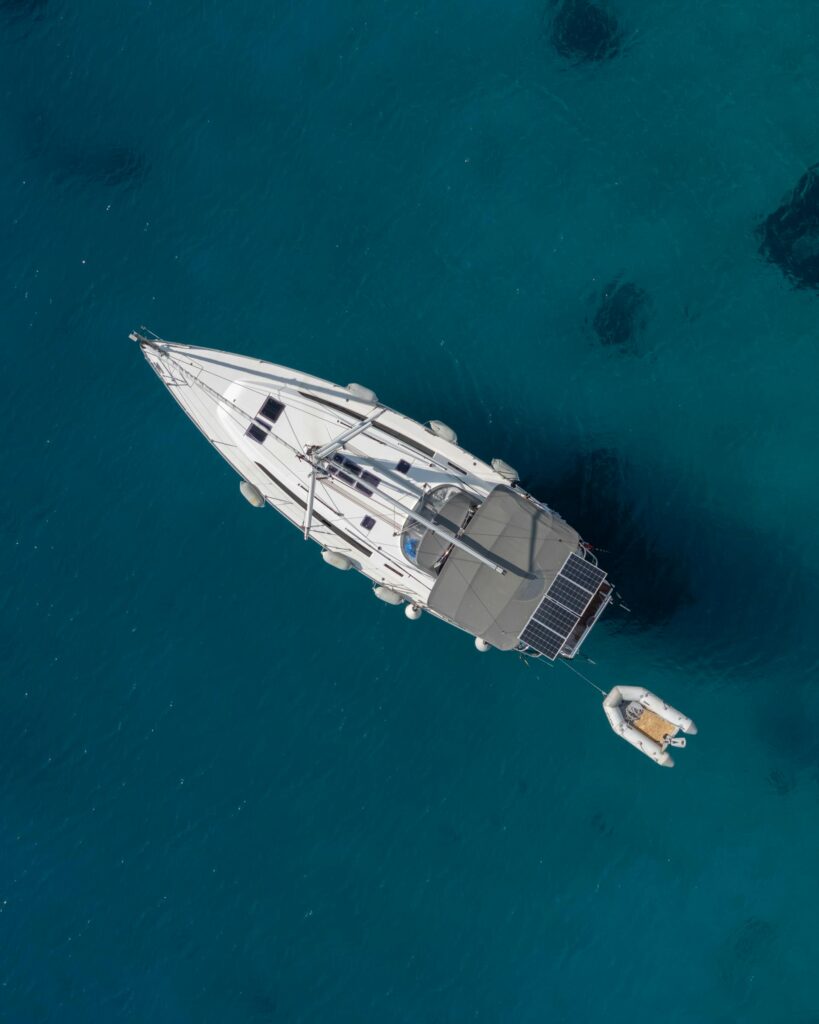
Vous découvrirez la côte Nord du Pérou, d’une manière différente et exclusive grâce à nos sorties en yacht ou lors d’une croisière côtière. 
Le littoral dMáncora, les animaux marins et la tranquillité des flots donneront une autre saveur à votre voyage au Pérou. 
Après avoir visité les andes, marché longuement lors de treks, profitez de temps de baignades ou de snorkeling dans un climar chaleureux.

Partager
Découvrez l’Amérique du Sud avec Pasión Andina